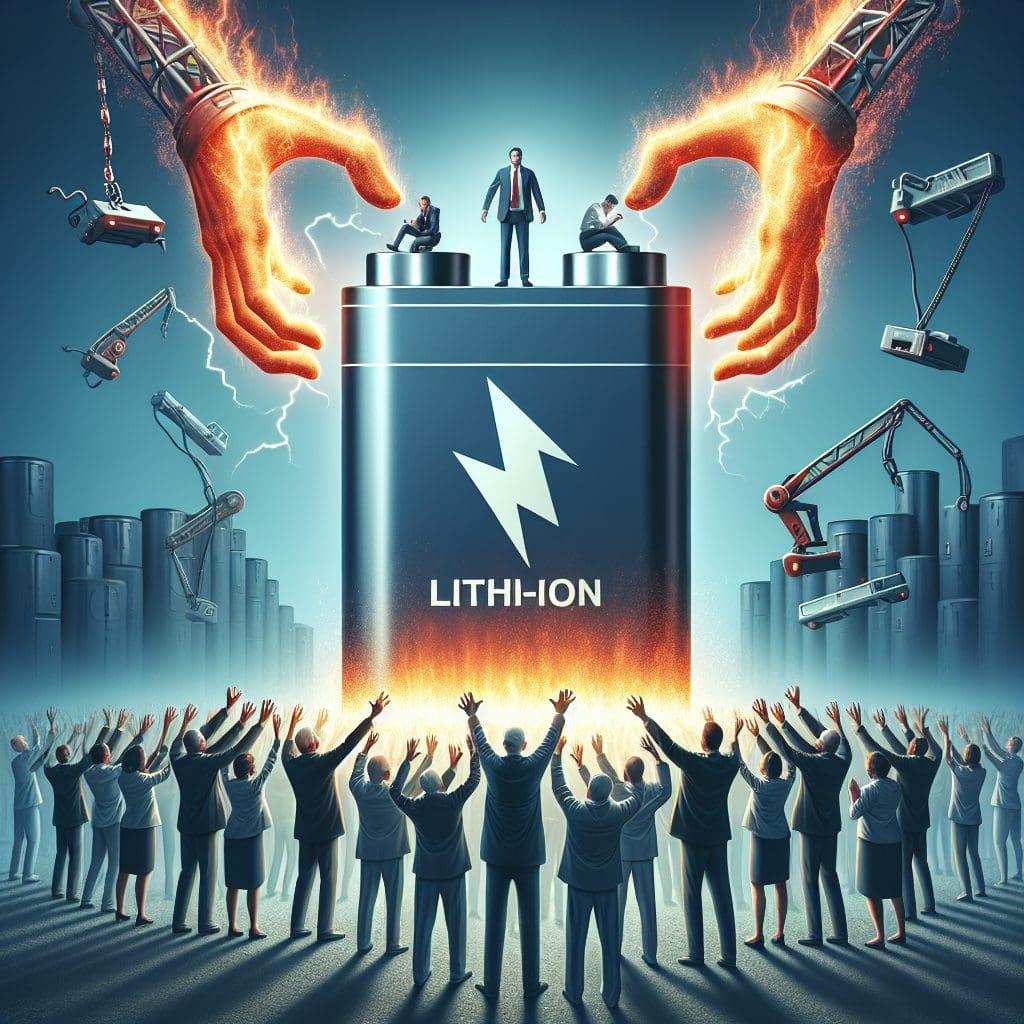

As the demand for electric vehicles (EVs), renewable energy storage, and portable electronics surges, so does the reliance on lithium-ion batteries. While these batteries have revolutionized technology and transportation, experts are increasingly sounding the alarm about the potential risks associated with their production and use. The volatile nature of lithium-ion batteries, coupled with their growing market presence, raises significant concerns regarding safety, environmental impact, and supply chain sustainability.
One of the primary risks associated with lithium-ion batteries is fire and explosion potential. These batteries can experience thermal runaway, a phenomenon where an increase in temperature leads to self-heating, resulting in combustion. Incidents involving battery fires, especially in electric vehicles, have been reported, prompting calls for stricter safety regulations and improved battery management systems. Experts argue that without comprehensive safety protocols in place, the growing number of EVs on the road could lead to more frequent and severe incidents.
Moreover, the production of lithium-ion batteries poses environmental hazards. The extraction of lithium, cobalt, and nickel — crucial components of these batteries — often involves mining practices that can disrupt ecosystems, deplete water resources, and contribute to landscape degradation. Areas like South America’s lithium triangle and parts of Africa need stringent regulations to mitigate these effects. As demand grows, sustainable sourcing and recycling practices become crucial to minimize environmental damage.
Additionally, the supply chain for lithium-ion batteries is fraught with geopolitical risks. A significant portion of the world’s lithium and cobalt is extracted from regions with unstable political climates. This can lead to resource scarcity and economic volatility, making it vital for governments and companies to diversify their supply sources. Experts warn that heavy reliance on a limited number of countries for raw materials can create bottlenecks and increase prices, ultimately affecting the affordability of technologies dependent on these batteries.
Recycling presents another challenge and opportunity in managing the lifecycle of lithium-ion batteries. While advancements are being made in battery recycling technologies, many batteries still end up in landfills, where they can leach harmful substances into the environment. Increased investment in recycling infrastructure and technology is essential to create a circular economy for battery materials.
In conclusion, while lithium-ion batteries are pivotal for advancing clean technologies, the associated risks cannot be overlooked. Experts emphasize the need for improved safety measures, sustainable sourcing practices, and effective recycling solutions. Balancing innovation with responsibility will be crucial in ensuring that the growth of the lithium-ion battery market does not come at the cost of safety and environmental integrity.
For more details and the full reference, visit the source link below: