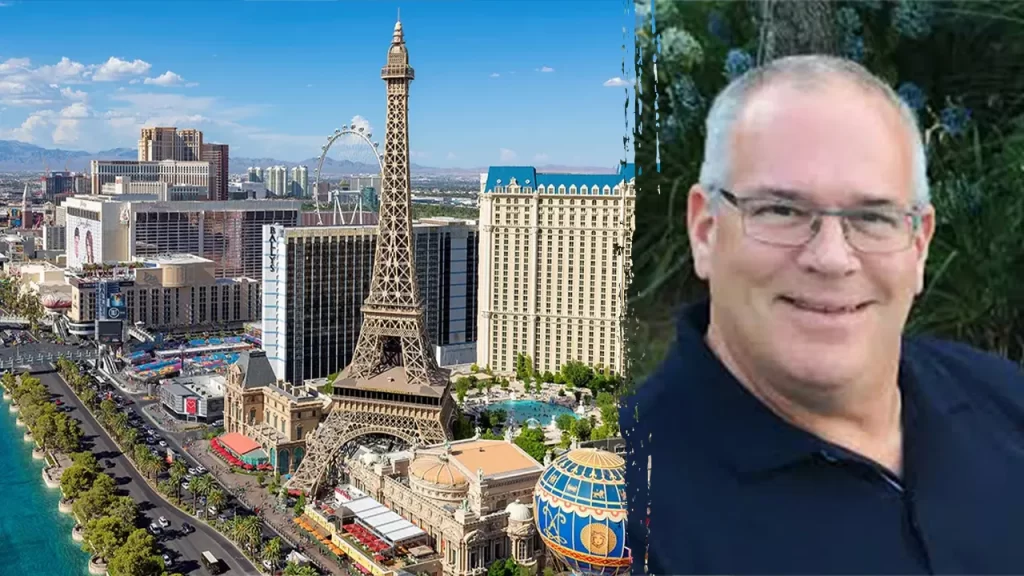

Family Sues Caesars Over Veteran’s Death After Medical Crisis
Introduction
The tragic death of a veteran at a Caesars Entertainment property has sparked outrage and legal action from his family. The incident raises important questions about the responsibilities of large corporations towards their guests, particularly when it involves medical emergencies. This article delves into the specifics of the case, examining the circumstances surrounding the veteran’s death, the legal implications, and the broader issues related to guest health and safety in hospitality environments.
Background: The Incident
In early October 2023, a veteran suffered a medical emergency while at a Caesars property. Witnesses reported that the individual collapsed, prompting immediate concerns from friends and hotel staff. Despite their attempts to call 911 and provide assistance, responses were delayed, leading to tragic consequences. The family believes that inadequate medical response and negligence on the part of Caesars contributed significantly to the veteran’s untimely death.
The Family’s Perspective
The family of the deceased veteran is devastated. They describe him not only as a hero who served his country but also as a loving family member whose sudden departure has left a massive void. In their lawsuit against Caesars, they argue that the hotel and casino had a duty of care to respond appropriately to medical emergencies. They assert that the lack of timely medical assistance constituted negligence, leading to their loved one’s unnecessary suffering and eventual death.
Legal Implications
-
Duty of Care: In legal terms, businesses have a “duty of care” to their guests. This means they are responsible for ensuring a safe environment and responding adequately in emergencies. The family’s lawsuit centers on this principle, asserting that Caesars failed to meet its obligations.
-
Negligence: The lawsuit will likely focus on proving negligence. The family must demonstrate that Caesars did not act in a reasonable manner. This involves examining the response time of staff, the availability of medical resources, and whether protocols were followed in emergencies.
-
Compensation Claims: The family seeks compensation for emotional distress, funeral expenses, and loss of companionship. The damages will depend on the court’s findings regarding Caesars’ liability and the overall circumstances surrounding the incident.
The Broader Conversation: Guest Safety in Hospitality
This unfortunate event does not exist in isolation; it highlights a growing concern about guest safety in large hotel and casino environments. The hospitality industry is often scrutinized for its emergency protocols and response times, especially given the diverse populations they serve, including elderly guests and individuals with pre-existing medical conditions.
Importance of Emergency Preparedness
Property owners and management companies must prioritize emergency preparedness. This entails:
-
Training Staff: Employees should undergo regular training in first aid and CPR. They should be well-versed in the specific emergency procedures for their property.
-
Medical Resource Availability: Ensuring that properties are equipped with defibrillators and other essential medical supplies can be life-saving. The presence of on-site medical personnel during peak hours can further aid in swift response.
-
Communication Protocols: Staff should have clear protocols for quickly contacting emergency services. Also, their ability to direct first responders to the scene efficiently can significantly affect outcomes.
Legal Precedents and Industry Standards
While this case is unique, it prompts consideration of previous legal actions against hospitality companies. Lawsuits involving negligence in public spaces have resulted in increased scrutiny and changes in industry standards. Case law generally shows that victims can successfully claim damages if they can prove a lack of reasonable care by the property in question.
Public Reaction
The public reaction to the incident has been overwhelmingly supportive of the family. Social media has exploded with condolences and calls for accountability from Caesars. Many argue that the casino giant, known for its profits and success, must take greater responsibility for the safety of its guests. This incident may catalyze a larger movement advocating for better emergency response protocols across casinos and large hotels nationwide.
Caesars Entertainment’s Response
As of now, Caesars Entertainment has yet to comment extensively on the legal action, likely awaiting the official filing of the lawsuit. Their response will be critical in shaping public perception and determining the company’s future liability.
Corporate Social Responsibility
In the wake of such incidents, there are often calls for companies to adopt a more robust Corporate Social Responsibility (CSR) framework. This involves not only addressing issues of guest safety but also fostering a culture of care and community engagement. Companies that excel in CSR often benefit from improved reputations, customer loyalty, and even decreased legal risks.
Conclusion
The tragic death of a veteran at a Caesars property has brought attention not only to the specific circumstances of this case but also to broader issues of guest safety and corporate responsibility in the hospitality industry. As the family takes legal action, the implications of this case will likely reverberate through the sector, prompting a reevaluation of safety protocols and emergency readiness.
The outcome of the lawsuit could set important precedents, pushing for better standards across the industry. Ultimately, the hope is that changes will be made to prevent similar tragedies in the future. In the memory of the fallen veteran, the family’s quest for justice may serve as a catalyst for meaningful change in hospitality and guest safety practices.
Call to Action
As we wait for developments in this case, it is essential that both guests and industry players advocate for better safety standards in hospitality. Contact your local representatives and engage in dialogue about safe environments for all individuals, especially those who are vulnerable. Everyone deserves the right to enjoy their time in public spaces with the assurance that their well-being is being prioritized.