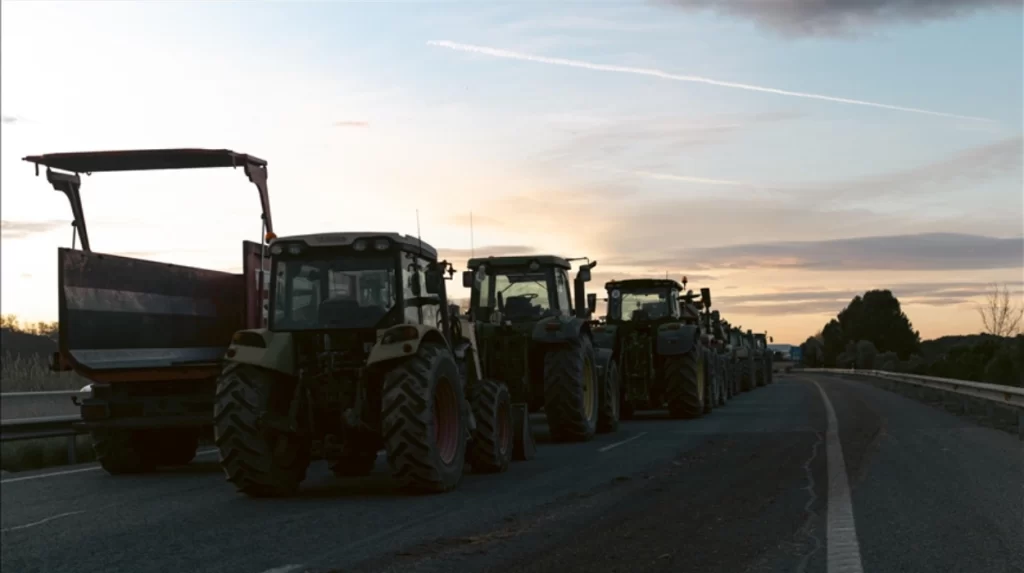

Farmers across Europe have taken to the streets, blocking roads and staging protests in response to the controversial Mercosur trade deal between the European Union and South American countries. This massive agreement, aimed at enhancing trade and economic ties, has drawn significant criticism from European agricultural communities who feel that it jeopardizes their livelihoods and undercuts local markets.
The crux of farmers’ discontent lies in the perceived risks associated with increased agricultural imports from Brazil, Argentina, Paraguay, and Uruguay. They fear that the deal will flood the European market with cheaper agricultural products, particularly beef, soy, and sugar, which could drive down prices and make it challenging for local farmers to compete. Many argue that the standards for food production in South America often do not match those in Europe, raising concerns over food safety, environmental sustainability, and ethical farming practices.
In France, dairy and livestock farmers have been at the forefront of these protests, citing that the importation of lower-cost meat could undermine their ability to maintain prices and quality. Farmers have blocked major highways, using tractors to create roadblocks, effectively halting traffic and drawing attention to their plight. Similar protests have erupted in countries like Spain, Germany, and Italy, showcasing a collective anger over what is perceived as a threat to their way of life.
The protests underline a broader unease about globalization and its impact on local economies. For many farmers, the deal represents not just economic hardship but an existential threat to their agricultural heritage and cultural identity. The emotional weight of this issue cannot be underestimated; for many, farming is not only a profession but a way of life passed down through generations.
In response to the backlash, EU leaders have pledged to ensure that the deal includes safeguards for local farmers. Negotiations are ongoing, but many farmers remain skeptical and demand more robust measures to protect their industry. They argue that any benefits of increased trade cannot come at the expense of their farms and communities.
The Mercosur deal situation highlights a significant tension in contemporary society: the balance between free trade and local agricultural practices. As farmers continue their demonstrations, they are calling not just for reconsideration of the trade agreement but for a reevaluation of how trade policies are shaped in a globalized world—one that must prioritize local economic and cultural sustainability alongside international commerce. The outcome of this situation will likely have lasting implications for agricultural policy in Europe and further ahead.
For more details and the full reference, visit the source link below: