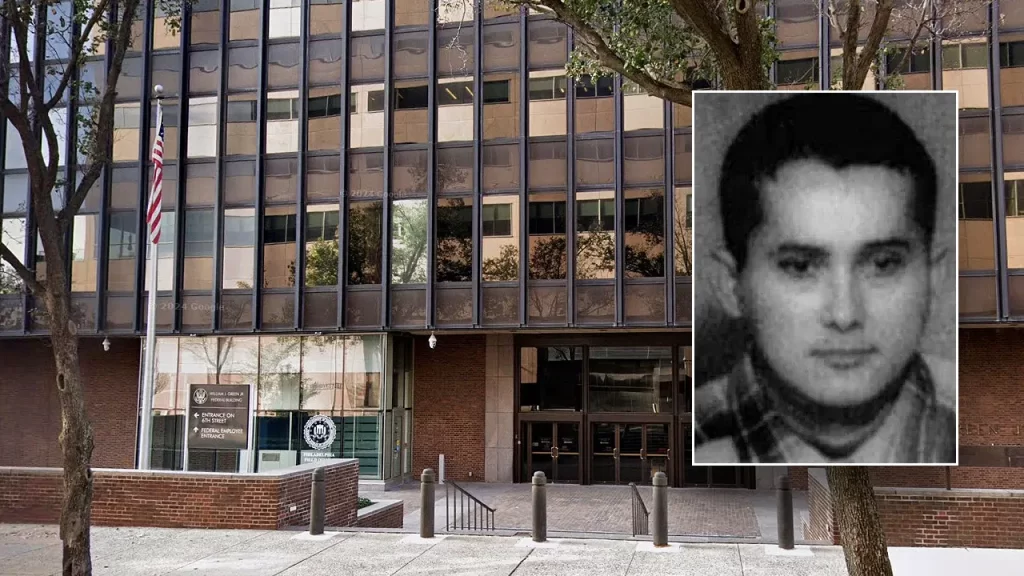

FBI Arrests Alexis Flores in Connection with 2000 Murder of 5-Year-Old Philadelphia Girl
In a significant breakthrough, the Federal Bureau of Investigation (FBI) arrested Alexis Flores in Honduras, bringing closure to a heartbreaking case from 2000—the murder of a 5-year-old girl in Philadelphia. This arrest not only reignites a tragic chapter in US criminal history but also highlights the tireless efforts of law enforcement agencies in solving cold cases involving heinous crimes against children.
Background of the Case
In April 2000, the city of Philadelphia was rocked by the untimely death of 5-year-old Iriana DeJesus. She went missing, igniting a frantic search that culminated in the discovery of her body days later. The tragic incident sent shockwaves through the local community, raising alarm about child safety and the disturbing reality of predatory crimes.
The Investigative Journey
The hunt for Iriana’s killer began immediately, with law enforcement conducting extensive interviews, canvassing neighborhoods, and engaging the community in the search for answers. The investigation took a turn when authorities revealed that Iriana had been abducted shortly before her body was discovered. The initial pursuit of leads was challenging, as witness testimonies varied and no solid suspects emerged.
Key Evidence and Suspect Identification
The investigation faced many hurdles; however, significant evidence began to surface. Amidst the trails of conflicting information, authorities pointed to a suspect—Alexis Flores. His prior offenses and modus operandi drew the attention of investigators. In 2000, Flores had been visiting Philadelphia, and investigators believed he may have been involved in the abduction and murder of Iriana.
The Arrest
After years on the run and subsequent placement on the FBI’s Ten Most Wanted list, Alexis Flores’ arrest finally came to fruition in June 2023 in Honduras. Following a tip-off and collaboration with local law enforcement, FBI agents apprehended Flores, who had been living under an alias while evading the law. His capture marks a poignant moment for Iriana DeJesus’s family and has provided them with renewed hope for justice.
The Role of International Collaboration
This arrest underscores the importance of cross-border cooperation among law enforcement agencies. The coordination between the FBI and Honduran authorities demonstrates the global commitment to pursuing justice, regardless of geographical barriers. The cooperation serves as a reminder that justice can transcend borders and that criminals cannot escape accountability.
Impact on the Community
The murder of Iriana DeJesus had a profound impact on the Philadelphia community, raising awareness around child safety and the need for preventive measures to protect vulnerable individuals. In the wake of her tragic death, many initiatives sprang forth to improve child safety, educating parents and communities on recognizing potential dangers.
Psychological Impact on Families
The prolonged absence of closure for Iriana’s family has been profound. For families affected by tragedies of this magnitude, the emotional toll can be unbearable. The arrest of Flores has reignited discussions about the psychological ramifications on victims’ families, shedding light on the long-lasting effects of such unspeakable crimes.
Lessons Learned: Prevention and Awareness
Iriana’s case serves as a stark reminder of the vulnerabilities children face. In the years following her murder, various advocacy groups emerged to educate parents, children, and schools about safety measures. This preventive approach aims not only to protect children but to foster a community where individuals look out for each other.
Community Outreach Programs
Collaborative community outreach programs now emphasize vigilance and proactive measures to prevent child abductions. Educational campaigns targeting both parents and children are paramount. Workshops, seminars, and community events provide interactive platforms that equip families with tools and strategies for enhancing child safety.
Media Coverage and Public Involvement
The arrest of Alexis Flores brought renewed media attention to the case, reminding the public of the importance of community engagement in solving crimes. Increased awareness encourages citizens to remain vigilant and report suspicious activities. Social media and local news outlets play crucial roles in disseminating information effectively, fostering a community-oriented approach to crime prevention.
Advocacy for Cold Cases
This case highlights the importance of not letting cold cases fade into obscurity. Advocacy groups and organizations dedicated to justice for victims help ensure that unsolved cases receive the attention they deserve. The fight for justice goes beyond the individual case, calling for structural changes that promote detailed investigations and dedicated resources for unsolved crimes.
The Next Steps: Legal Proceedings
Following his arrest in Honduras, Alexis Flores was extradited back to the United States, where he faces multiple charges, including murder and kidnapping. The legal proceedings will likely attract considerable media interest, drawing attention to the intricacies of the judicial process in such a high-profile case.
Anticipated Trial and Its Implications
The upcoming trial will not only address the specifics of the crime but also explore the broader implications for child safety laws and prevention strategies. The courtroom becomes a platform for advocacy, further supporting initiatives designed to better protect children.
Conclusion
The arrest of Alexis Flores represents a watershed moment in the pursuit of justice for Iriana DeJesus and her family. It serves as a stark reminder that while time may pass, the pursuit of accountability remains unwavering. Law enforcement’s tenacity ensures that justice prevails, and it highlights a collective commitment to a future where children can feel safe in their communities.
As the nation watches the legal proceedings unfold, this case brings forth vital conversations about child safety, community vigilance, and the importance of international collaboration in the fight against crime. It is a somber yet hopeful reaffirmation that progress is possible, irrespective of the years that have passed since such tragedies occurred.