
FBI Arrests More Individuals After Anti-ICE Activists Storm Cities Church
In a significant escalation of tensions surrounding immigration policies in the United States, the FBI has recently apprehended additional individuals linked to a protest that occurred at Cities Church. This event was organized by anti-ICE (Immigration and Customs Enforcement) activists who sought to voice their opposition to the agency’s operations. In this article, we will explore the details surrounding the arrests, the implications for activism, and the broader discussions about immigration policies in America.
Background of the Incident
What Happened at Cities Church?
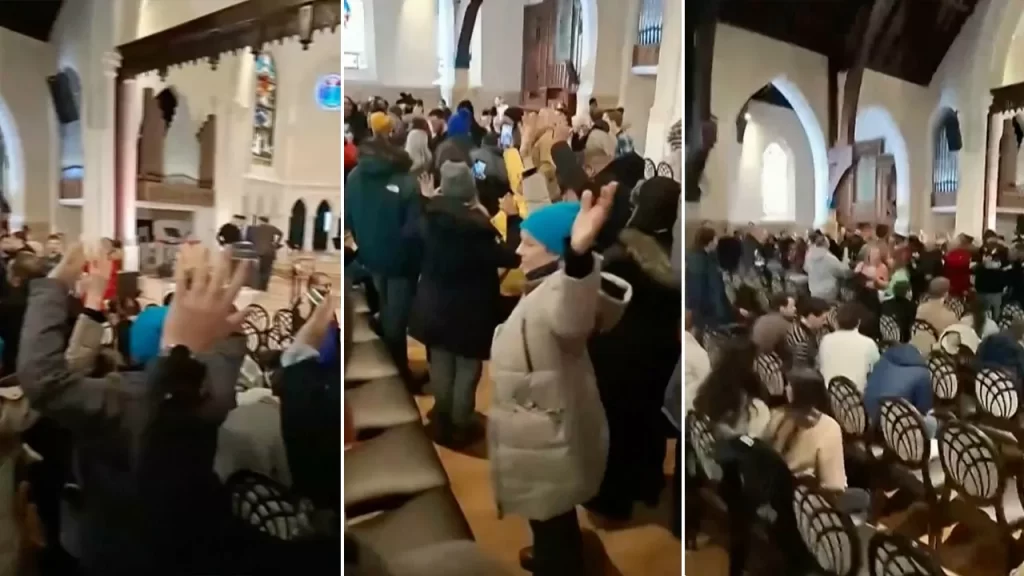
The protest at Cities Church was prompted by a series of controversial ICE operations that activists claim disproportionately target immigrant communities. Protesters stormed the church, disrupting services to bring attention to their cause. Many participants chanted slogans, held signs, and expressed their opposition to the agency’s practices, which they argue are often inhumane and unjust.
The Role of ICE
ICE has been a focal point of immigration debates in recent years. Critics argue that the agency’s tactics lead to family separations and unjust detentions. Meanwhile, proponents argue that ICE is essential for maintaining law and order and enforcing immigration laws. The clash between these perspectives fuels ongoing protests and activism across the country.
The FBI’s Involvement
Why the FBI Took Action
Following the protest at Cities Church, local law enforcement agencies collaborated with the FBI to identify participants accused of property damage and other unlawful activities. The agency’s involvement highlights the increasing scrutiny protocols surrounding protests, especially those that may disrupt public order or congregational settings.
Arrests Made
In the days following the protest, the FBI announced that multiple individuals had been arrested. The charges ranged from disorderly conduct to more serious allegations of vandalism. Authorities have stated that these arrests aim to demonstrate a commitment to maintain public safety and uphold the law, even during instances of civil disobedience.
The Response from Activists
Outrage and Support
The arrests sparked outrage among the activist community and supporters of the anti-ICE movement. Many argue that these individuals were merely exercising their right to free speech and that the FBI’s actions represent an overreach of government power. Statements from various activist groups condemned the arrests, emphasizing that they are part of a larger campaign to silence dissent.
Solidarity Protests
In response to the arrests, several solidarity protests have erupted in various cities, with individuals rallying in support of those apprehended. These gatherings aim to draw attention to perceived injustices in immigration practices and bolster the resolve of the anti-ICE movement.
The Broader Implications
A Divided Nation
The clash between law enforcement and activists highlights the deep divides within the nation regarding immigration. Some citizens express growing concern over the treatment of immigrants, while others remain staunch supporters of strict immigration enforcement policies.
Legal Consequences
The legal repercussions stemming from the arrests at Cities Church may serve as a precedent in similar cases, setting a tone for how future protests against government agencies like ICE are handled. Legal representatives for those arrested are exploring options to challenge the charges, arguing that the protests were peaceful expressions of free speech.
Shifts in Public Opinion
As arrests and protests continue to unfold, public opinion regarding immigration enforcement is undergoing a shift. Many Americans are beginning to reconsider their stance on ICE’s role in the immigration system and the long-term impact of its policies on communities.
Conclusion
The recent arrests following the anti-ICE protest at Cities Church underscore a significant moment in the ongoing debate over immigration policies in the United States. As more individuals are apprehended, questions arise about the limits of free speech and the extent to which individuals can express dissent against government agencies. The incident sets a critical precedent, affecting not only the anti-ICE movement but also broader discussions about civic engagement, activism, and the landscape of immigration in America.
Call to Action
As these discussions evolve, it is crucial for citizens to engage thoughtfully with issues surrounding immigration. Whether by participating in peaceful protests, advocating for policy changes, or educating themselves about the implications of immigration laws, individuals have the power to shape the conversation. The ongoing events surrounding the Cities Church protest serve as a reminder of the importance of civic engagement in the ever-evolving landscape of American society.
SEO Optimized Keywords
- FBI Arrests
- Anti-ICE Protests
- Immigration Policies
- Cities Church Protest
- Civil Disobedience
- Immigration and Customs Enforcement
- Public Safety and Law Enforcement
- Activism and Free Speech
- Solidarity Protests
- Public Opinion on Immigration
The story of the FBI arrests following the Cities Church incident emphasizes the complexities intertwined within the immigration debate. It highlights the urgency of addressing immigration issues while respecting the rights of individuals to voice their opinions against governmental policies. This evolving narrative presents both challenges and opportunities for advocacy groups, policymakers, and concerned citizens alike.