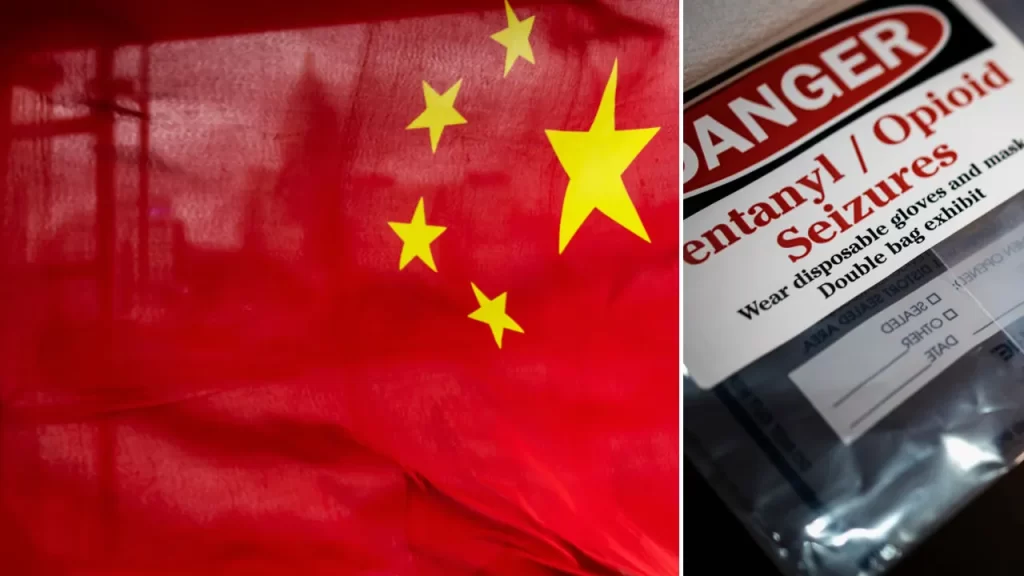

FBI’s Operation Box Cutter: Chinese Firms Indicted in Cartel Fentanyl Pipeline
Introduction
In a bold and significant move, the FBI has launched Operation Box Cutter, targeting Chinese firms involved in the illicit trafficking of fentanyl and other synthetic opioids. This operation underscores the dramatic escalation in international drug trafficking and the roles that foreign entities play in the opioid crisis ravaging communities across the United States. This article explores the intricate web of fentanyl trafficking orchestrated by these companies, detailing the operation’s context, implications, and broader consequences.
Understanding Fentanyl and Its Dangers
Fentanyl is a synthetic opioid that is 50 to 100 times more potent than morphine. Originally developed for pain management in severe medical conditions, its misuse has led to a spiraling epidemic of overdoses and fatalities. The alarming rise in fentanyl-related deaths in the United States has prompted law enforcement agencies to investigate and dismantle the networks that facilitate its distribution.
The Rise of Synthetic Opioids
The opioid crisis began in the late 1990s, largely due to the over-prescription of painkillers. However, the introduction of synthetic opioids like fentanyl exacerbated the situation. According to the Centers for Disease Control and Prevention (CDC), synthetic opioids were involved in nearly 70% of all opioid overdose deaths in 2021. The ease of manufacturing and distribution, particularly through online platforms, has made fentanyl a popular choice for traffickers.
The Role of Chinese Firms in Fentanyl Trafficking
Chinese manufacturers have become key players in the illicit production of fentanyl and its precursor chemicals, which are often shipped to Mexico for processing before being smuggled into the U.S. This complex supply chain highlights the global dimension of the opioid crisis.
Coordination with Mexican Cartels
Chinese firms do not operate in isolation. They frequently collaborate with Mexican cartels, which provide the infrastructure necessary for distribution. By creating a pipeline that links Chinese manufacturing to Mexican drug trafficking routes, these entities exploit weaknesses in law enforcement and supply chain governance. This collaboration has resulted in a flood of adulterated drugs into North American markets.
Operation Box Cutter: An Overview
Launched in late 2022, Operation Box Cutter has led to the indictment of several key Chinese firms and individuals involved in the fentanyl supply chain. The operation employed sophisticated surveillance and intelligence-gathering techniques to pinpoint the suppliers, routes, and methods used for trafficking.
Coordination Among Agencies
Operation Box Cutter is not solely the work of the FBI; it represents a collaboration among various agencies, including the Drug Enforcement Administration (DEA) and the Department of Homeland Security (DHS). This multi-agency approach allows for a more comprehensive understanding of the drug trafficking ecosystem and enhances the effectiveness of interventions.
Legal Implications and Consequences
The indictments stemming from Operation Box Cutter come with severe legal repercussions for the implicated firms. By pursuing charges against these businesses, U.S. authorities aim to weaken the economic base of fentanyl trafficking operations.
Increased International Cooperation
One of the noteworthy aspects of Operation Box Cutter is its emphasis on international cooperation. The U.S. government is working closely with Chinese authorities to tackle this pressing issue. While collaboration has been challenging due to varying legal standards and enforcement practices, recent developments signal a willingness on both sides to combat this global crisis.
The Economic Impact of Trafficking
The economic ramifications of fentanyl trafficking are staggering. The opioid crisis costs the U.S. economy billions of dollars each year through healthcare expenditures, lost productivity, and criminal justice involvement. By dismantling key suppliers, Operation Box Cutter aims to disrupt this flow, potentially saving lives and resources.
Community Efforts in Combating the Crisis
Local communities have also begun to play a pivotal role in combating the effects of fentanyl and supporting those affected by opioid use disorders. Initiatives such as awareness campaigns, access to treatment, and prevention programs are gaining momentum. Law enforcement agencies often partner with community organizations to raise awareness and empower local populations in the fight against opioid misuse.
Challenges Ahead
Despite the progress made through Operation Box Cutter, significant challenges remain. The rapidly changing landscape of drug trafficking means that traffickers are continually adapting their methods to evade law enforcement. As new synthetic opioids emerge, the risks associated with drug use increase.
Addressing the Root Causes of Addiction
Long-term solutions to the opioid crisis must also consider the underlying factors contributing to addiction. Social determinants such as mental health, socioeconomic status, and access to healthcare all play a crucial role. A holistic approach to the crisis will require coordinated efforts across multiple sectors, including healthcare, education, and law enforcement.
Conclusion
Operation Box Cutter represents a crucial step in the ongoing fight against the fentanyl epidemic. By targeting the international suppliers involved in the trafficking pipeline, U.S. authorities are sending a clear message: the fight against opioids is far-reaching and multifaceted. As this operation unfolds, it becomes increasingly apparent that collaboration—both domestically and internationally—will be essential for dismantling the networks that threaten public health and safety. The path ahead is fraught with challenges, but with continued commitment and coordination, progress can be made in curbing the devastating impact of fentanyl in our communities.
Call to Action
For individuals, communities, and policymakers, staying informed about the opioid crisis is essential. Advocate for policies that support addiction treatment, prevention programs, and international cooperation in combating drug trafficking. Remember, awareness and education are key to making a difference in this ongoing fight against opioid misuse and addiction.
SEO Optimization
To enhance your understanding of Operation Box Cutter and its implications, be sure to use related keywords such as “fentanyl trafficking,” “Chinese firms fentanyl,” “Operation Box Cutter,” and “opioid crisis.” These terms improve the visibility of this crucial information online, helping to reach a broader audience concerned about the pressing issue of drug trafficking and the opioid epidemic. Consider sharing this article to raise awareness and support ongoing efforts to combat this crisis.