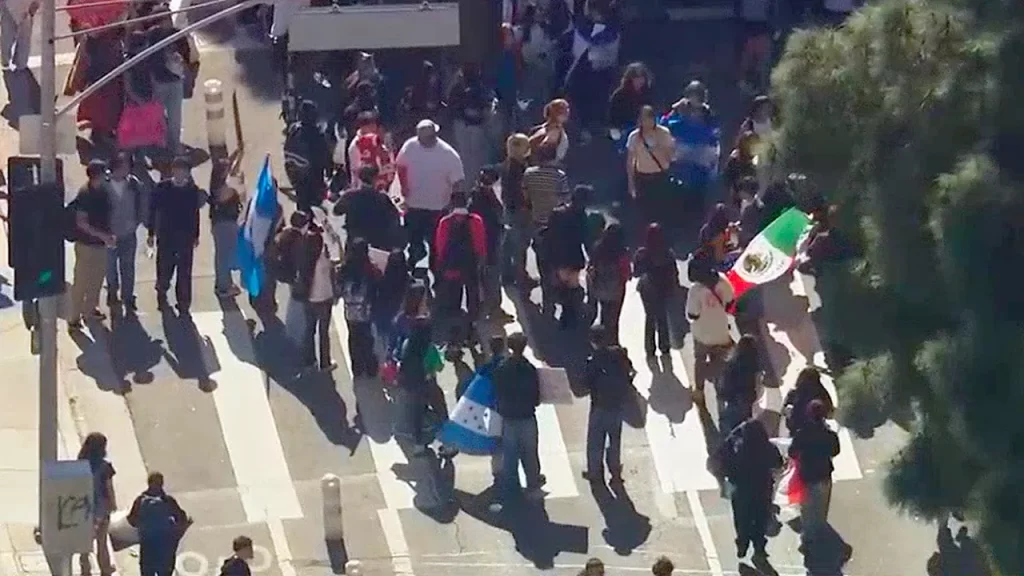

Federal Agent Injured in Anti-ICE Protest Attack in Downtown Los Angeles
Introduction
In recent years, protests against the Immigration and Customs Enforcement (ICE) have surged across the United States, fueled by deep-seated emotions surrounding immigration policies and the treatment of migrants. One notable incident occurred in downtown Los Angeles, where a federal agent was injured during an anti-ICE protest. This article delves into the details of the event, its broader implications, and the reactions it has elicited from various communities.
Background on ICE Protests
The Rise of Anti-ICE Sentiment
Anti-ICE protests have escalated amid growing concerns over immigration enforcement practices. Many activists argue that ICE has been responsible for family separations and human rights violations. This has sparked nationwide protests aimed at dismantling the agency or significantly reforming its practices.
Los Angeles: A Hotbed for Protest
Los Angeles, with its diverse population and strong immigrant communities, has become a focal point for these protests. The city has long been a battleground for tensions around immigration issues, highlighting a clash of ideologies between those advocating for stricter immigration laws and those pushing for humanitarian approaches.
The Incident: What Happened?
Overview of the Protest
In the heart of downtown Los Angeles, a large crowd gathered to voice their dissent against ICE. The atmosphere was charged, with passionate speeches, chants, and signs calling for the abolition of ICE and denouncing the agency’s actions.
The Attack on the Federal Agent
During the protest, tensions escalated unexpectedly. A group of protesters clashed with law enforcement, resulting in chaos. Amid the turmoil, a federal agent sustained injuries. Reports indicate that the agent was in the area to maintain public safety and was attacked by individuals who perceived law enforcement as antagonistic to the protest’s message.
Immediate Aftermath
The injured agent was swiftly attended to and transported to a hospital for treatment. Authorities immediately condemned the violence, emphasizing that such actions are unacceptable, regardless of one’s stance on immigration policies.
Reactions and Responses
Law Enforcement’s Perspective
Law enforcement officials reacted strongly to the incident, stating that violence against any individual, including federal agents, will not be tolerated. They underscored the need for peaceful protests, reiterating that officers are present to protect public safety, not to infringe upon the rights of citizens to express their views.
Activist Groups’ Condemnation
Not all within the activist community support violent confrontations. Many leaders and organizations condemned the attack on the federal agent, asserting that it detracted from the protest’s intended message. They argued that if the goal is to promote humane immigration policies, then violence undermines the very cause they fight for.
Political Repercussions
The incident sparked a broader political dialogue surrounding immigration and law enforcement practices. Politicians from both sides of the aisle weighed in, with some decrying the attack as a manifestation of extremism, while others pointed to the need for comprehensive reform in how immigration laws are enforced.
The Broader Implications
Impact on Immigration Policy
This incident could have ripple effects on discussions surrounding immigration policy. Advocates for stricter immigration enforcement may use the attack as a rallying point to bolster support for tougher policies, while those pushing for reform may argue for de-escalation and a more peaceful dialogue.
The Role of Law Enforcement
The attack on the federal agent raises questions about the role of law enforcement at protests. Increased tensions during demonstrations could lead to heightened presence of police and federal agents, potentially further inflaming emotions on both sides.
Community Polarization
Violence at protests can lead to increased polarization within communities. While many support peaceful dissent, acts of violence can alienate potential allies and harden opposing views, making it more challenging to find common ground on complex immigration issues.
Media Coverage and Its Effects
News Reporting on the Incident
Media coverage of the incident highlighted the juxtaposition between the goals of the protesters and the outcome of the violence. This dual narrative may have major implications for public perception of both ICE and the broader protest movement.
The Role of Social Media
Social media platforms played a significant role in disseminating information about the protest and the ensuing violence. While they can provide a space for grassroots movements, they can also amplify divisive rhetoric and misinformation.
Moving Forward: Solutions and Recommendations
Promoting Peaceful Protests
To ensure that messages are heard and goals are achieved, activists must prioritize peaceful demonstrations. Organizing training sessions in non-violent protest techniques can help maintain focus on core issues rather than resorting to violence.
Engaging in Dialogue
Initiating dialogue between lawmakers, law enforcement, and community leaders is crucial. Open conversations can help bridge gaps in understanding and promote collaborative solutions to immigration challenges.
Fostering Community Unity
Building alliances among diverse groups can reinforce the strength of peaceful protest movements. Emphasizing shared values and common goals can lead to a more inclusive environment and strengthen the fight for humane immigration policies.
Conclusion
The injury of a federal agent at an anti-ICE protest in downtown Los Angeles serves as a critical reminder of the tensions surrounding immigration in the United States. This incident underscores the need for peaceful demonstrations, community engagement, and ongoing dialogue about immigration policies. As the nation grapples with these issues, it becomes increasingly important to remember that respectful discourse and understanding can lead to effective change. Only then can we hope to address the complexities of immigration and find paths toward more humane policies that benefit all involved.