
FedEx Driver Tanner Horner Pleads Guilty to Athena Strand’s Murder
Introduction
The tragic case of Athena Strand has captivated and horrified the nation. Tanner Horner, a FedEx driver, recently pleaded guilty to the murder of this young girl. The implications of this case go beyond the individual tragedy, raising questions about safety, the responsibilities of delivery drivers, and how such incidents can be prevented in the future.
Background of the Case
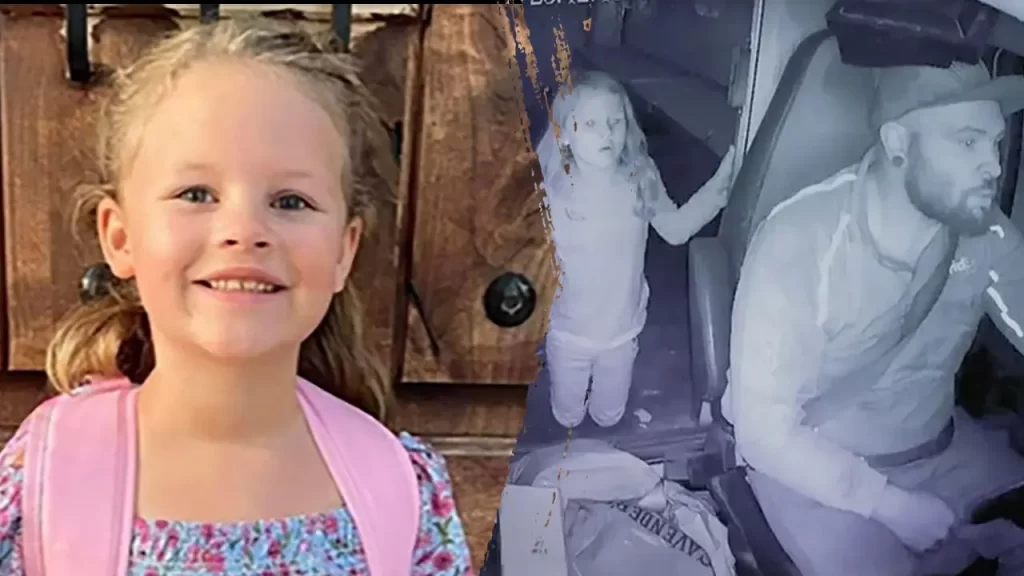
Athena Strand, a 7-year-old girl from Wise County, Texas, went missing in late 2022. After an extensive search, her body was discovered, leading to the arrest of Tanner Horner. Initially charged with kidnapping and murder, Horner’s guilty plea has brought some resolution to a case that has gripped the community.
Who Was Tanner Horner?
Tanner Horner was employed as a delivery driver for FedEx at the time of the crime. A background check and employment records revealed that he had no prior criminal history, raising questions about how a seemingly ordinary individual could commit such a heinous act. Horner’s actions have not only devastated the family of Athena Strand but have also raised concerns over the vetting processes for delivery service employees.
The Circumstances Surrounding the Crime
According to court reports, the day Athena went missing began like any other. Tanner Horner had been delivering packages in the area when he encountered Athena. Reports indicate that Horner made a series of poor choices that culminated in a tragic turn of events. The details are harrowing, as evidence suggests that this was not an impulsive act but rather one that involved a sequence of intentional actions.
Legal Proceedings and Guilty Plea
Horner’s guilty plea was part of a plea deal that aimed to avoid a lengthy trial. Pleading guilty not only results in a life sentence but also provides some closure for Athena’s family and the community. Furthermore, it allows the judicial system to avoid the complexities and uncertainties of a trial, especially when overwhelming evidence exists.
Charges and Sentencing
Initially charged with capital murder, Horner’s plea bargain included reduced charges in exchange for a confession. His accepted plea resulted in a life sentence without the possibility of parole. This aspect of the case underscores the severity of the crime and the judicial system’s commitment to delivering justice, albeit in a way that spares the family from the further trauma of a trial.
Community Response
The murder of Athena Strand has sent shockwaves through the community. Parents are left feeling unsafe, questioning the reliability of logistics and delivery services in their neighborhoods. Community vigils have appeared across Wise County, with residents rallying in both remembrance of Athena and to demand better safety measures.
Enhanced Safety Measures
In the aftermath of this tragedy, there has been a call for enhanced screening processes for delivery personnel. Companies like FedEx and others are now under scrutiny as people demand more robust background checks and psychological evaluations to ensure the safety of children and families. The focus has shifted to developing policies that not only protect the public but also hold delivery services accountable.
The Role of Media
Media coverage of Athena’s case has been both extensive and sensitive. National news outlets have reported widely on the event, reinforcing the impact of social media in amplifying community voices. However, the press also faces accusations of sensationalizing crime stories, which can numb the public to the actual human tragedy involved. This duality presents a challenge in maintaining ethical journalism while meeting the public’s demand for information.
National Implications
The tragic murder of Athena Strand raises larger societal and systemic issues about safety, surveillance, and community trust. As more people shop online, the prevalence of delivery services has increased, resulting in more individuals interacting with strangers in their neighborhoods. Concerns are growing about how to implement technology, such as surveillance cameras, to enhance safety without eroding privacy rights.
Moving Forward: Advocacy and Prevention
In the wake of these events, advocacy groups have begun to form, demanding more stringent laws and guidelines around employment in sensitive positions. The aim is to prevent tragic outcomes like that experienced by Athena’s family. Community members are encouraged to engage with local representatives to push for legislative changes that prioritize child safety.
Conclusion
The murder of Athena Strand by FedEx driver Tanner Horner is a painful reminder of the vulnerabilities children face in society. While the legal system has adjudicated the case, the ripple effects of this tragedy will continue to be felt. Communities will rally together to demand change, ensuring a safer environment for future generations. It is essential for both individuals and organizations to take proactive steps to prevent such atrocities and to foster a culture of accountability and care.
By focusing on prevention, community support, and legislative advocacy, we can hope to create a world where tragedies like the murder of Athena are no longer a reality.