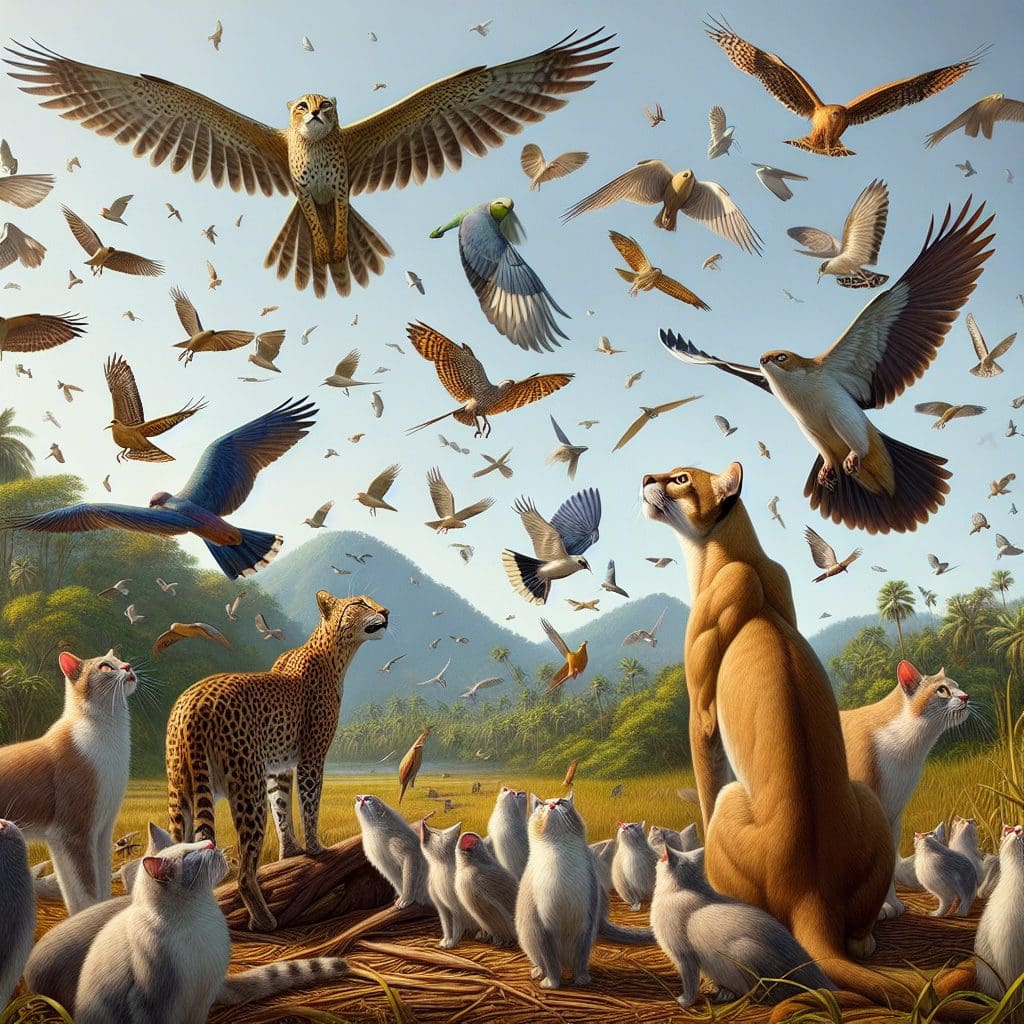

Felines, particularly domestic cats, have been identified as one of the major human-related threats to bird populations worldwide. With an estimated 600 million domestic cats roaming freely in the United States alone, their impact on wildlife is profound. These elusive and agile hunters instinctively chase and kill birds, leading to significant declines in various species. Studies suggest that cats kill millions of birds each year, with estimates ranging drastically based on geographic area and cat population density.
The introduction of felines to ecosystems where they are not native can disrupt the existing balance. Birds often have not evolved behaviors or defenses against these predators, making them especially vulnerable. Ground-nesting species, in particular, face dire consequences, as their nesting sites are easily accessible to prowling cats. The decline of these birds contributes to broader ecological imbalances, affecting plant life and other animal species that rely on birds for various ecological functions, such as seed dispersal and pest control.
Moreover, cats can also affect bird populations through indirect means. By preying on birds, they disrupt breeding and nesting habits, leading to lower reproduction rates. The stress induced by the presence of cats can induce behavioral changes in birds, which may lead them to abandon nests or alter feeding patterns. This, combined with habitat loss and environmental degradation caused by urbanization, exacerbates the plight of many bird species.
Conservation efforts have been initiated in response to the alarming decline of bird populations attributed to domestic cats. Programs promoting responsible pet ownership, such as keeping cats indoors or designing enclosed outdoor spaces, have gained traction. Community education about the implications of allowing cats to roam free is crucial. These initiatives aim not only to protect vulnerable bird species but also to foster a better understanding of the ecological responsibilities that come with pet ownership.
Despite the challenges posed by free-ranging cats, there remain opportunities for coexistence between felines and avian life. The implementation of eco-friendly solutions, such as bird-safe collars and contained outdoor play areas for cats, can mitigate the dangers posed to birds while still allowing cat owners to enjoy their pets. By fostering awareness and encouraging changes in behavior, it is possible to create a harmonious balance between feline companionship and avian conservation. The efforts to address the impact of felines on bird populations are more essential than ever as we strive to protect our planet’s biodiversity.
For more details and the full reference, visit the source link below: