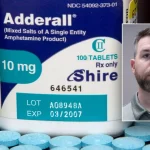

Michael Tapscott, a former Drug Abuse Resistance Education (D.A.R.E.) officer, recently made headlines after admitting to selling drugs. His revelation shocked many, given that D.A.R.E. has long been an integral part of the effort to keep youth away from substance abuse. Founded in the 1980s, D.A.R.E. aimed to educate young people about the dangers of drugs and violence, fostering a message of prevention and personal responsibility. Tapscott’s involvement with the program put him in a position where he was not only a role model but also a key figure in the community’s fight against drug abuse.
Tapscott’s admission raises serious concerns about the integrity of programs designed to protect and educate children. As a former police officer, he was expected to uphold the law and exemplify moral standards, particularly in a realm that deals with the sensitive issue of drug prevention. His actions not only betrayed the trust of the community he served but also undermined the efforts of countless educators and officers who dedicate their lives to combating substance abuse. The irony is palpable; a man who once taught the dangers of drugs became a dealer himself, demonstrating the complexities and challenges surrounding addiction and morality.
This case highlights a broader issue within the D.A.R.E. program and similar initiatives. While the intention of these programs is commendable, they often face criticisms regarding their effectiveness. Studies have shown mixed results regarding the long-term impact of D.A.R.E. on preventing drug use. Some argue that for the message to resonate, it requires consistency and authenticity—qualities that Tapscott’s actions starkly contradict. His fall from grace serves as a cautionary tale about the importance of transparency, accountability, and the need for ongoing support and education for those involved in drug prevention efforts.
Moreover, Tapscott’s confession poses ethical questions about law enforcement and drug policy. It underscores the necessity for comprehensive training and psychological support for officers, particularly those involved in high-stress areas such as drug enforcement. They must be equipped not only with the skills to enforce the law but also with the tools to maintain their own well-being.
In the end, Michael Tapscott’s story is one of contradiction. It invites reflection on the complexities of human behavior, the challenges of maintaining integrity in high-pressure environments, and the ongoing battle against substance abuse. It serves as a reminder that those in positions of authority can falter and that the community must continually strive to nurture trust and accountability. The fight against drugs is not just about laws; it is about credible connections and genuine communication that resonate with the youth.
For more details and the full reference, visit the source link below: