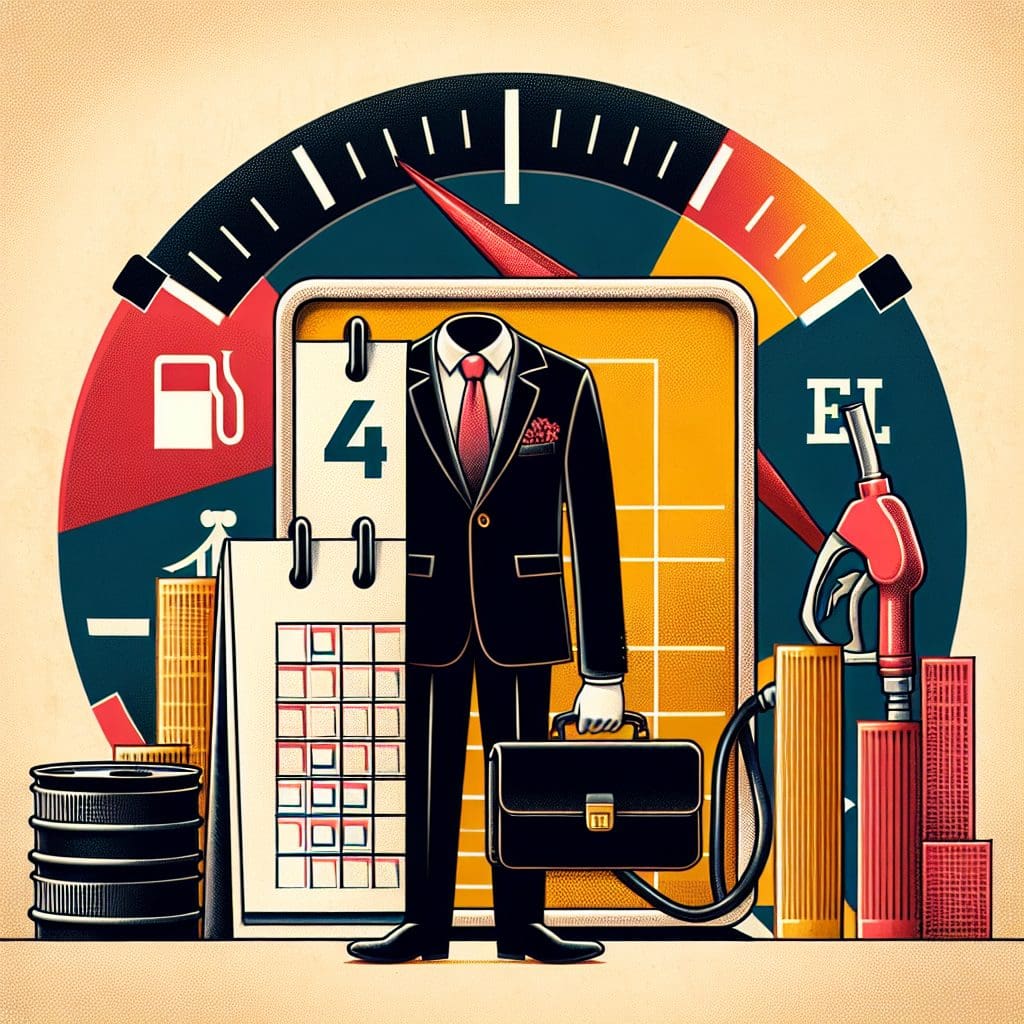

As the Iran Oil Crisis continues to reverberate through global markets, Asian nations are adopting innovative strategies such as four-day workweeks, resource rationing, and a shift to casual attire to mitigate the economic and social impacts of rising oil prices. These measures not only demonstrate adaptability but also reflect a proactive approach to a rapidly changing energy landscape.
Four-Day Workweeks: A growing number of Asian countries are experimenting with the four-day workweek as a strategy to boost productivity and employee satisfaction. By reducing the workweek while maintaining output, businesses can cut down on operational costs, including energy consumption. Japan, for instance, has seen increased interest in this model, with companies reporting enhanced employee morale and efficiency. This compressed work schedule allows employees to conserve energy by reducing commuting times and vehicle use, ultimately leading to lower fuel consumption and a smaller carbon footprint. Moreover, it fosters a healthier work-life balance, which can improve overall economic resilience in times of crisis.
Resource Rationing: In parallel with the restructuring of work weeks, resource rationing has emerged as a critical strategy for energy conservation. Countries like India and South Korea are implementing measures to prioritize essential services and reduce wasteful consumption. For instance, government campaigns encourage citizens to adopt energy-efficient practices at home and work while providing incentives for reduced energy use. These initiatives not only help to manage the immediate challenges of rising oil prices but also contribute to long-term sustainability goals. By promoting energy conservation, these countries aim to cushion their economies against the volatility associated with global oil supply disruptions.
Casual Attire: The cultural shift towards casual attire in workplaces also plays a role in navigating these challenges. Many Asian nations have traditionally embraced formal dress codes, which can lead to additional energy consumption associated with dry cleaning and garment production. By relaxing these dress codes, employers promote comfort and reduce costs, simultaneously allowing employees to focus more on productivity rather than appearances. This change can be seen as a parallel to the broader societal move towards practicality during economic hardships, encouraging a mindset that values functionality over formality.
In conclusion, as Asian nations grapple with the realities of the Iran Oil Crisis, the implementation of a four-day workweek, resource rationing, and the adoption of casual attire are just a few strategies being leveraged to create resilience. These adaptable methods reflect a commitment to sustainability and an understanding of the importance of employee well-being in navigating economic uncertainty. As these nations forge ahead, they set a compelling example for others to follow in addressing the complexities of a shifting global energy landscape.
For more details and the full reference, visit the source link below: