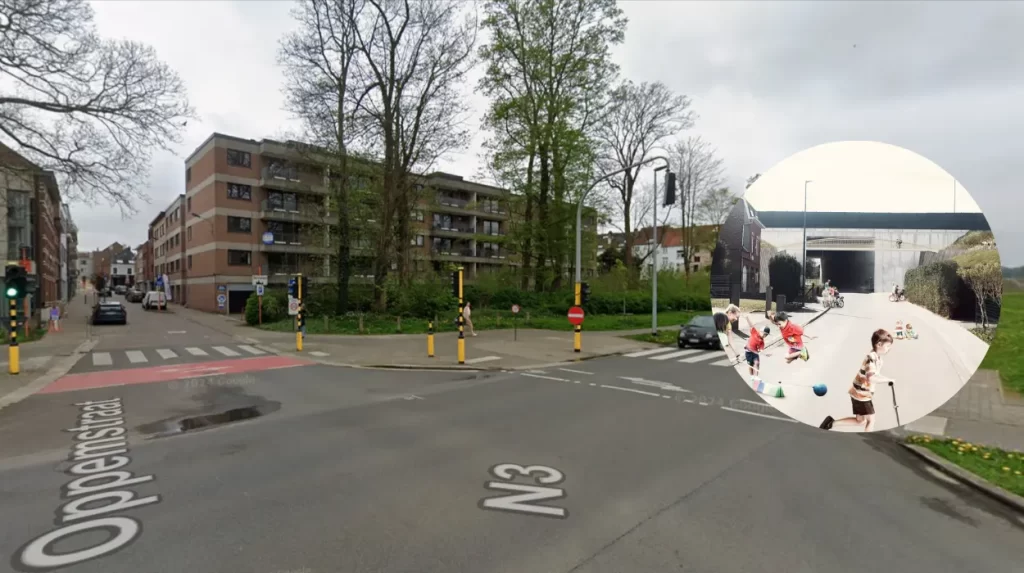

The FR20 cycle highway, a significant project in the realm of sustainable transportation, is set to transform the cycling landscape in Belgium when work begins in 2026. This ambitious initiative aims to create a dedicated, high-quality cycle route connecting various key areas along the Mechelsesteenweg. With increasing concerns over climate change and urban congestion, the FR20 cycle highway represents a proactive approach towards promoting greener commuting options.
One of the most compelling features of the FR20 cycle highway is its commitment to safety and accessibility. By providing a dedicated space for cyclists, the project is designed to minimize interactions between cyclists and motor vehicles, significantly reducing the risk of accidents. This enhanced safety element is particularly important in urban areas where cyclists often find themselves navigating busy streets. The design will incorporate well-planned intersections and bicycle-friendly traffic signals, ensuring that cyclists can move through the city with ease and confidence.
In addition to safety, the FR20 cycle highway aims to encourage more people to choose cycling as their primary mode of transportation. By creating a seamless and enjoyable route, the project hopes to increase the number of daily cyclists, thus contributing to a healthier lifestyle. Studies have shown that proximity to cycling infrastructure directly correlates with higher cycling rates, and the FR20 cycle highway is poised to foster a cycling culture in the region.
The Mechelsesteenweg, as a central corridor in this initiative, will benefit greatly from the enhancements provided by the cycle highway. Historically a busy thoroughfare, the redesign will not only improve the experience for cyclists but also enhance the overall aesthetic appeal of the area. Landscaping, recreational spaces, and pedestrian-friendly features are all part of the plan, promoting a sense of community and encouraging outdoor activities.
Moreover, the FR20 cycle highway aligns with broader governmental goals of reducing carbon emissions and promoting sustainable urban mobility. Local authorities are increasingly recognizing the need for infrastructure that supports environmentally friendly modes of transport as cities evolve to meet modern demands. By investing in cycling infrastructure, the project seeks to alleviate the pressure on public transport systems and reduce reliance on fossil fuel-powered vehicles.
In conclusion, the FR20 cycle highway is set to be a groundbreaking project that will not only improve the cycling experience along the Mechelsesteenweg but will also contribute to a larger goal of sustainable urban development. As work commences in 2026, the community can look forward to a greener, safer, and more accessible future for cyclists in the region, paving the way for a healthier and more environmentally conscious society.
For more details and the full reference, visit the source link below: