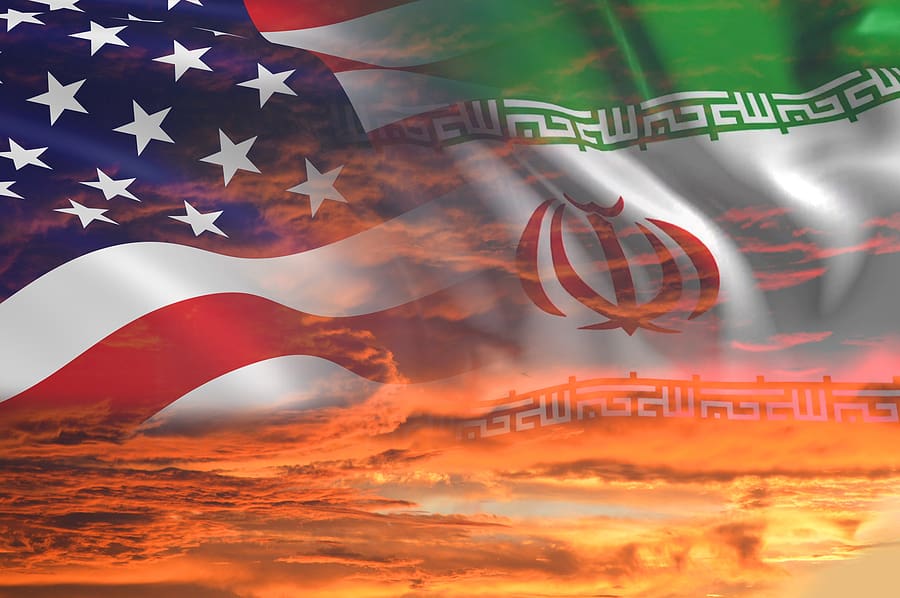

The intersection of fragile ceasefires in conflict zones and the volatility of oil prices creates a complex landscape that significantly impacts global economies and geopolitics. Recently, fragile ceasefires, particularly in regions rich in natural resources, highlight the delicate balance between peace initiatives and economic stability. When hostilities temporarily subside, as seen in areas like the Middle East or Eastern Europe, the potential for economic recovery emerges. However, these truces often hang by a thread, subject to sudden escalations that can lead to immediate geopolitical instability.
Rising oil prices are intricately linked to the dynamics of conflict. Oil, often dubbed “black gold,” is a critical resource that fuels not only economies but also military endeavors. Countries involved in prolonged conflicts frequently see fluctuations in oil production and distribution, driving prices higher on the global market. The slightest hint of renewed violence can trigger panic among investors, resulting in price spikes. Additionally, the involvement of foreign powers in these conflicts often complicates ceasefire efforts and adds layers of unpredictability to oil markets.
As ceasefire agreements are negotiated, the hope for peace can lead to increased investments in infrastructure and reconstruction in conflict-affected regions. Countries that are less affected by conflict often capitalize on this potential recovery, increasing demand for oil to support economic growth. This demand puts upward pressure on oil prices, intertwining the economic prospects of peace with the energy markets.
Furthermore, the global nature of the oil market means that fluctuations in one area can have far-reaching implications. For example, if a fragile ceasefire falters in a key oil-producing region, not only will local economies suffer, but the ripple effects can lead to increased prices internationally, affecting everything from transportation costs to inflation rates in countries far removed from the conflict.
In recent years, the rise of renewable energy sources has added another layer to this dynamic. As countries pursue greener energy strategies, dependence on oil may diminish over time; however, during transitions, geopolitical tensions remain high, especially in areas where fossil fuels are still the backbone of economies.
Addressing the challenges posed by fragile ceasefires and rising oil prices requires a multifaceted approach. Diplomatic efforts aimed at fostering lasting peace must be coupled with strategies that ensure energy security and economic stability. In this intricate tapestry of international relations, achieving a sustainable peace is not merely about negotiating a ceasefire; it involves creating an environment conducive to long-term economic health, particularly amidst the ever-volatile global oil market.
For more details and the full reference, visit the source link below:
Read the complete article here: https://www.stl.news/fragile-ceasefire-and-rising-oil-prices/