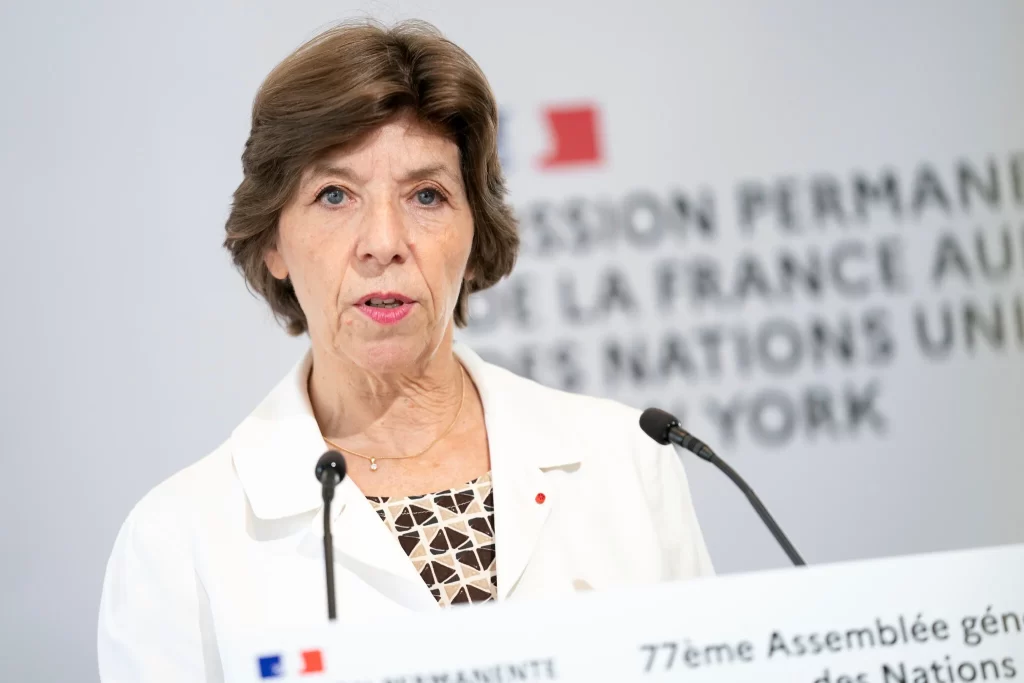

As of 2026, France’s foreign policy finds itself at a critical turning point, shaped by a dynamic international landscape marked by geopolitical tensions, economic shifts, and urgent challenges around climate change and security. At the heart of this evolution is France’s commitment to multilateralism and a reinforced role in global governance, underscoring its ambition to address both European and global issues.
In the realm of security, France has been increasingly assertive in its defense strategies, particularly in response to threats from Russia and the rise of new geopolitical challengers in Asia. The war in Ukraine and its ramifications have necessitated a reevaluation of military alliances and defense postures in Europe. France, a key player in NATO, advocates for enhanced European defense capabilities, pushing for stronger collective security arrangements independent of American influence. The urgency for a more cohesive European defense framework aligns with France’s vision of a strategically autonomous Europe capable of responding to crises without sole reliance on external actors.
Moreover, the rise of China as a global power has prompted France to recalibrate its approach to Asia. France seeks to strengthen its ties with Indo-Pacific nations, recognizing that economic and political engagements in this region are crucial for global stability. This pivot includes strengthening relationships with countries like India, Japan, and Australia, promoting a free and open Indo-Pacific while countering the influences of both China and Russia in the region.
France also remains committed to addressing climate change, viewing it as a central pillar of its foreign policy. The French government is actively promoting sustainable development practices and green technology, advocating for international cooperation to meet the targets set in the Paris Agreement. The focus on climate diplomacy aligns with France’s ambition to lead global efforts in environmental sustainability, establishing itself as a moral authority in the fight against climate change.
Human rights and democracy continue to be integral elements of France’s international agenda. As a proponent of universal human rights, France has taken a firm stance against authoritarian regimes, actively supporting democratic movements worldwide. This commitment has been evident in France’s increasing engagement in Africa, where it aims to facilitate democratic partnerships and support civil society initiatives.
In conclusion, France’s foreign policy in 2026 is characterized by a multi-faceted approach that seeks to balance national interests with global responsibilities. As it navigates complex security environments, redefines its relationships in the Indo-Pacific, pursues sustainable development, and champions human rights, France stands at a pivotal juncture. Its capacity to adapt and lead in such a rapidly changing world will be critical in shaping both its own future and that of global society.
For more details and the full reference, visit the source link below:
Read the complete article here: https://brusselsmorning.com/france-foreign-policy-2026/89272/