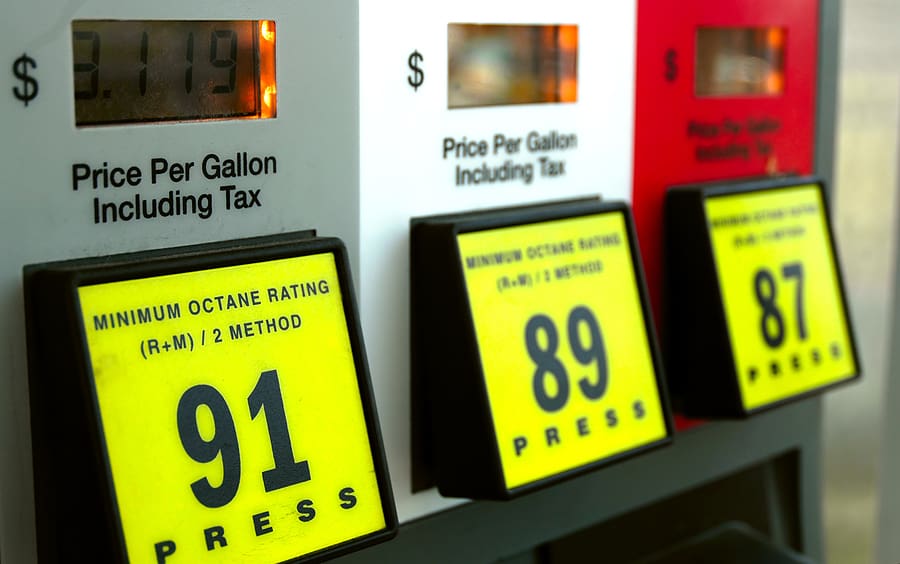

Gas prices across the United States have surged significantly in recent weeks, reflecting a complex interplay of global tensions and market dynamics that are unsettling the energy sector. Factors contributing to this spike include geopolitical instability, supply chain disruptions, and fluctuating demand, all of which are prompting consumers and analysts alike to pay closer attention to the evolving landscape of energy costs.
At the forefront of this surge are escalating tensions in key oil-producing regions, particularly in the Middle East. Conflicts and regional uncertainties often lead to fears of supply interruptions, which can cause oil prices to soar. With international markets linked intricately to these regions, disturbances can ripple across the globe, affecting prices at the pump for American consumers.
Additionally, the ongoing conflict involving major oil-producing nations has led to strategic moves by governments and companies alike. Sanctions against certain countries and alliances formed in response to these tensions can create further restrictions on oil supply. As a result, even minor changes in production output can trigger significant fluctuations in prices, leaving consumers to grapple with higher costs at the gas station.
On the domestic front, recovering demand post-pandemic has also played a role in inflating gas prices. As the economy rebounds and travel increases, the appetite for gasoline rises. This spike in demand comes at a time when refineries are still navigating the residual effects of supply chain challenges. From labor shortages to delays in the transportation of goods, these operational hurdles have limited the ability of producers to ramp up output quickly enough to meet the soaring demand.
Furthermore, the transition toward renewable energy sources has added another layer of complexity to the energy market. While the long-term benefits of a greener energy landscape are widely acknowledged, the immediate repercussions include volatility as the market adjusts. Investments in renewable technologies and infrastructure require time and resources, and until a more balanced energy mix is achieved, fluctuations in fossil fuel prices remain likely.
The impact of these rising gas prices extends beyond individual consumers. They can influence transportation costs, food prices, and broader economic trends. As expenses rise, households may find themselves making tough decisions about spending, which can, in turn, affect overall economic growth.
Amid these turbulent times, it becomes essential for consumers to stay informed about ongoing global developments and consider their impact on everyday life. As tensions continue to simmer, the unpredictability of gas prices may remain a significant concern for many Americans in the foreseeable future.
For more details and the full reference, visit the source link below: