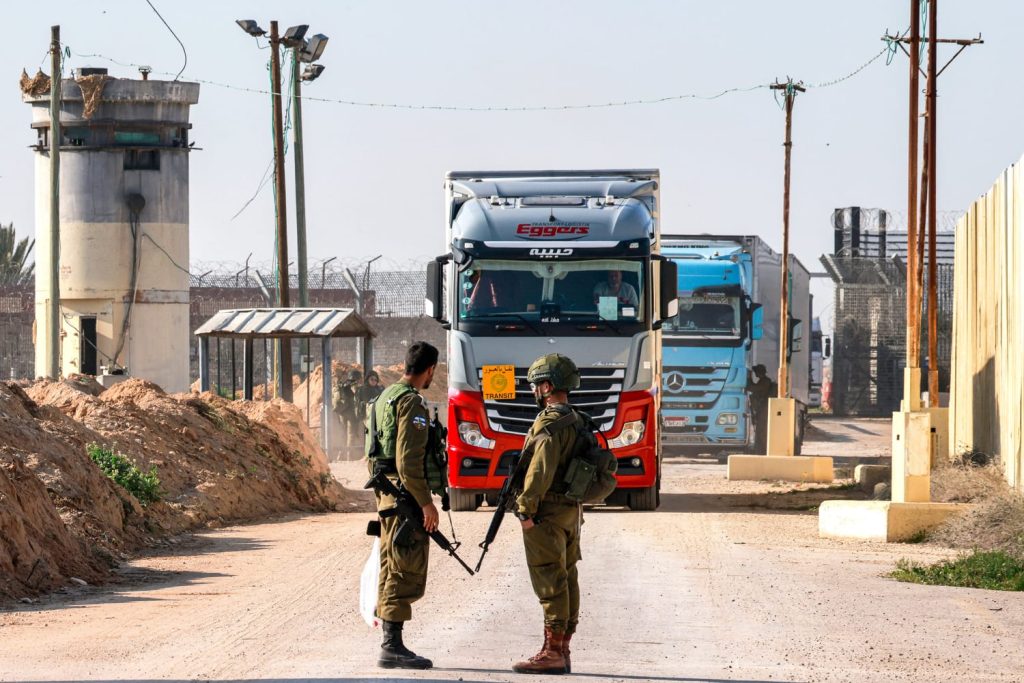

The Gaza border crossing has historically been a focal point of tension and conflict, symbolizing the broader Israeli-Palestinian struggle. Recent developments leading up to 2026 indicate a potential shift in this dynamic, raising hopes for increased mobility and economic opportunities for the people of Gaza.
In recent years, the border crossing has seen sporadic openings, primarily for humanitarian aid, medical supplies, and limited commercial goods. However, the ongoing political negotiations among Palestinian authorities, Israel, and international mediators suggest a new approach may be on the horizon. The shifting geopolitical landscape, particularly with changes in leadership within the region and evolving international alliances, has created an environment conducive to dialogue and compromise.
One of the critical developments is increased engagement from regional powers like Egypt and Qatar, which have played mediating roles in the past. Their influence is crucial in negotiating terms that could lead to a more permanent and secure border arrangement. This collaborative approach may facilitate a gradual easing of restrictions, allowing for the free flow of goods and individuals, which is essential for Gaza’s struggling economy.
Moreover, advancements in technology and infrastructure at the border could also symbolize a critical shift. New biometric systems and enhanced security measures are being discussed to streamline the crossing process, ensuring both safety and efficiency. This modernization could potentially bolster trade opportunities by creating a more predictable and secure environment for commercial activities.
Socially, the humanitarian situation in Gaza has been dire. The high unemployment rates and limited access to essential resources have necessitated urgent action. If the border crossings become more functional and less restrictive, it could significantly improve living conditions, leading to enhanced stability in the region. The prospect of temporary work permits or cross-border labor initiatives stands to benefit not only Gazans but also Israeli businesses that often face labor shortages.
International organizations and non-governmental entities have been keeping a close watch on these unfolding events. Many are advocating for transparent negotiations and ensuring that any agreements prioritize humanitarian needs while respecting the rights of Gazans. The roadmap towards a more stable Gaza crossing could have ripple effects, encouraging dialogue on broader peace initiatives.
In summary, the critical developments at the Gaza border crossing leading into 2026 can signify a potentially transformative phase. With regional and international efforts converging around pragmatic solutions, there’s cautious optimism that lasting changes may emerge, paving the way for a more secure and prosperous future for the people of Gaza and the broader region.
For more details and the full reference, visit the source link below:
Read the complete article here: https://brusselsmorning.com/gaza-border-crossing-israel-2026/92553/