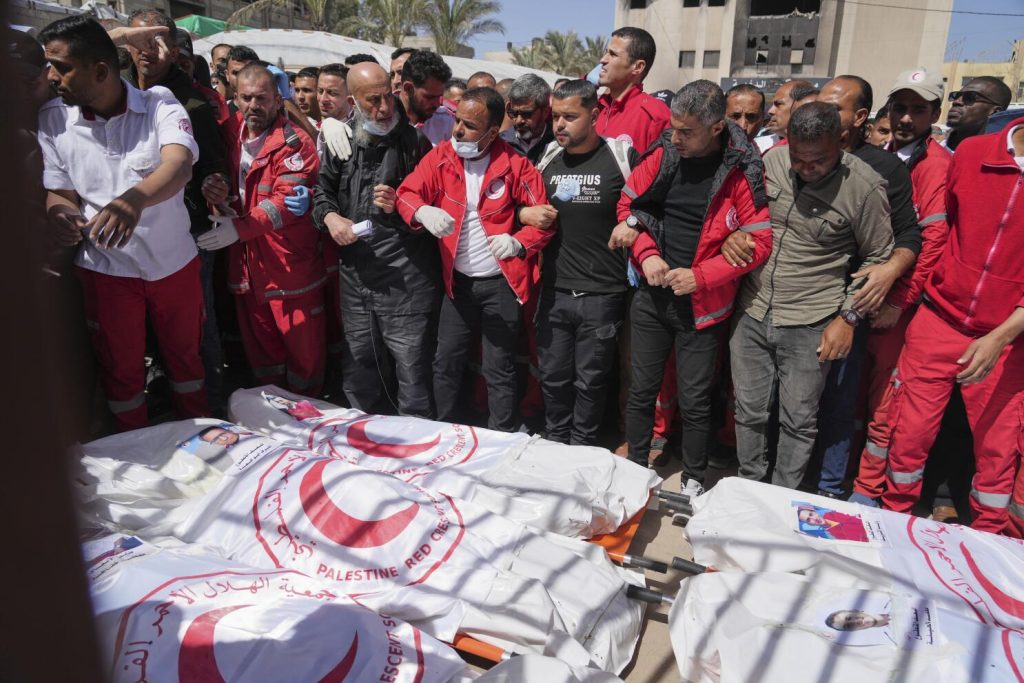

In 2026, the humanitarian crisis in Gaza reached a critical juncture, marked by escalating civilian deaths following a series of intense Israeli airstrikes. The conflict, which has roots stretching back decades, saw an alarming increase in civilian casualties, underscoring the urgent need for an immediate ceasefire and international intervention. Reports indicated that thousands of innocent lives were lost, with many more injured, amid the relentless bombings targeting sites purportedly associated with militant organizations.
The airstrikes, which Israeli authorities claimed were aimed at neutralizing threats from Hamas and other militant factions, often resulted in catastrophic collateral damage. Residential neighborhoods, educational institutions, and medical facilities became focal points of destruction, leaving families torn apart and communities devastated. The United Nations and various humanitarian organizations issued dire warnings, stating that the infrastructure in Gaza was on the brink of collapse, severely impeding efforts to provide medical care and essential services to the affected population.
International responses varied, with some countries calling for restraint from Israel and emphasizing the importance of protecting civilian life, while others maintained a steadfast support for Israel’s right to defend itself against constant rocket fire from Gaza. Protests erupted worldwide, as citizens rallied for an end to the violence and to highlight the suffering of the Gazan populace. The media provided extensive coverage of the situation, showcasing harrowing images of the aftermath of airstrikes and personal stories of loss and resilience among the survivors.
Amid the chaos, local NGOs and humanitarian workers struggled to deliver essential supplies, including food, water, and medical assistance. The blockade, which had been imposed for years, only exacerbated the situation, limiting the flow of aid and forcing many to rely on dwindling resources. The international community faced increasing pressure to intervene, with calls for a ceasefire growing louder as civilian casualties continued to mount.
As the death toll rose, the need for a comprehensive dialogue between Israeli and Palestinian leadership became more pressing than ever. Addressing the root causes of the conflict was crucial for sustainable peace. Without a concerted effort to engage in meaningful negotiations aimed at acknowledging the rights and dignity of both sides, the cycle of violence appeared likely to continue unabated.
The tragedies in Gaza served as a stark reminder of the human cost of conflict. For many, the images of destruction and despair became emblematic of a struggle for survival in the face of overwhelming odds. In 2026, the international community stood at a crossroads—grappling not only with geopolitical dynamics but also with the moral imperative to protect human lives that hung in the balance.
For more details and the full reference, visit the source link below:
Read the complete article here: https://brusselsmorning.com/gaza-civilian-deaths-2026/90205/