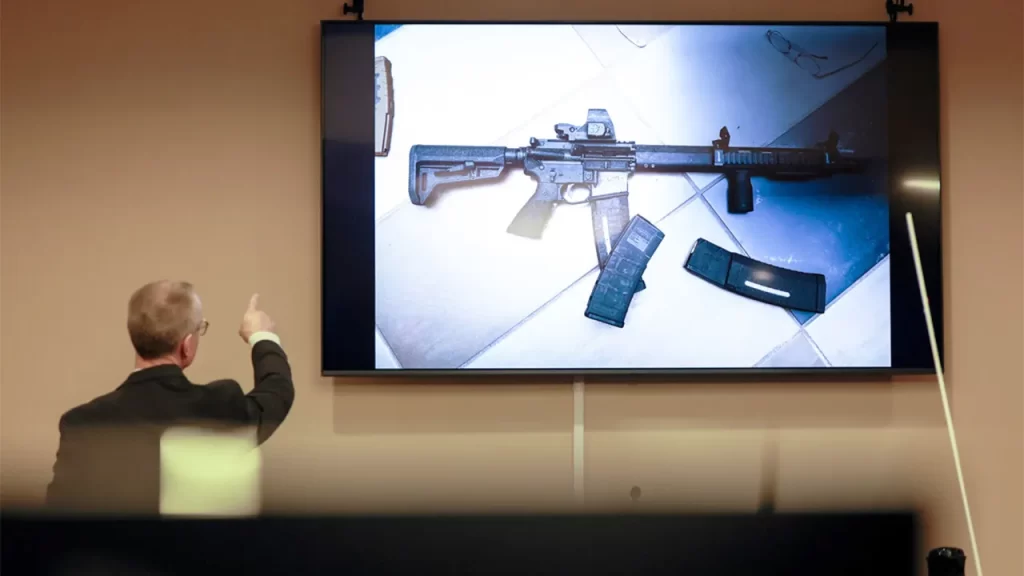

Georgia Father on Trial in Apalachee High School Shooting Case
The Apalachee High School shooting case has attracted significant attention, highlighting the challenges related to school safety, parenting responsibilities, and legal accountability. A Georgia father is currently on trial, raising questions about preparedness and the implications of gun ownership in the home.
Background of the Incident
The tragedy unfolded at Apalachee High School, located in Barrow County, Georgia. It began with a shooting incident that led to an outpouring of fear and chaos among students, faculty, and parents. The accused father, who has been identified as a key figure in this case, allegedly failed in his duties to properly secure firearms in his home, leading to dire consequences.
The incident itself not only shook the community but also prompted national discussions regarding gun safety and parental responsibility. As the case moves forward, attention is focused on the legal arguments and the broader implications for families across the nation.
The Accusations Against the Father
The father faces several serious charges related to negligence and overlooking necessary precautions regarding firearm safety. Prosecutors argue that his failure to secure his guns allowed his child easy access, resulting in a tragic event at the school.
Legal Definitions and Implications
Under Georgia law, parents and guardians can be held accountable if their negligence results in a crime – particularly when that crime involves minors and firearms. This case exemplifies the critical nature of understanding legal definitions surrounding parental responsibility and gun ownership.
Negligence in Firearm Storage
Negligence pertains to the failure to take actions that a reasonable person would take to protect others. In this case, the argument revolves around whether secure storage of firearms was a reasonable expectation for the father. State laws mandate that parents must take utmost care when it comes to gun safety, especially if children have access to these firearms.
Community Impact
The Apalachee High School shooting case has left a lasting impact on the Barrow County community. Following the incident, schools across the nation have become increasingly aware of the need for robust safety protocols and emergency preparedness.
Increased Vigilance in Schools
Schools are implementing comprehensive safety measures, including active shooter drills and stricter policies regarding entry and exit procedures. The aim is to ensure that students and staff feel safe and secure in their environment. The tragedy at Apalachee High School has forced educators and administrators to re-evaluate their approach to safety and emergency preparedness.
The Role of Lawmakers
In light of the shooting, state and federal lawmakers have begun reassessing gun laws and parental responsibilities. This case has ignited discussions about the potential for more stringent legislation on gun storage and safety. Conversations regarding safe firearm practices are becoming increasingly common in legislative circles, further emphasizing the need for responsible gun ownership across the state and beyond.
The Psychological Effects on the Community
The psychological scars inflicted by such incidents extend well beyond the immediate victims. Students and staff may experience anxiety, PTSD, and other mental health challenges in the aftermath.
Support Systems for Students
In response to the shooting, mental health professionals and counselors have stepped in to provide necessary support to students and families affected by the incident. Schools are offering counseling services, workshops on emotional resilience, and creating platforms for open discussions about feelings and fears.
Community Healing Initiatives
In addition to immediate support services, the Barrow County community has initiated several healing programs aimed at helping individuals process the trauma associated with the event. Community events focused on healing and awareness are becoming vital in rebuilding trust and security among residents.
The Trial Process: Key Developments
As the trial unfolds, critical developments are anticipated that will shape the outcome. This section will explore various aspects related to the legal proceedings.
Courtroom Dynamics
The courtroom has seen a mix of emotions, with family members, community leaders, and media representatives closely observing every detail. The trial’s proceedings illustrate how deeply personal stories can resonate within broader societal movements regarding gun safety and parental responsibilities.
Expert Witnesses and Testimonies
Throughout the trial, expert witnesses may come forward to provide insight into firearms safety protocols, psychological evaluations, and the impacts of negligence. These testimonies can significantly influence the jury’s perception and the case’s outcome.
Implications for Gun Rights and Parental Responsibility
The outcome of this case will undoubtedly ripple through conversations about gun rights, safety, and constitutional responsibilities. As parents wrestle with the implications of gun ownership, they must also consider their obligations towards responsible storage and child education regarding firearms.
Balancing Rights and Responsibilities
This case marks a pivotal juncture where personal rights and societal responsibilities intersect. Gun enthusiasts may feel their rights are on trial, while advocates for responsible gun ownership argue for increased safety measures and accountability.
Future Legislation
The case could serve as a catalyst for future legislation aimed at gun safety and parental accountability. As communities engage in dialogues about responsible firearm ownership, lawmakers can be expected to respond to the underlying concerns with new regulatory frameworks.
Conclusion
The trial of the Georgia father in the Apalachee High School shooting case encapsulates a pressing societal issue: the delicate balance between gun rights and parental responsibility. As this legal drama unfolds, the implications will resonate beyond Barrow County, positioning this case as a critical touchstone in the ongoing national discourse surrounding gun safety, school security, and familial duties.
The outcome of this trial will not only determine the fate of the accused father but also may forever alter the landscape of gun ownership and safety legislation across the nation. As the community rallies together to address the aftermath of this tragedy, the hope remains for significant progress in ensuring safer environments for future generations.