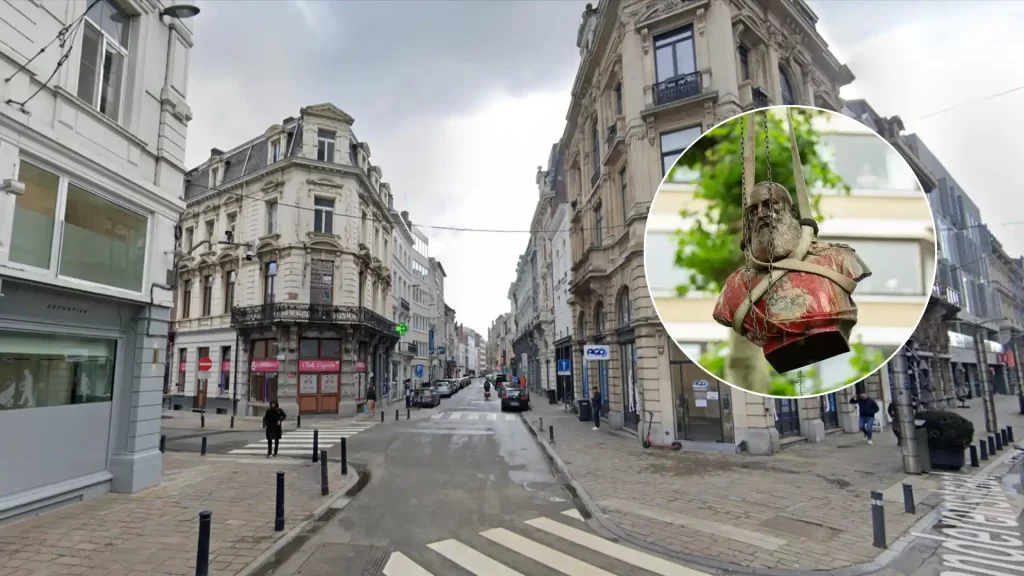

In a significant step toward acknowledging its colonial past, the city of Ghent, Belgium, has installed seven signs throughout the city that highlight its historical connections to colonialism. Each sign features a QR code, enabling visitors and residents alike to access detailed information about the events, figures, and impacts tied to Ghent’s colonial history. This initiative is part of a broader movement across Europe to address and confront colonial legacies, aiming to foster a more inclusive and transparent public discourse.
The signs are strategically placed in locations that hold historical relevance, offering insights into Ghent’s involvement in colonial enterprises, particularly during the 19th and early 20th centuries when Belgium had control over territories in Africa, specifically the Congo. The initiative seeks to educate the public about the often-overlooked narratives surrounding colonialism, including the exploitation and suffering of colonized peoples. By incorporating modern technology through QR codes, Ghent is making this history accessible and engaging for a diverse audience, encouraging people to reflect critically on the past.
The decision to erect these signs stems from a recognition of the need for cities to grapple with their colonial histories. Ghent’s move is particularly commendable as it aligns with a global conversation about reparation, rectifying historical injustices, and promoting social justice. By bringing these issues into public spaces, the city is not only commemorating the lives affected by colonialism but also acknowledging the impact that such histories can have on contemporary societies.
Moreover, the QR codes serve as a bridge between the past and present, allowing individuals to dive deeper into specific topics via online resources. This interactive approach may appeal especially to a younger audience, making history more relatable and accessible. Users can explore personal accounts, academic articles, podcasts, and other multimedia content that enriches their understanding of issues surrounding colonialism.
The installation of these signs has sparked conversations among residents, encouraging dialogue about how history is remembered, taught, and acknowledged. Reactions have ranged from appreciation for the acknowledgment of past injustices to debates about how best to present such histories in public spaces. The initiative demonstrates that recognizing colonial legacies is not merely an act of remembrance but also a vital aspect of fostering a more equitable society.
In conclusion, Ghent’s decision to install colonial history signs with QR codes represents a progressive move toward transparency and education. It stimulates critical discussions about the past, urging current and future generations to consider the complexities of history—and the responsibility that comes with it. By shining a light on colonial legacies, Ghent is taking important steps toward reconciliation and social consciousness.
For more details and the full reference, visit the source link below: