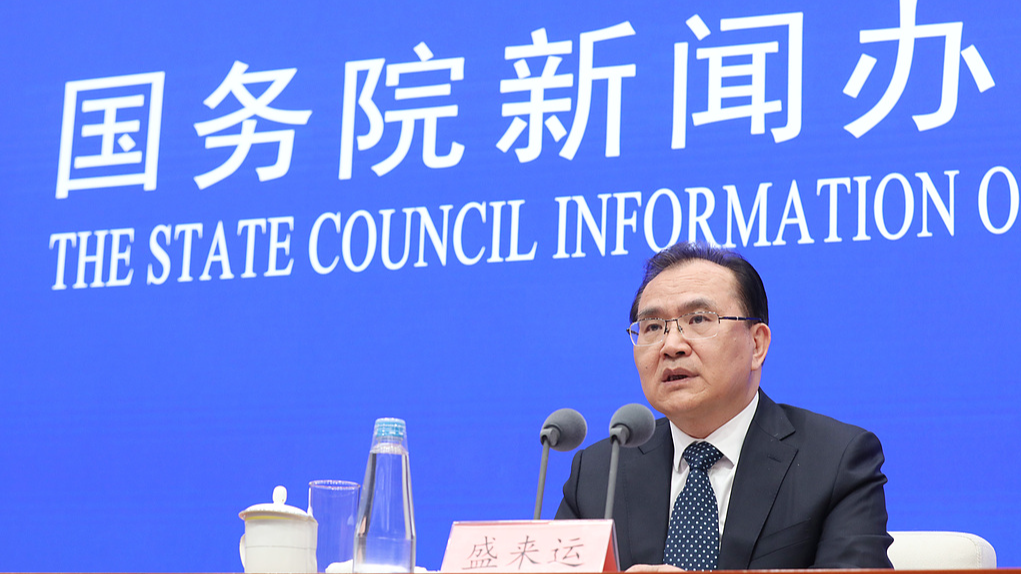

In 2026, the global economy is witnessing a profound shift, significantly influenced by China’s rising dominance. As the world’s second-largest economy, China has leveraged its manufacturing capabilities, technological advancements, and a burgeoning consumer base to reshape global economic paradigms. This transformation is characterized by a growing assertiveness in international trade and investment policies, which has far-reaching implications for the rest of the world.
One of the pivotal elements of China’s economic strategy is its “Dual Circulation” model, which emphasizes domestic consumption alongside international trade. This approach aims to reduce reliance on foreign markets while simultaneously enhancing its position as a leader in global supply chains. By fostering a more self-sufficient economy, China is better positioned to withstand external shocks, such as geopolitical tensions or trade disputes. This shift is leading to increased demand for high-quality domestic products, thereby stimulating growth in various sectors, from technology to healthcare.
Moreover, China’s ambitious Belt and Road Initiative (BRI) is making strides in facilitating infrastructure development across Asia, Africa, and Europe. By investing in transportation, energy, and digital infrastructure, China is not only enhancing its trade routes but also forging strategic partnerships with numerous countries. This fosters an interconnected global economy that can influence political dynamics and economic policies on a global scale. As nations become increasingly reliant on Chinese investment and goods, China’s economic clout continues to grow.
Technological innovation is another cornerstone of China’s economic ascendancy. The country has rapidly advanced in sectors such as artificial intelligence, renewable energy, and telecommunications. Companies like Huawei and Alibaba are not just local players; they are increasingly influential on the world stage. As China prioritizes research and development, it is set to lead in defining global standards and practices in technology. This technological prowess enhances China’s competitiveness, making its products and services more appealing both domestically and internationally.
The implications of China’s rise extend beyond economics. As its global influence grows, it shapes international norms and values, presenting an alternative to Western-centric models of governance and development. Countries may find themselves navigating a complex landscape, balancing their relationships with both China and traditional powers like the United States and the European Union.
In summary, the economic landscape in 2026 is marked by China’s powerful shift towards self-reliance, technological innovation, and strategic global engagement. As it continues to redefine its role on the world stage, the global economy will increasingly reflect the dynamics of China’s expanding influence, ultimately altering the way countries interact and collaborate. This powerful shift heralds the possibility of a multipolar world where economic powerbases are more diversified, challenging traditional economic hierarchies.
For more details and the full reference, visit the source link below:
Read the complete article here: https://brusselsmorning.com/global-economy-china-2026/91894/