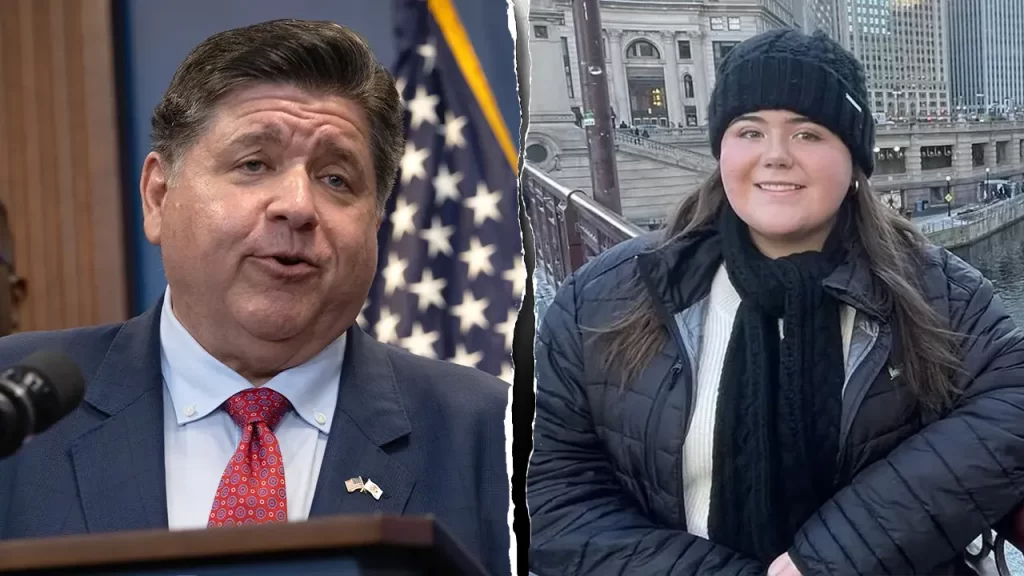

Gov. Pritzker Says Trump Failed to Follow His Own Immigration Edict
Introduction
In a recent statement, Illinois Governor J.B. Pritzker criticized former President Donald Trump for not adhering to his own immigration policies. This powerful declaration has ignited discussions around immigration policy, enforcement, and the implications for states across America. In this article, we will explore Governor Pritzker’s comments, the context of Trump’s immigration edicts, and the broader implications for immigration in the United States.
The Context of Trump’s Immigration Edict
During his presidency, Donald Trump made a number of sweeping changes to U.S. immigration policies. From the travel ban targeting specific countries to the controversial family separations at the U.S.-Mexico border, Trump’s presidency was marked by aggressive immigration enforcement. The centerpiece of his policy was a promise to secure the southern border and reduce the number of immigrants entering the U.S. illegally.
However, as we look back, it is crucial to analyze whether these policies were implemented effectively and consistently. Governor Pritzker’s comments suggest a significant disconnect between Trump’s rhetoric and the actual outcomes of his policies.
The Role of State Leadership in Immigration Policy
Pritzker, who has taken a more welcoming stance on immigration, argues that states have a vital role in how federal immigration laws are enforced. His administration has positioned Illinois as a refuge for immigrants by promoting sanctuary policies that protect undocumented individuals.
The governor’s comments highlight the tension between federal policy and state enforcement. While Trump’s administration pushed for stricter enforcement, many states, including Illinois, pushed back. The disparity in approaches raises questions about federalism and the delicate balance of power between state and federal governments.
Immigration Enforcement: A Closer Look
One of the critiques Pritzker made was regarding the inconsistency in immigration enforcement under Trump’s administration. For instance, while the former president was vocal about deporting illegal immigrants as a key policy goal, data showed that enforcement often fell short of targets.
Governor Pritzker pointed out that in many regions, communities felt the impact of this inconsistency. Long-standing immigrants living peacefully in the U.S. faced uncertainty and fear, often resulting in a chilling effect where families hesitated to engage with local governments or seek necessary services.
The Impact of Trump’s Policies on Immigrant Communities
The fallout from Trump’s immigration edicts was not merely theoretical; it had real-world implications for millions of immigrant families. Under the pressure of heightened enforcement, many immigrant families faced anxiety, and many enrolled in programs that would usually assist them became wary of government interaction.
Pritzker’s criticisms highlight the human aspect of cold policy. Immigrants, regardless of their legal status, have contributed to the economy and culture of the United States. Policies that seemed punitive not only caused emotional distress but also hampered community engagement and participation.
The Need for Comprehensive Immigration Reform
The debate sparked by Pritzker’s remarks reiterates the urgent need for comprehensive immigration reform. Trump’s administration largely focused on enforcement, often neglecting the complex realities that immigrants face.
Reform advocates argue for a more holistic approach: one that includes pathways to citizenship for undocumented individuals, protections for refugees and asylum seekers, and economic initiatives to support immigrant integration.
The Future of Immigration in America
Moving forward, the path seems complicated. Emerging from the pandemic, the entire immigration landscape is set to change. Governor Pritzker’s remarks suggest that states may take on a more significant role in shaping the future of immigration policy.
With the Biden administration temporarily reversing some of Trump’s more punitive policies, the landscape continues to evolve. State governors like Pritzker are taking a public stand, advocating for policies that not only recognize immigrants’ contributions but also protect their rights.
The Importance of Sincere Dialogue
For effective policy change, open dialogue among various stakeholders—state governments, federal authorities, and immigrant communities—is essential. There must be a collective effort to engage in discussions rooted in empathy and understanding, moving beyond partisanship to seek solutions that accommodate both national security and humanitarian concerns.
Conclusion
Governor Pritzker’s statement about Donald Trump’s failure to follow his own immigration edict serves as a crucial call to action. It exposes the considerable rifts in U.S. immigration policy and spurs essential conversations about the future of immigration in America. As states like Illinois take a stand in favor of more humane and comprehensive immigration policies, it remains imperative to address the underlying issues and ensure that the rights of all individuals—regardless of their immigration status—are respected and upheld.
Final Thoughts on Immigration and Policy Reforms
In an ever-diversifying nation, addressing the needs of immigrant communities is not just a political obligation but a moral one. By acknowledging the failures of previous administrations and advocating for supportive immigration policies, we can begin to forge a path toward a more inclusive and equitable society.
Through leadership, compassion, and proactive legislation, we can work towards an immigration system that reflects the core values of justice and opportunity that America stands for.