
In 2026, the geopolitical landscape of Europe faced significant upheaval, particularly due to escalating tensions surrounding Greenland. This situation drew in key players like NATO, the United States, and various European nations, creating a crisis that highlighted the delicate balance of power in the Arctic region.
The catalyst for the crisis was the increasing militarization of the Arctic, propelled by climate change and the resultant melting ice caps, which opened new trade routes and offered access to untapped natural resources. Greenland, an autonomous territory of Denmark, became a focal point in these developments. The U.S. had long sought to strengthen its strategic presence in Greenland, particularly at Thule Air Base, which plays a crucial role in early missile detection and global positioning systems. In 2026, the U.S. announced plans to expand its facilities, sparking alarm among NATO allies and particularly in relations with Russia.
Russia, perceiving the U.S. expansion as provocative, ramped up its military activities in the Arctic, conducting extensive naval exercises and bolstering its own bases in the region. This led to heightened tensions, as NATO members debated their collective response. Denmark, caught in the middle, faced pressure both from the U.S. for continued support of its military presence in Greenland and from European partners wary of provoking Russia.
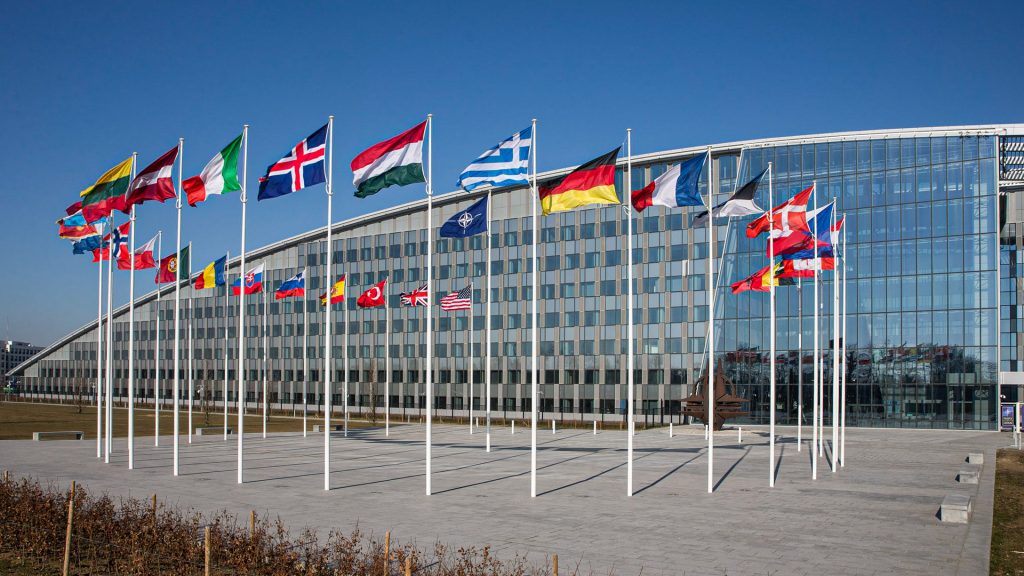
European nations began to voice concerns over the implications of a fully militarized Greenland. Countries like Norway and Sweden, which share interests in Arctic stability, called for a diplomatic approach, advocating for dialogue among the Arctic nations. The NATO summit held in Brussels became a critical juncture for discussions on this matter. As the U.S. pushed for a more aggressive posture, European leaders urged for a balanced approach that would prevent a militarized escalation in the region.
Public opinion in Europe was also polarized; many citizens were wary of increased military presence near their borders and the potential for conflict. Environmental groups highlighted the risks that military operations posed to the fragile Arctic ecosystem, further complicating the political landscape.
The crisis precipitated a series of high-stakes negotiations, with the hope that diplomatic engagement could avert escalation. Mediators emphasized the need for a collaborative effort to manage Arctic resources and maintain peace, reflecting a broader recognition of the interconnectivity of security, environmental stability, and international relations in the Arctic region.
As the dynamics between the U.S., Greenland, NATO, and Russia evolved, the 2026 crisis served as a stark reminder of the complexities inherent in international relations, particularly in an area that is becoming increasingly significant in the context of global power shifts.
For more details and the full reference, visit the source link below: