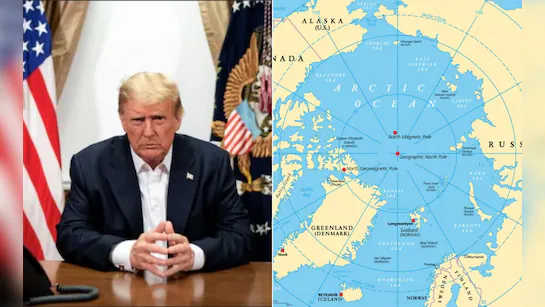

In recent years, Greenland has emerged as a focal point of geopolitical interest and concern, particularly for European nations and the European Union (EU). Several critical signals indicate that this vast Arctic territory is becoming a pivotal element in global geopolitics, shaking the foundations of Brussels’ diplomatic activities.
One of the most pressing threats is climate change, which is rapidly transforming Greenland’s ice sheets. The melting glaciers not only contribute to rising sea levels but also open up previously inaccessible areas for exploration. This has sparked a race among global powers, particularly the United States, China, and Russia, to assert influence in the Arctic region. As melting ice exposes new shipping routes and untapped natural resources such as oil and rare minerals, geopolitical tensions are likely to escalate. The EU must navigate these waters carefully, balancing environmental concerns against its strategic interests.
Another critical signal comes from the growing presence of China in Greenland. Beijing has invested in infrastructure projects, including airports and mines, raising alarms in both Washington and Brussels. China’s Belt and Road Initiative has extended its reach into the Arctic, threatening to alter the balance of power. This has prompted the EU to reconsider its stance in relation to Chinese investments in Greenland, as these could have long-term implications for EU security and trade routes.
The political landscape within Greenland itself also poses a challenge. The push for greater self-determination and independence from Denmark is gaining momentum, as Greenlandic leaders seek to capitalize on their natural resources. This push could lead to instability and complicate foreign relations, creating yet another layer of complexity for European policymakers.
Furthermore, military activities in the Arctic are increasing, with NATO and Russia both enhancing their presence in the region. The potential for conflict over resources and territorial claims raises the stakes for Brussels, which must address these security challenges amid ongoing tensions with Russia. The EU has a vested interest in ensuring that the Arctic remains a zone of peace and cooperation, but rising militarization complicates this objective.
Lastly, the Arctic Council’s changing dynamics bring further uncertainty. Greenland, as a member with a unique status, plays a crucial role in discussions about governance and sustainable development in the Arctic. The shifting focus of international stakeholders could undermine collaborative efforts and lead to fragmented policies, hindering EU objectives.
In summary, the evolving situation in Greenland highlights critical signals that shake Brussels: climate change, Chinese influence, internal political dynamics, military assertiveness, and the future of Arctic governance. Addressing these challenges requires a cohesive and proactive EU strategy, balancing environmental sustainability with geopolitical interests to secure a stable future for the region.
For more details and the full reference, visit the source link below:
Read the complete article here: https://brusselsmorning.com/greenland-threat-shapes-brussels/92007/