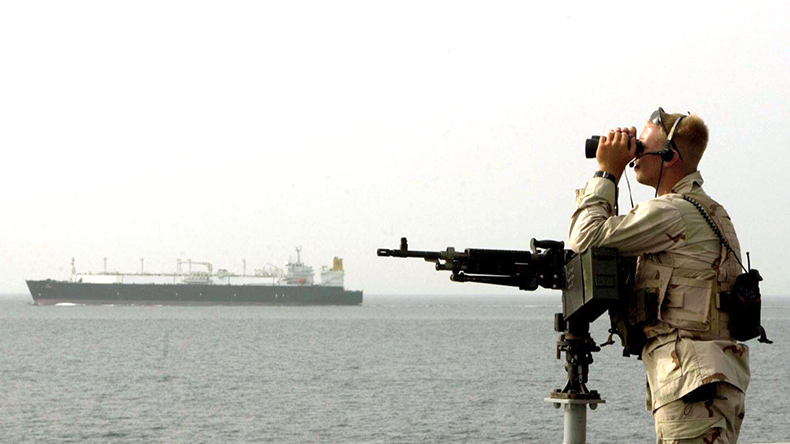

Gulf Regional Security Under Severe Strain in 2026
The security landscape of the Gulf region in 2026 reflects a complex tapestry of geopolitical tensions, resource competition, and non-state threats that have escalated dramatically over recent years. Several interconnected factors have contributed to this precarious situation, placing immense strain on regional stability.
One of the primary drivers of insecurity in the Gulf has been the competition between regional powers, particularly Iran and Saudi Arabia. In 2026, the longstanding rivalry has intensified, exacerbated by Iran’s accelerated nuclear program and its role in supporting proxy militias throughout the region. Following the collapse of diplomatic channels, incidents of military confrontations, skirmishes in the Strait of Hormuz, and cyber warfare have become more frequent. Saudi Arabia’s efforts to bolster its defense capabilities, including increased military spending and seeking closer ties with Western allies, have not alleviated fears, but instead fueled an arms race that further destabilizes the region.
Moreover, the socio-political ramifications of internal unrest have posed a significant challenge to Gulf monarchies. The Arab Spring’s aftershocks continue to reverberate throughout the region, leading to increased dissent and calls for reform. Countries like Bahrain and Oman grapple with internal discontent, while the UAE and Saudi Arabia invest heavily in surveillance and security mechanisms to maintain their grip on power. These authoritarian measures often lead to widespread resentment among the populace, creating a fertile ground for extremism and radicalization.
Additionally, climate change has started to add a new layer of complexity to Gulf security. As water scarcity and temperature extremes exacerbate socioeconomic challenges, competition for dwindling natural resources could ignite further conflict. The region’s heavy reliance on oil and gas, combined with global energy transitions, poses significant economic vulnerabilities, putting increased pressure on governments to maintain stability.
Non-state actors, including terrorist groups such as ISIS and Al-Qaeda, continue to exploit the volatile environment. The fragmentation of regional security forces can hinder effective counter-terrorism operations, and the proliferation of advanced technologies, including drones and cyber capabilities, has empowered these groups, complicating efforts to maintain order.
In conclusion, the Gulf region in 2026 finds itself at a critical juncture where national interests, external pressures, and internal dynamics converge to create a highly volatile security environment. Without concerted diplomatic efforts and collaborative approaches, the risk of conflict—whether through direct confrontations or through the actions of non-state actors—remains alarmingly high. The international community, particularly major powers, will need to engage more proactively to foster dialogue and mitigate tensions in a region that remains vital for global stability.
For more details and the full reference, visit the source link below:
Read the complete article here: https://brusselsmorning.com/gulf-regional-security-crisis/87863/