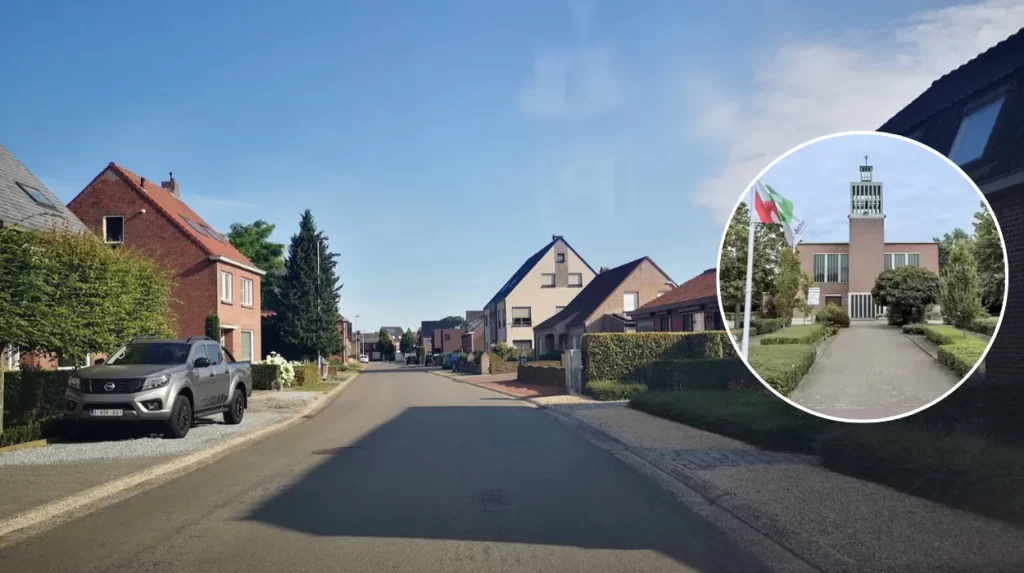

As 2026 begins, the small Belgian municipality of Hamont-Achel faces a significant shift in its religious landscape with the closure of two historic churches. This decision, which has been met with mixed reactions from the community, reflects broader trends observed in many parts of Europe, where attendance at religious services has declined significantly over the past few decades.
The two churches set to close, both notable for their architectural beauty and historical significance, have served as focal points for the community for generations. While the reasons for their closure encompass a variety of factors—including decreasing congregations, rising maintenance costs, and changing social dynamics—the emotional impact on the residents of Hamont-Achel cannot be underestimated.
Many local residents have grown up attending services and community events at these churches, which have formed an integral part of their social fabric. The closure of places of worship often symbolizes not just a shift in faith but also the loss of community gathering spots where social connections have flourished over the years. This transition prompts conversations within the community about identity, values, and the future of communal spaces.
In addition to the emotional ramifications, these closures also raise practical questions about what will happen to the church buildings. There are considerations of preservation versus repurposing; while some advocates call for retaining the structures for cultural heritage, others envision transforming them into spaces for community activities, such as art galleries or meeting centers. This potential for repurposing could serve to unite the community in new ways, reflecting evolving needs and interests.
Municipal leaders in Hamont-Achel have indicated that the closures are part of a larger re-evaluation of resources aimed at ensuring that the remaining churches can better serve the needs of the present-day community. This approach emphasizes adaptability as a means of fostering ongoing spiritual and social engagement.
Community forums and discussions have been organized to address residents’ concerns, allowing them to voice their opinions and dreams for how the future might unfold. These gatherings also serve to highlight the rich history and cultural significance of the churches, reminding participants that while the buildings may close, the spirit of community can thrive in new forms.
As Hamont-Achel steps into 2026, the closure of these churches stands as a poignant reminder of the ways in which communities adapt to change. It encourages residents to reflect on their identities and find new avenues for connection in a landscape that continues to evolve. The journey forward may be uncertain, but it also offers opportunities for growth, understanding, and renewal within this close-knit community.
For more details and the full reference, visit the source link below: