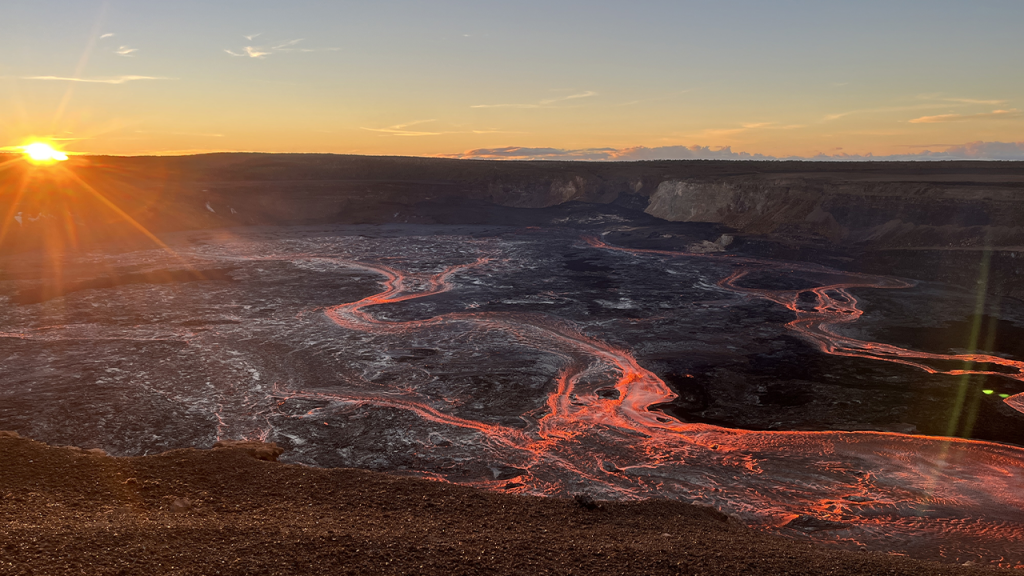

A tragic incident occurred in Hawaii involving a local resident who lost their life after entering a restricted area of the Kilauea volcano caldera. This event underscores both the beauty and the inherent dangers associated with the volcanic landscapes that draw tourists and locals alike to Hawaii’s unique geography.
Kilauea, one of the most active volcanoes in the world, has captivated visitors for centuries with its stunning views and dynamic geological activity. The volcano is a prominent feature of Hawaii Volcanoes National Park and has been in a nearly constant state of eruption since 1983. However, the mesmerizing landscape conceals significant hazards, particularly in restricted areas that are deemed dangerous due to the potential for sudden eruptions, toxic gas emissions, and unstable ground conditions.
Local authorities confirmed that the individual, whose identity has not yet been released, was found after having accessed a section of the caldera that is off-limits to the public. Reports indicate that they may have sought to capture photographs or experience the volcano up close, a motive that is not unusual among tourists and residents who feel a strong connection to the land. Unfortunately, this decision proved fatal, reminding us that nature’s allure can often blind us to its risks.
In response to the incident, park officials reiterated the importance of adhering to safety guidelines and respecting restricted areas. They emphasized that these zones are established for visitors’ protection due to the unpredictable nature of volcanoes. Such tragic events serve as stark reminders of the power of nature, prompting discussions about safety protocols for both residents and tourists.
Community reactions have echoed a mixture of sorrow and concern. Friends and family of the deceased are mourning their loss, while many locals express frustration over the need for public education regarding the dangers inherent in volcanic environments. Various community leaders have begun advocating for enhanced safety measures to prevent similar incidents in the future, including improved signage and educational outreach about the hazards that accompany volcanic activity.
As Hawaii continues to evolve in the face of ongoing geological transformation, the dynamics between nature, tourism, and safety remain at the forefront of discussions. This incident at Kilauea serves as a somber reminder of the need for vigilance in the presence of nature’s awe-inspiring yet perilous wonders. It highlights the significance of respecting boundaries set for our safety, ensuring that the captivating beauty of Hawaii can be enjoyed for generations to come, without further tragedy.
For more details and the full reference, visit the source link below: