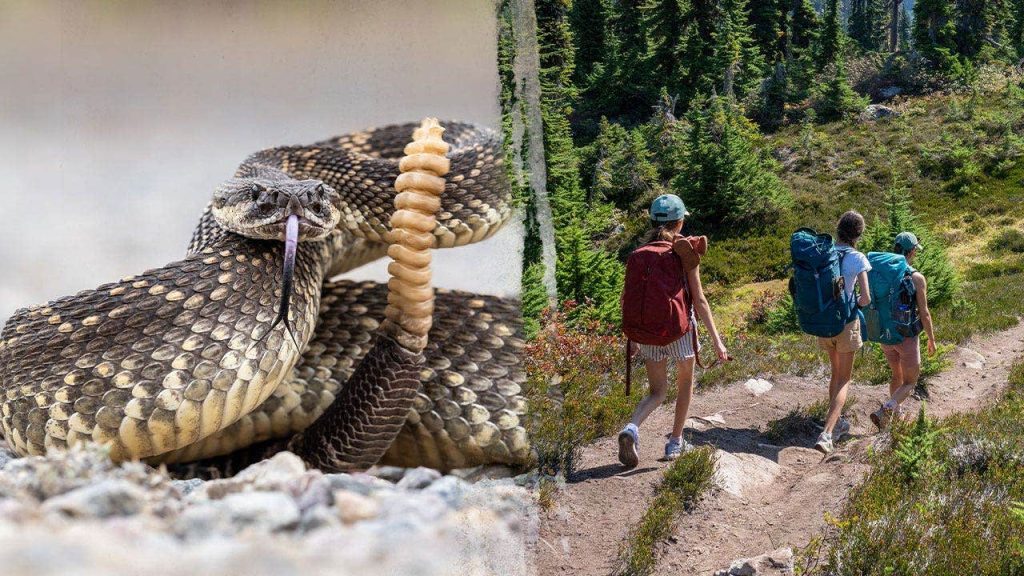

Hiker Airlifted After Rattlesnake Bite on Simi Valley’s Long Canyon Trail
Introduction
The serene backdrop of Simi Valley’s Long Canyon Trail weaves through beautiful landscapes and rich biodiversity. However, the tranquility of nature can quickly turn into a perilous situation, as recently demonstrated by a hiker airlifted after a rattlesnake bite. This incident underscores the importance of awareness, precaution, and immediate action when hiking in rattlesnake territory.
Understanding the Risks
Rattlesnake Habitat
Rattlesnakes are common in California, especially in areas like Simi Valley. They prefer dry, rocky, and brushy habitats, making Long Canyon Trail a prime location for encounters. Understanding these habitats can help hikers avoid unexpected run-ins.
Seasonal Factors
Rattlesnakes are more active during warmer months, typically spring through early fall. Hikers should take extra precautions during these seasons, especially at dawn or dusk when snakes are most active.
The Incident: What Happened?
The Hiker’s Experience
On a recent hiking adventure, a hiker encountered a rattlesnake on Long Canyon Trail. Although these incidents can be alarming, many hikers may not realize that rattlesnake bites are relatively rare. Still, it’s essential to treat each encounter with caution.
Emergency Response
After the bite, the hiker experienced symptoms that required immediate medical attention. Local authorities were contacted, and rescue teams quickly mobilized for an airlift. This incident emphasizes the significance of being prepared for emergencies in remote locations.
First Aid for Rattlesnake Bites
Steps to Take Immediately
- Stay Calm: Panic can accelerate heart rate, which increases the spread of venom.
- Limit Movement: Keep the affected limb still and positioned below the heart level.
- Seek Help: Call for emergency services or have someone assist in getting emergency help.
- Avoid Home Remedies: Do not apply ice, cut the bite, or attempt to suck out venom.
Importance of Medical Attention
Even if a hiker feels fine post-bite, it’s crucial to seek professional medical assistance. Rattlesnake venom can have delayed effects, and timely treatment can save lives.
Safety Tips for Hikers on Long Canyon Trail
Prepare Yourself
- Know Your Environment: Familiarize yourself with the area, including potential hazards such as rattlesnakes.
- Wear Appropriate Gear: Opt for sturdy boots and long pants to reduce the risk of snake bites.
Carry Essential Supplies
- First Aid Kit: Always carry a well-stocked first aid kit, including items for snake bites.
- Communication Devices: Ensure you have a mobile phone or a GPS device for emergencies.
Hike with a Buddy
Having a partner while hiking can be beneficial. Not only does it enhance safety but also provides immediate help in case of an emergency.
Educating Others: Awareness Is Key
Share Knowledge
Emphasizing education about local wildlife can significantly reduce the number of unfortunate encounters. Hikers should share experiences, tips, and resources regarding rattlesnake safety.
Community Programs
Engaging in local wildlife and hiking safety programs can enhance awareness and preparation among the hiking community, ensuring that people are informed about the risks and how to respond effectively.
Legal Implications
The Dangers of Wildlife Encounters
While hiking is inherently a personal risk, it’s crucial to understand that encounters with wildlife can lead to legal implications. Depending on local regulations, interactions with rattlesnakes may fall under various wildlife protection laws.
Liability Considerations
Hikers must be aware of potential risks and prepare accordingly. Trail and park authorities may implement regulations to minimize encounters, such as signage about snake activity.
Conclusion
The recent incident of a hiker airlifted due to a rattlesnake bite on Long Canyon Trail serves as a critical reminder of the hazards present even in seemingly safe environments. With proper awareness, education, and preparation, hikers can enjoy the beauty of Simi Valley while minimizing risks. By sharing knowledge, adhering to safety protocols, and learning from incidents like these, we can collectively enhance our safety in nature’s magnificent playgrounds.
By following best practices and maintaining vigilance, we can ensure that our hiking experiences are both enjoyable and safe. Whether you’re a seasoned hiker or a newcomer, taking these tips to heart can make all the difference on your next adventure on Long Canyon Trail and beyond. Stay informed, stay safe, and embrace all that the great outdoors has to offer.