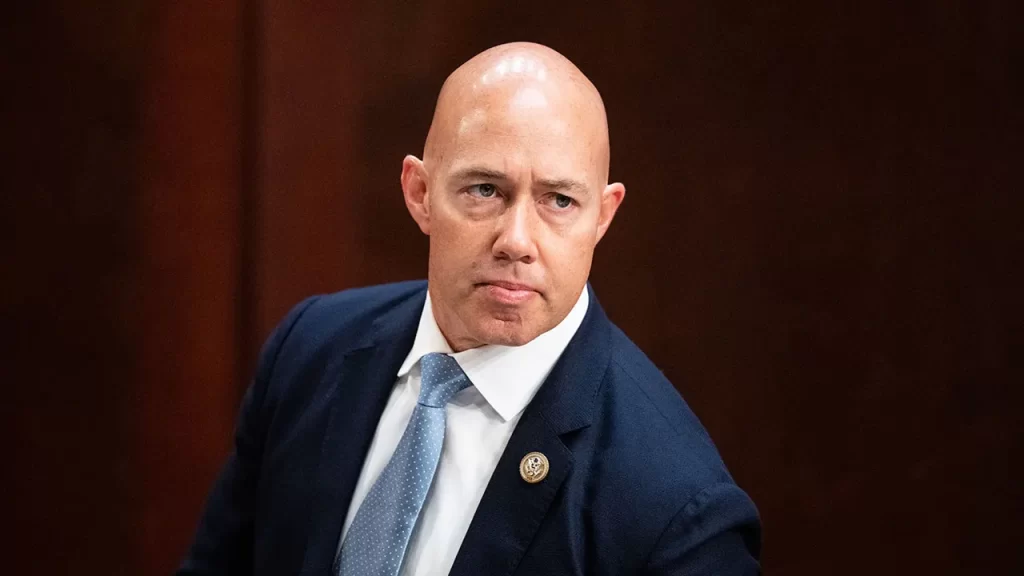

How Do You Make a Map More Gay? Rep. Brian Mast Grills State Dept.
Introduction
In the ever-evolving landscape of U.S. politics, few moments stand out like Rep. Brian Mast’s pointed inquiries during a recent State Department hearing. His question, “How do you make a map more gay?” has sparked discussions across various platforms, raising questions about the implications of such a query. Let’s unpack this political moment and its broader implications on LGBTQ+ representation in governmental policies and international affairs.
Understanding the Context
In 2023, Rep. Brian Mast, a Republican from Florida, took to the floor to challenge State Department officials about the inclusivity of their messaging and materials. His audacious question captured a media storm but also revealed underlying issues regarding representation and recognition of LGBTQ+ communities. The inquiry, while seemingly flippant, taps into a more profound sociopolitical conversation about visibility and inclusivity.
The Role of Maps in Political Discourse
Maps serve as powerful tools that convey information about geography, history, and culture. They are more than mere representations of space; they often reflect the values and ideologies of the societies that produce them. In this context, a “gay map” could symbolize a political stance that acknowledges and celebrates LGBTQ+ identities. This raises questions about how we represent marginalized communities and whether government entities, like the State Department, are doing enough to honor and include these narratives in their international relations.
Why Representation Matters
-
Visibility: Acknowledging LGBTQ+ individuals on maps can be seen as a step toward normalization and acceptance. This visibility can positively influence societal attitudes, leading to greater support for LGBTQ+ rights.
-
Policy Implications: Representation on maps can affect how policies are formulated. Acknowledging LGBTQ+ communities can lead to more inclusive policies that promote their welfare and rights both domestically and abroad.
-
Tourism and Cultural Exchange: For countries that openly embrace LGBTQ+ identities, promoting this aspect on maps can attract tourism and encourage cultural exchange, benefitting local economies.
The Politics of Inclusivity
Mast’s question can be dissected through various lenses to understand the political implications of inclusivity. One could argue that his inquiry may reflect a dismissive attitude towards LGBTQ+ issues. However, it also brings to light the importance of engaging politicians with challenging questions that push for accountability.
The State Department’s Approach: A Historical Overview
The State Department has made strides in recent years to support LGBTQ+ rights globally. Initiatives such as the Global Equality Fund aim to provide financial support to organizations that advocate for LGBTQ+ rights. Furthermore, various LGBTQ+ embassy events showcase the U.S.’s commitment to inclusivity.
-
Policy Changes: Under previous administrations, policies have shifted to be more inclusive, fostering international partnerships that recognize and support LGBTQ+ rights.
-
Funding Initiatives: Programs like the Bureau of Democracy, Human Rights, and Labor (DRL) have allocated funds to support LGBTQ+ advocacy groups overcoming legal hurdles in various countries.
Challenges in LGBTQ+ Representation
Despite strides toward inclusivity, challenges remain. Countries that impose severe legal penalties on LGBTQ+ individuals continue to exist, making it difficult for diplomatic entities to navigate conversations around representation without risking diplomatic relations.
Moreover, internal political conflict in the U.S. regarding LGBTQ+ issues can transcend into how such matters are handled internationally. Lawmakers like Brian Mast often oppose policies aimed at increasing representation, which can hinder progress.
Strategies for Making Maps More Inclusive
-
Integrating LGBTQ+ Symbols and Icons: Utilizing symbols that resonate with the LGBTQ+ community can create a more inclusive map. This could include rainbow icons for safe spaces or events celebrating LGBTQ+ culture.
-
Highlighting LGBTQ+ History: Maps that explore historical figures and events significant to LGBTQ+ identities can deepen cultural understanding and appreciation.
-
Community Engagement: Involvement from local LGBTQ+ organizations can ensure that map representations resonate with the communities they depict, allowing for more authentic representation.
-
Online Interactive Maps: Digital technologies offer innovative ways to create dynamic, interactive maps that allow users to explore LGBTQ+ histories, rights, and safe spaces, promoting greater engagement and understanding.
Conclusion: A Call for Inclusive Discourse
Rep. Brian Mast’s question about making maps more gay echoes a larger societal conversation about recognition and representation for marginalized groups. While his inquiry elicited laughter, the underlying issues it touches upon are significant.
As discussions around representation continue to evolve, politicians and institutions must recognize the weight of their words and the messages they convey. Maps—much like policies and dialogues—should reflect a comprehensive narrative that celebrates diversity in all its forms.
By advocating for inclusivity, we can pave the way for a future in which everyone, including the LGBTQ+ community, is recognized, valued, and supported. It’s time for a conversation that embraces inclusivity rather than ridicules it, recognizing the importance of dignity in representation.