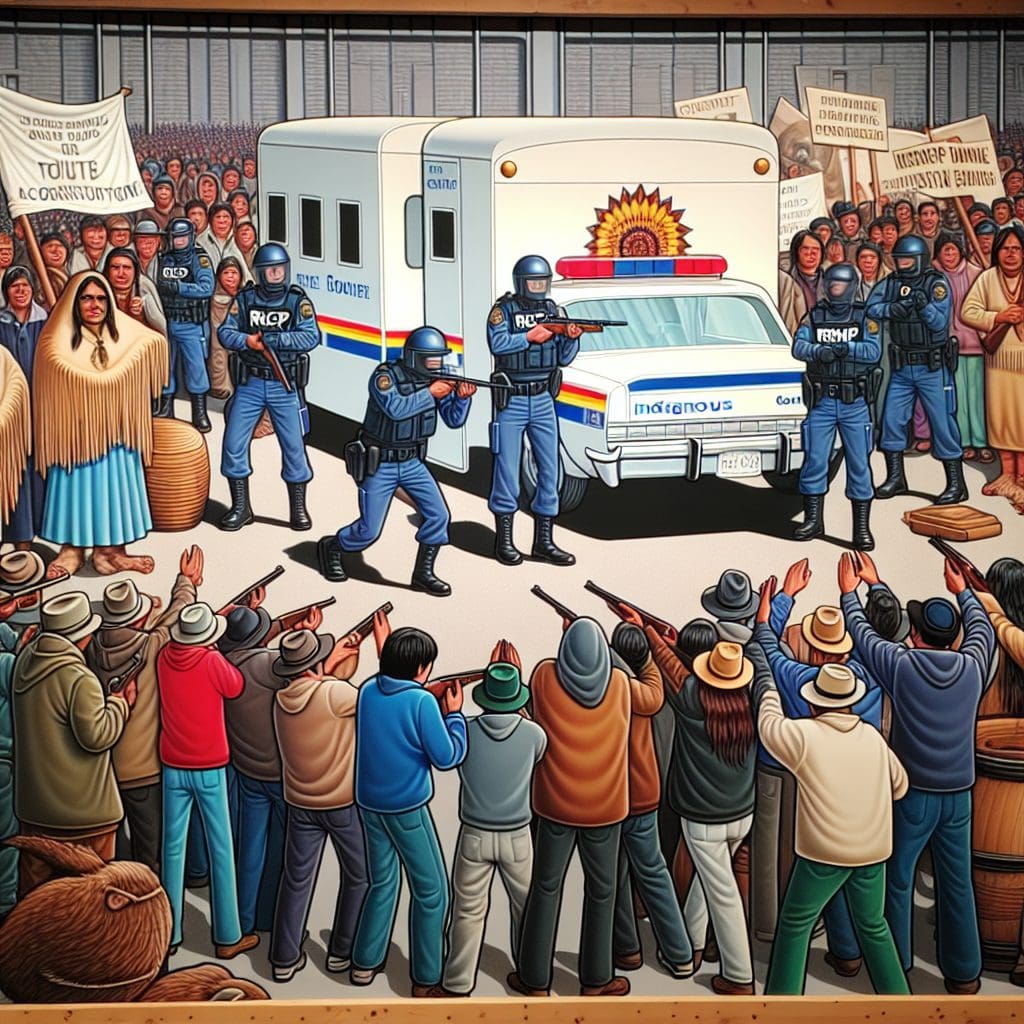

In the 1970s, the Indigenous rights movement in Canada gained significant momentum, advocating for the recognition of Aboriginal rights, land claims, and self-determination. The Royal Canadian Mounted Police (RCMP), historically tasked with maintaining law and order, found their role evolving as they began penetrating this burgeoning movement. Their involvement was characterized by an alarming blend of surveillance, infiltration, and intelligence-gathering efforts that aimed to neutralize perceived threats to public order and, by extension, the national interest.
The Indigenous rights movement emerged partly due to rising awareness and assertion of rights by Indigenous peoples, catalyzed by global decolonization movements and domestic policy changes, including the White Paper of 1969, which proposed the abolishment of the Indian Act. In response, Indigenous leaders organized protests, occupations, and gatherings, seeking to reclaim rights that had been marginalized for decades. The RCMP perceived these activities as potentially destabilizing, prompting them to monitor and infiltrate various organizations and grassroots movements.
Through their strategy, the RCMP deployed undercover agents and informants within Indigenous communities and rights organizations. They aimed to collect intelligence on key figures, strategies, and the overall dynamics of the movement. This infiltration was justified under the premise of national security but frequently resulted in the suppression of legitimate dissent. By documenting meetings and activities, the RCMP sought to preempt any actions deemed radical or threatening to the authorities.
One of the most notable incidents demonstrating RCMP involvement occurred during the 1970s Caledonia land reclamation dispute and the occupation of the Oka crisis in 1990. These confrontations led to heightened tensions between Indigenous groups and law enforcement, leading to further polarization. The tactics employed by the RCMP included misinformation campaigns and psychological operations aimed at discrediting Indigenous leaders and fracturing solidarity among various groups.
Moreover, the infiltration of the Indigenous rights movement by the RCMP highlighted broader themes of distrust, oppression, and colonial legacy. Indigenous peoples often viewed the police as extensions of historical injustices, causing a rift that persists in many forms today. The experiences of surveillance and infiltration only fueled suspicions towards governmental intentions, complicating the relationship between the state and Indigenous communities.
In conclusion, the RCMP’s penetration of the Indigenous rights movement in the 1970s not only sought to undermine the push for rights but also reflected a deep-seated anxiety about challenges to colonial systems of governance. Ultimately, these actions had lasting implications for Indigenous-state relations in Canada, shaping the trajectory of Indigenous activism and highlighting the ongoing struggles for equity and justice. The legacy of the RCMP’s surveillance continues to impact Indigenous communities, reinforcing the need for accountability and respect in police-community relations.
For more details and the full reference, visit the source link below: