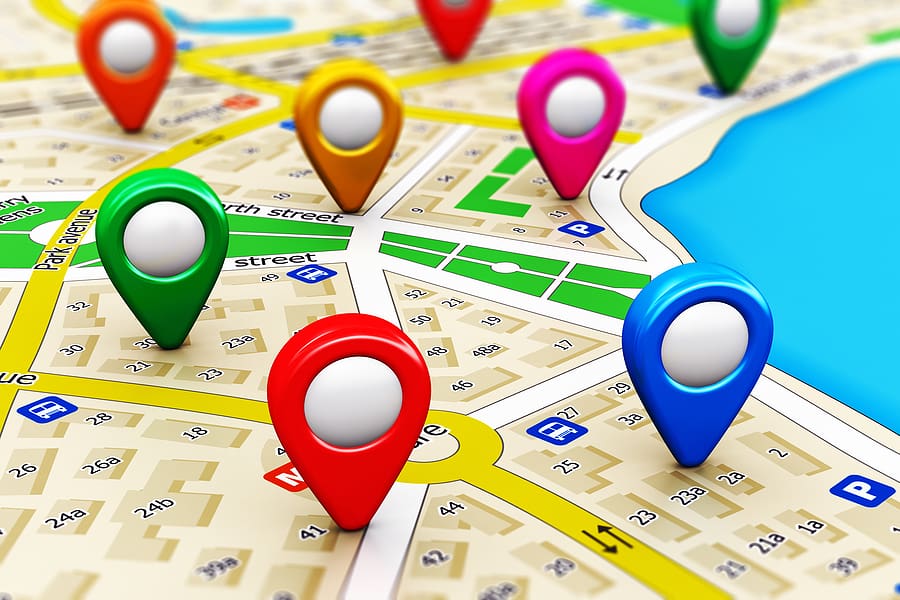

Technology has significantly transformed how we access information, particularly in the realm of location-based search results. The advent of smartphones, GPS, and sophisticated algorithms has made it easier than ever for users to find relevant information tailored to their geographic context. This enhancement has reshaped how businesses interact with customers, improved user experiences, and fostered a more connected digital landscape.
One of the most impactful advancements has been in GPS technology. Nearly all smartphones are equipped with GPS, enabling location tracking that allows apps to provide real-time search results based on a user’s current location. For instance, when someone searches for restaurants nearby, the GPS functionality lets various apps deliver accurate and timely results, including user reviews, menus, and even wait times. This immediacy and relevance can significantly influence consumer behavior, helping users make quicker and more informed decisions.
Furthermore, the integration of Artificial Intelligence (AI) and Machine Learning has refined how search engines process and present location-based results. Algorithms analyze vast amounts of data, considering factors such as user preferences, past behaviors, and geographical trends. This enables platforms to tailor search results even further, providing personalized recommendations. For example, a user frequently searching for vegan eateries will find their search results populated with relevant options that align with their dietary preferences.
Another crucial aspect is the rise of Local SEO techniques. Businesses are now more aware of the importance of appearing in local search results, prompting many to optimize their online presence. Tools like Google My Business allow businesses to manage their information, ensuring that they appear prominently in local searches. Such optimization includes updating operational hours, services offered, and customer reviews, which ultimately enhances visibility and customer engagement.
Social media platforms have also played a significant role in improving access to location-based information. Applications like Instagram and Facebook allow users to tag locations in their posts and stories, creating a vast reservoir of user-generated content tied to specific geographical areas. This not only aids businesses but also helps consumers discover new locales and experiences based on real-time information shared by their peers.
Moreover, augmented reality (AR) is emerging as a game-changer for location-based searches. AR applications can overlay digital information onto the physical world, allowing users to visualize information in their immediate environment. For example, AR navigation apps can display directions overlaid on the real world, making it effortless for users to find their destination.
In conclusion, technology is constantly evolving, improving the accessibility and relevance of location-based search results. With continued advancements in GPS, AI, local SEO, social media, and augmented reality, users can expect increasingly personalized and immediate information, enhancing their overall experience in navigating the digital landscape.
For more details and the full reference, visit the source link below: