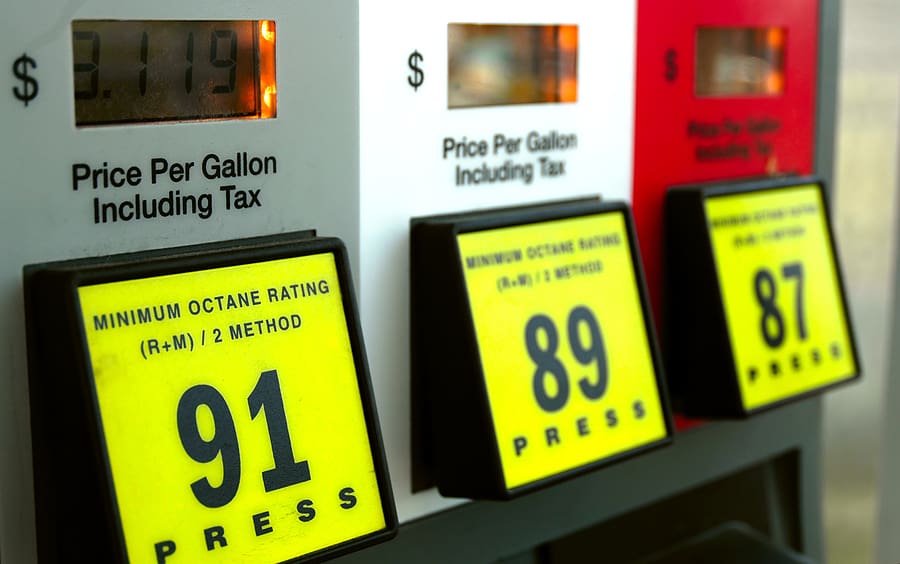

The ongoing tensions surrounding the Iran conflict have had a significant impact on global oil markets, ultimately affecting consumers who feel the pinch at the gas pumps. As one of the world’s leading oil producers, Iran’s geopolitical stability plays a crucial role in influencing oil prices. When tensions escalate—whether due to sanctions, military actions, or conflicts in the region—there is an immediate ripple effect that reverberates through international energy markets.
One of the primary reasons the Iran conflict impacts fuel prices is the sheer volume of oil that flows from the region. Iran has traditionally been a major player in the Organization of the Petroleum Exporting Countries (OPEC). Disruptions in its oil supply can lead to uncertainty, driving up prices. When investors fear that military conflict or sanctions could limit Iran’s oil exports, they often react by bidding up prices, anticipating scarcity of supply. This speculation can cause immediate price hikes at the pump as gas stations adjust prices based on these global fluctuations.
Additionally, the U.S. has implemented various sanctions against Iran in an effort to curb its nuclear ambitions and geopolitical influence. These sanctions not only target Iranian oil exports but also affect countries that do business with Iran. As a result, global oil supplies can tighten, pushing prices higher and putting further strain on consumers. In the U.S., where drivers are acutely aware of changing fuel prices, even a slight increase can have a significant cumulative effect on household budgets.
Moreover, the geopolitical landscape is not only affected by Iran but also reflects broader conflicts in the Middle East that involve other major oil-producing countries. When tensions rise, such as conflicts in Iraq, Syria, or Yemen, the overall stability of the region is jeopardized, and oil prices are susceptible to sharp increases. This creates a cycle where uncertainties compound and lead to further price spikes, causing frustration for consumers filling up their tanks.
As prices rise, the overall economy can also feel the stress of increased fuel costs. Higher gasoline prices can lead to increased transportation costs, which in turn can affect the prices of goods and services. For many individuals and families, this means choices have to be made—whether to cut back on spending, alter travel plans, or seek alternatives to gasoline-powered vehicles.
In conclusion, the complex dynamics of the Iran conflict extend well beyond political rhetoric, influencing fuel prices and impacting drivers worldwide. The connection between geopolitical tensions and everyday consumer experiences at the pump underscores the intricate relationship between international relations and personal finance. As the situation continues to evolve, consumers remain vigilant, mindful of how these global issues will affect their wallets.
For more details and the full reference, visit the source link below: