
The conflict in Yemen has become a pivotal arena for understanding the underlying tensions within the Saudi-Emirati alliance, a relationship that has faced increasing scrutiny since the war began in 2015. Initially, Saudi Arabia and the United Arab Emirates (UAE) united in their efforts to combat the Houthi movement, a group supported by Iran that had gained control of significant territory, including the capital, Sana’a. However, as the conflict dragged on, divergent objectives and strategies began to surface, exposing a fault line between the two allies.
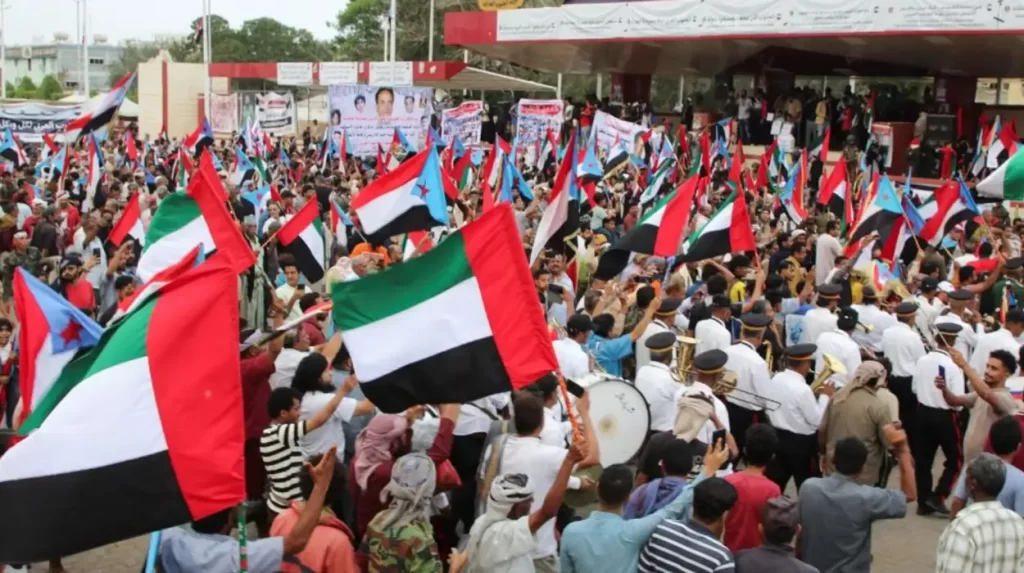
At the heart of Yemen’s suffering lies a humanitarian crisis, exacerbated by this alliance’s shortcomings. While both nations aimed to restore the internationally recognized government of President Abdrabbuh Mansur Hadi, the UAE has since shifted its focus toward achieving its own strategic interests, particularly in southern Yemen. This divergence has manifested in the UAE’s support for separatist forces, such as the Southern Transitional Council (STC), which seeks greater autonomy for the southern regions. This approach has caused friction with Saudi Arabia, which remains principally committed to Hadi’s government and a unified Yemen.
The stark contrast in military strategies further illustrates the rift. Saudi Arabia primarily employs airstrikes and ground forces to combat Houthi fighters. In contrast, the UAE has relied heavily on local militias, which has allowed it to exert influence over key areas—particularly the strategic port city of Aden. This has not only led to a complicated security landscape but has also raised concerns about the UAE’s long-term ambitions in the region, including securing maritime routes and countering Iranian influence.
The political ramifications of these differences have also been significant. Saudi Arabia, keen on maintaining its leadership role in the coalition, has sought to mediate between rival factions in the Yemeni theater. Meanwhile, the UAE has pursued a more independent course, cultivating relationships with various local actors that often contradict Saudi interests. This divergence jeopardizes the coalition’s effectiveness and may complicate future peace negotiations.
Moreover, the fault line extends beyond Yemen itself, signaling larger geopolitical implications in the Gulf region. It reveals how both nations are rethinking their roles in a post-Arab Spring Middle East. As the dynamics continue to evolve, the ramifications for regional stability, alliances, and the humanitarian crisis in Yemen remain profound.
In conclusion, the conflict in Yemen has not only deepened the humanitarian plight of its people but also unearthed underlying tensions between Saudi Arabia and the UAE. As both countries grapple with their ambitions and strategies, the Yemeni landscape continues to serve as a barometer for their evolving partnership amid a rapidly changing geopolitical environment.
For more details and the full reference, visit the source link below: