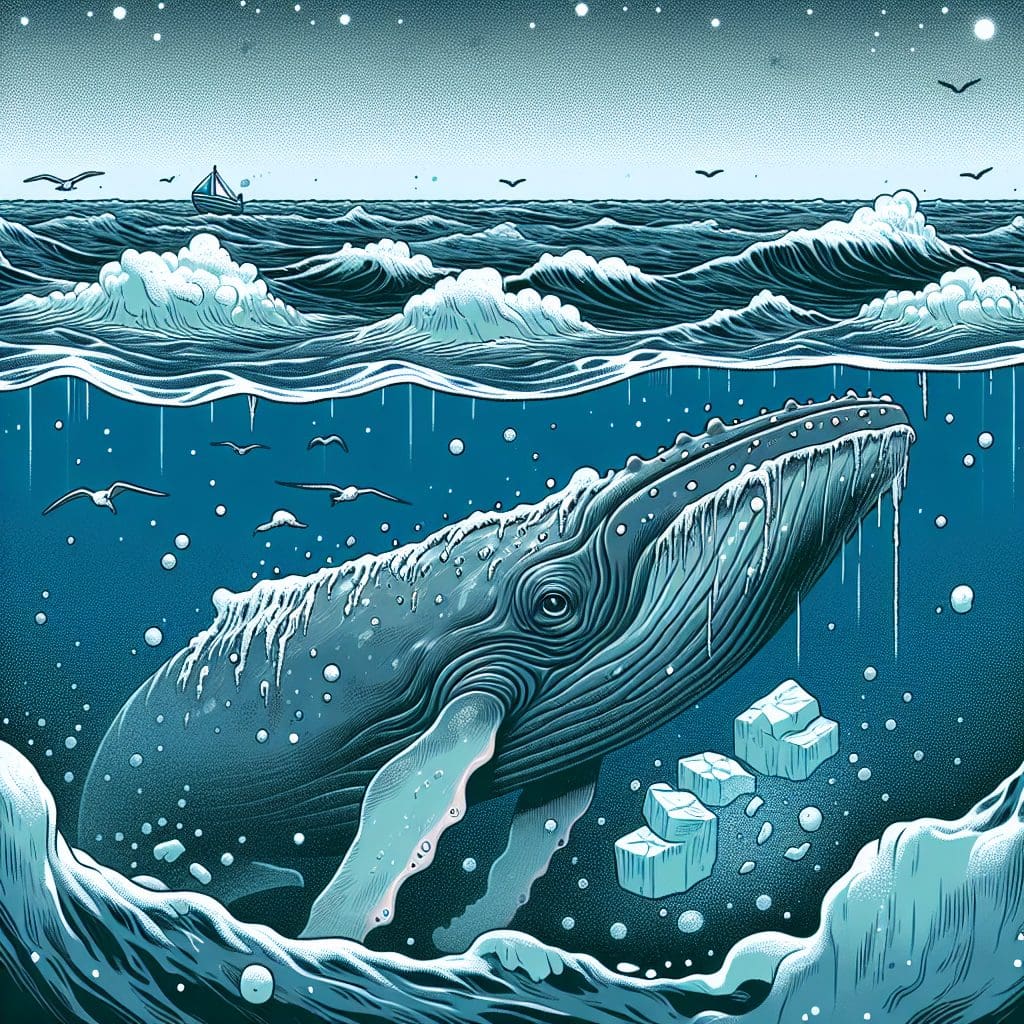

In a remarkable yet troubling development, a humpback whale, previously rescued last week in the Baltic Sea, has found itself trapped once again. Conservationists and marine biologists are closely monitoring the situation, which highlights both the majestic beauty of these colossal creatures and the challenges they face in today’s changing oceans.
The humpback whale, known for its acrobatics and complex songs, was initially spotted struggling near the Finnish coastline. Local rescue teams swiftly mobilized, employing boats and specialized equipment to guide the whale back to deeper, safer waters away from shipping lanes and shallow areas. The rescue operation garnered significant media attention, inspiring hope among wildlife advocates and the general public alike.
However, just days after its release, the same whale was reported stuck in a different location, once again in peril. This second entrapment raises serious concerns about the health of marine ecosystems and the increasing threats posed by climate change, pollution, and industrial fishing practices. The whale’s difficulty in navigating through busy waters indicates that, while rescue operations are vital, they may not address the underlying issues that are prompting such incidents.
Marine biologists suspect that disruptions in the whale’s migratory patterns—potentially caused by shifting water temperatures and food availability—are forcing these majestic animals into populated areas where they face increased risks. Additionally, the rise in maritime traffic poses significant hazards, making it more likely for whales to become entangled in fishing gear or collide with vessels.
Conservationists are advocating for more comprehensive approaches to whale protection, including stricter regulations on shipping routes and fishing practices in the Baltic Sea. They emphasize the need for awareness and education to encourage sustainable practices among coastal communities and industries that directly impact marine life.
In response to the latest incident, local rescue teams are gearing up for another attempt to free the whale. Efforts may include deploying buoys and sonar technology to locate the creature more efficiently. The situation serves as a poignant reminder of the fragile balance in marine ecosystems and the urgent need for collaboration between governments, scientists, and the public to protect these incredible animals.
The plight of this humpback whale is not just an isolated event; it reflects a broader narrative of endangered marine species worldwide. As the situation develops, it calls for a collective effort to understand and mitigate the threats facing our oceans and to ensure that these magnificent beings continue to roam our seas for generations to come.
For more details and the full reference, visit the source link below: