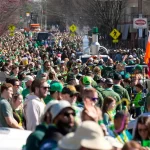

On a fateful evening at the DC Navy Yard, the tranquility of the historic waterfront area was shattered as hundreds of teenagers converged, leading to a chaotic scene marred by gunfire. This tumultuous incident, which drew attention from law enforcement and media alike, highlighted underlying issues related to youth behavior, public safety, and community responses in urban settings.
As night fell, a large group of adolescents gathered at the Navy Yard, reportedly drawn by social media and the allure of urban nightlife. What began as a seemingly harmless gathering quickly escalated into pandemonium. Witnesses described the atmosphere as electric, with excitement swirling among the crowd before it devolved into fear. Frantic shouts echoed as gunfire erupted, sending many into a state of panic.
The rapid response from law enforcement underscored the severity of the situation. Officers arrived in droves, aiming to restore order and ensure public safety amidst the chaotic scene. While some teenagers fled, others remained, caught between the frenzy and the need for answers. It was a moment that starkly illuminated the challenges faced by law enforcement in managing large gatherings of young people—a demographic often associated with vibrancy but also potential volatility.
In the aftermath, community leaders and parents expressed deep concern over the event. Questions arose regarding the factors leading to such a massive congregation of youth, particularly in an area known for its closeness to national monuments and cultural sites. Social media’s role in promoting gatherings among teenagers was scrutinized, prompting discussions about responsibility, oversight, and the influence of digital platforms on adolescent behavior.
Moreover, this incident shed light on broader societal issues, such as gun violence and the need for comprehensive preventive measures within urban communities. Advocates for youth programs emphasized the importance of identifying constructive outlets for teenagers, channeling their energy into positive activities rather than allowing incidents of chaos to perpetuate a cycle of violence and fear.
As investigations continued, the community began to grapple with the immediate aftermath and the long-term implications. Engaging local youth in meaningful dialogue became paramount, as did fostering a sense of responsibility among parents and guardians. This incident at the Navy Yard was not merely a snapshot of a chaotic moment; it was a call to action, urging society to address the complex challenges facing the younger generation. Prioritizing safety, understanding, and proactive measures could pave the way for a more harmonious community where incidents like this are relegated to the past.
For more details and the full reference, visit the source link below: