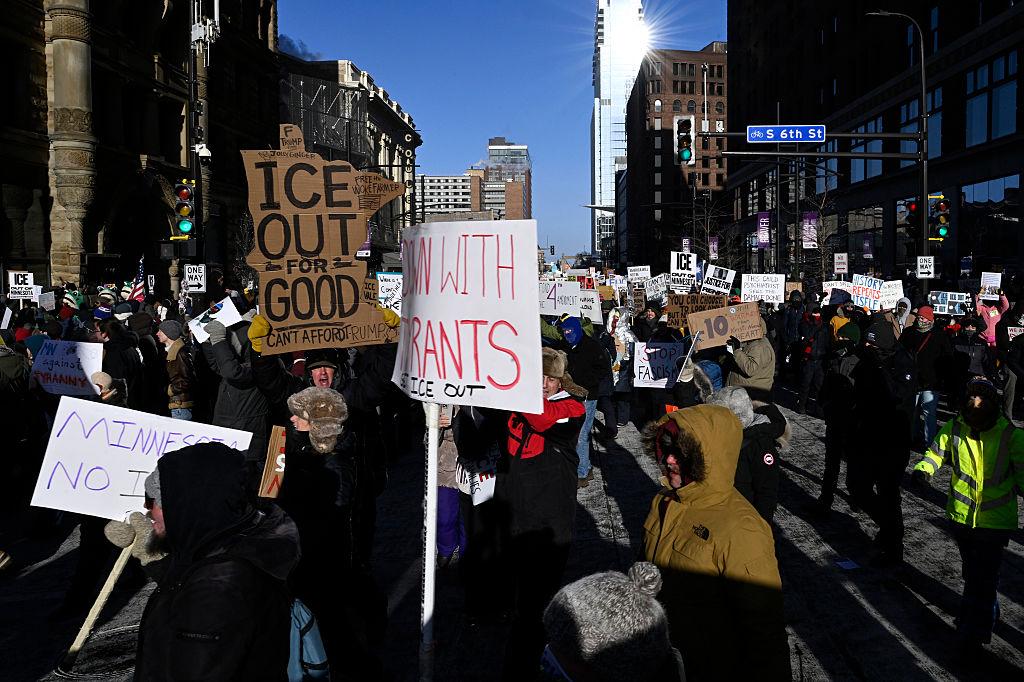

In 2026, the urgency and intensity surrounding protests against Immigration and Customs Enforcement (ICE) surged across Minneapolis and various cities throughout the United States. This resurgence arose from an escalating concern over immigration policies and enforcement actions perceived as increasingly aggressive and unjust. Activists and community members rallied, united by common goals: to demand justice and humane treatment for immigrants, and to dismantle the oppressive structures that have long disregarded their rights.
Minneapolis, a city with a rich tapestry of immigrant communities, became a focal point for these demonstrations. The protests were fueled by reports of widespread ICE raids, which disrupted neighborhoods and instilled fear among undocumented residents and their families. Stories of separation and trauma circulated within the community, compelling many to take to the streets. Activists utilized social media to amplify their messages, drawing attention to the plight of immigrants facing deportation and unjust detention.
A diverse coalition formed around these protests, including immigrant rights groups, labor unions, and local faith organizations. They organized rallies, marches, and sit-ins, often marking key locations that symbolized resistance to oppressive policies. Demonstrations grew in size and fervor, with thousands of participants chanting slogans, sharing personal narratives, and demanding an immediate halt to ICE’s practices. Minneapolitans rallied, emphasizing the importance of solidarity among all marginalized communities, framing the fight against ICE as integral to civil rights.
The protests also ignited discussions on broader issues surrounding immigration reform. Many activists advocated for pathways to citizenship and the abolition of detention centers that dehumanized individuals and families. They pointed to the need for comprehensive legislation that prioritizes human dignity and social justice over punitive measures. In community forums and public discussions, issues of systemic racism and xenophobia were laid bare, as demonstrators demanded not just policy changes but a fundamental shift in societal attitudes toward immigrants.
As the protests unfolded, they had a ripple effect across the nation. Other cities, inspired by the momentum in Minneapolis, began to host similar demonstrations. The media coverage of the protests amplified their message, leading to greater public awareness and scrutiny of ICE’s actions. Lawmakers faced mounting pressure to respond to the demands of their constituents, leading to debates over immigration policy in legislative chambers.
In essence, the 2026 ICE protests in Minneapolis and beyond marked a pivotal moment in the ongoing struggle for immigrant rights, galvanizing a broader movement aimed at reimagining the United States as a place of refuge and support for all, irrespective of their immigration status. The power of collective action was evident, as communities came together to advocate for equity and justice, setting a hopeful tone for future engagements in the fight for human rights.
For more details and the full reference, visit the source link below:
Read the complete article here: https://brusselsmorning.com/minneapolis-ice-protests-us-2026/92990/