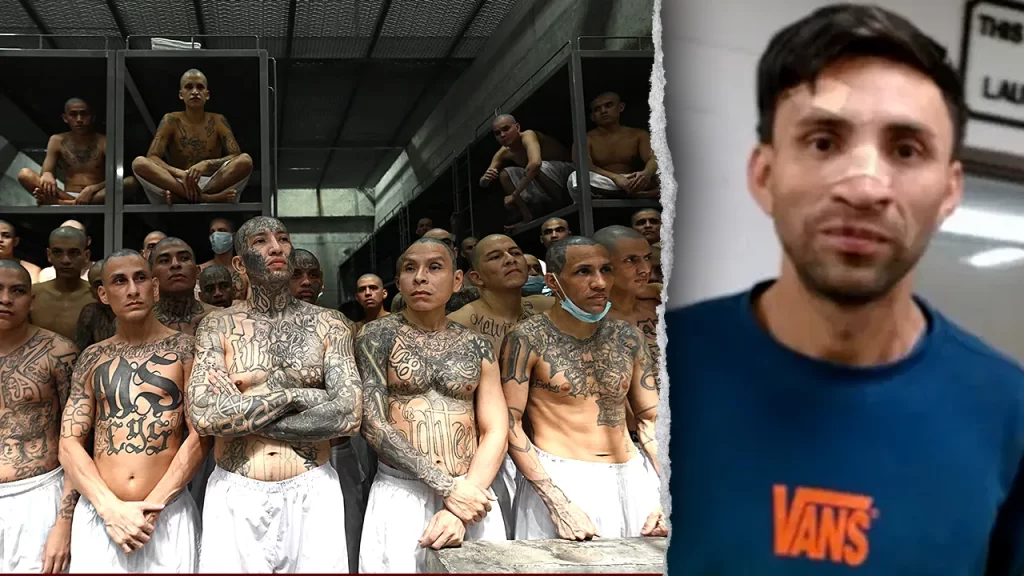

ICE Re-Arrests MS-13 Gang Member Released Under California Sanctuary Law
Introduction
The intersection of immigration policy and criminal justice has stirred significant debate in recent years, especially with the rise of sanctuary laws in states like California. Recently, a high-profile case involving an MS-13 gang member who was released due to California’s sanctuary policies drew attention to the complexities of these laws. This article explores the implications of the re-arrest by ICE (Immigration and Customs Enforcement), the background of sanctuary laws, and the broader impact on communities.
Understanding Sanctuary Laws
What are Sanctuary Laws?
Sanctuary laws are designed to limit cooperation between local law enforcement and federal immigration authorities. In California, these laws aim to create safe environments for undocumented immigrants, encouraging them to report crimes without fear of deportation. However, critics argue that such policies can protect dangerous criminals.
California’s Sanctuary Policies
California has been at the forefront of the sanctuary movement. In 2017, Governor Jerry Brown signed Senate Bill 54, known as the “California Values Act,” which significantly restricted the ability of local law enforcement to share information about a person’s immigration status with federal authorities. This legislation has sparked debates about public safety versus immigrant rights.
The MS-13 Gang and Its Threat
Overview of MS-13
The Mara Salvatrucha, or MS-13, is a notorious gang originally formed in Los Angeles by Salvadoran immigrants. Known for its extreme violence and criminal enterprises, MS-13 has spread across the United States and beyond, posing a significant threat to public safety.
Criminal Activities
MS-13 is involved in various criminal activities, including drug trafficking, extortion, and violent crimes. Their reputation for brutality, including murder and assault, raises alarms among law enforcement and communities alike.
The Case of the Re-Arrested MS-13 Member
Background of the Incident
In a recent incident, an MS-13 gang member was released from local law enforcement custody only to be re-arrested by ICE shortly thereafter. The individual had initially been detained for charges related to gang activity but, due to California’s sanctuary laws, was released without federal notification.
Details of the Re-Arrest
Following the individual’s release, ICE apprehended him as part of a targeted effort to remove criminal immigrants from the United States. This re-arrest raised questions about the effectiveness of sanctuary laws and the implications for community safety.
Implications of the Re-Arrest
Public Safety Concerns
The re-arrest of an MS-13 gang member underscores concerns over public safety in areas with strong sanctuary policies. Critics argue that these laws inadvertently provide refuge to dangerous criminals, complicating law enforcement’s ability to maintain safety and security in communities.
Legal and Political Ramifications
The incident also re-ignited debates over the legality and morality of sanctuary laws. Proponents assert that these laws are essential for protecting immigrant communities, while detractors insist that they allow dangerous individuals to go free, putting citizens at risk.
Local Community Reactions
Voices of Concern
Local community members expressed outrage over the release of the MS-13 gang member. Many fear that sanctuary laws could permit more violent offenders to evade justice. Community leaders have called for a reassessment of policies that prioritize criminal justice reform over public safety.
Support from Immigrant Advocacy Groups
Conversely, immigrant advocacy groups maintain that sanctuary laws are crucial in protecting the rights and safety of undocumented individuals. They argue that fear of deportation prevents immigrants from cooperating with law enforcement, which ultimately undermines public safety.
Legal Perspectives
Sanctuary Laws vs. Federal Authority
The clash between state-level sanctuary laws and federal immigration enforcement raises significant legal questions. Courts have often found themselves at the intersection of states’ rights and federal authority, leading to inconsistencies across the country.
Future of Sanctuary Laws in California
The future of sanctuary laws in California is uncertain. With ongoing legal challenges and varying public sentiment, policymakers are faced with the task of balancing community safety and immigrant rights.
Media Coverage and Analysis
Role of Media in Shaping Public Perception
Media coverage plays a critical role in shaping public opinion about sanctuary laws and immigration policy. High-profile cases like the re-arrest of an MS-13 gang member receive significant attention, often framing the narrative around fear and safety.
Fact vs. Opinion
While many articles highlight the dangers posed by criminals released under sanctuary laws, it’s essential for media outlets to provide context. Understanding the complete picture—both the risks of gang violence and the realities faced by immigrant communities—is crucial for informed public discourse.
Conclusion
The re-arrest of an MS-13 gang member released under California sanctuary law illustrates the ongoing tension between immigration policy and public safety. This incident serves as a snapshot of the complex issues surrounding sanctuary laws, underscoring the need for continued dialogue and potential policy reform. As communities grapple with these challenges, finding a balance between protecting vulnerable populations and ensuring public safety will remain a contentious but necessary pursuit.
Call to Action
As discussions around sanctuary laws and public safety continue, it is essential for community members and policymakers alike to engage in informed and respectful discourse. By educating ourselves about the implications of such laws, we can contribute to developing solutions that protect both public safety and the rights of all individuals.