
The impact of geopolitical events, particularly in Afghanistan, resonates deeply across Europe, shaping not only diplomatic relations but also domestic policies and societal attitudes. The ongoing tumult in Afghanistan, especially following the Taliban’s resurgence in 2021, has sparked significant migration waves towards Europe, leading to both humanitarian and political challenges.
### Humanitarian Crisis and Migration
The humanitarian crisis in Afghanistan has prompted a surge in refugees seeking asylum in Europe. Many Afghans fear for their safety due to Taliban rule and seek better opportunities and security. Countries like Germany and the UK have established programs for Afghan refugees, but the influx has tested the limits of European asylum systems. This has raised complex questions about immigration policies, integration capacity, and societal acceptance within host countries.
### Political Implications
The migration crisis has had immediate political consequences in Europe. As governments attempt to address the influx, public sentiment has varied widely. While many citizens express compassion and support for refugees, there is also a significant pushback against immigration, fueled by concerns over national security and economic strain. Far-right political movements have capitalized on these concerns, arguing for stricter immigration policies and sometimes exploiting fears to gain popular support.
### Security Concerns
The situation in Afghanistan has further exacerbated security concerns across Europe. The fear of potential terror threats, especially from radicalized individuals exploiting the migration routes, has led to increased surveillance and security measures in many European nations. This rising anxiety has prompted calls for enhanced cooperation among EU member states in intelligence sharing and border control, fundamentally shifting how European countries approach security.
### Diplomatic Relations
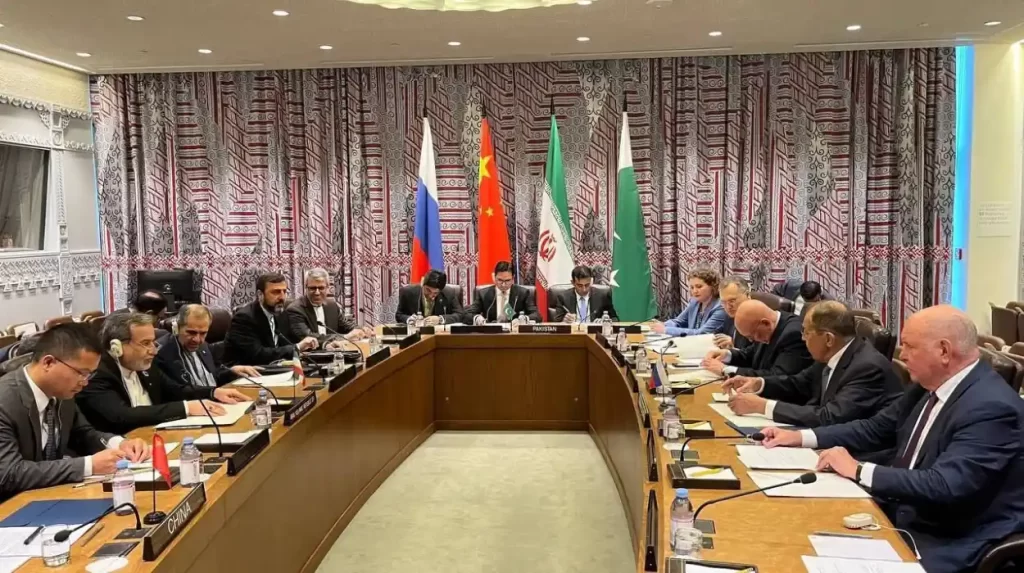
The events in Afghanistan have also reshaped diplomatic dynamics within Europe and between Europe and other global powers. Nations have found themselves reassessing their foreign policies, considering the implications of past military involvements in Afghanistan. The urgency to stabilize Afghanistan has led to discussions about potential collaborations with neighboring countries, such as Pakistan and Iran, while also engaging with the Taliban in a limited capacity to ensure regional stability.
### Conclusion
The ramifications of Afghanistan’s situation are multifaceted, influencing migration patterns, security policies, and diplomatic relations across Europe. As European nations navigate these challenges, they must balance humanitarian obligations with national interests, fostering a complex discourse that will likely evolve in the coming years. The continuous impact of Afghanistan on Europe emphasizes the interconnected nature of global politics and the moral imperatives that come with it. As the global community watches closely, the decisions made today will shape the future trajectory of both regions involved.
For more details and the full reference, visit the source link below: