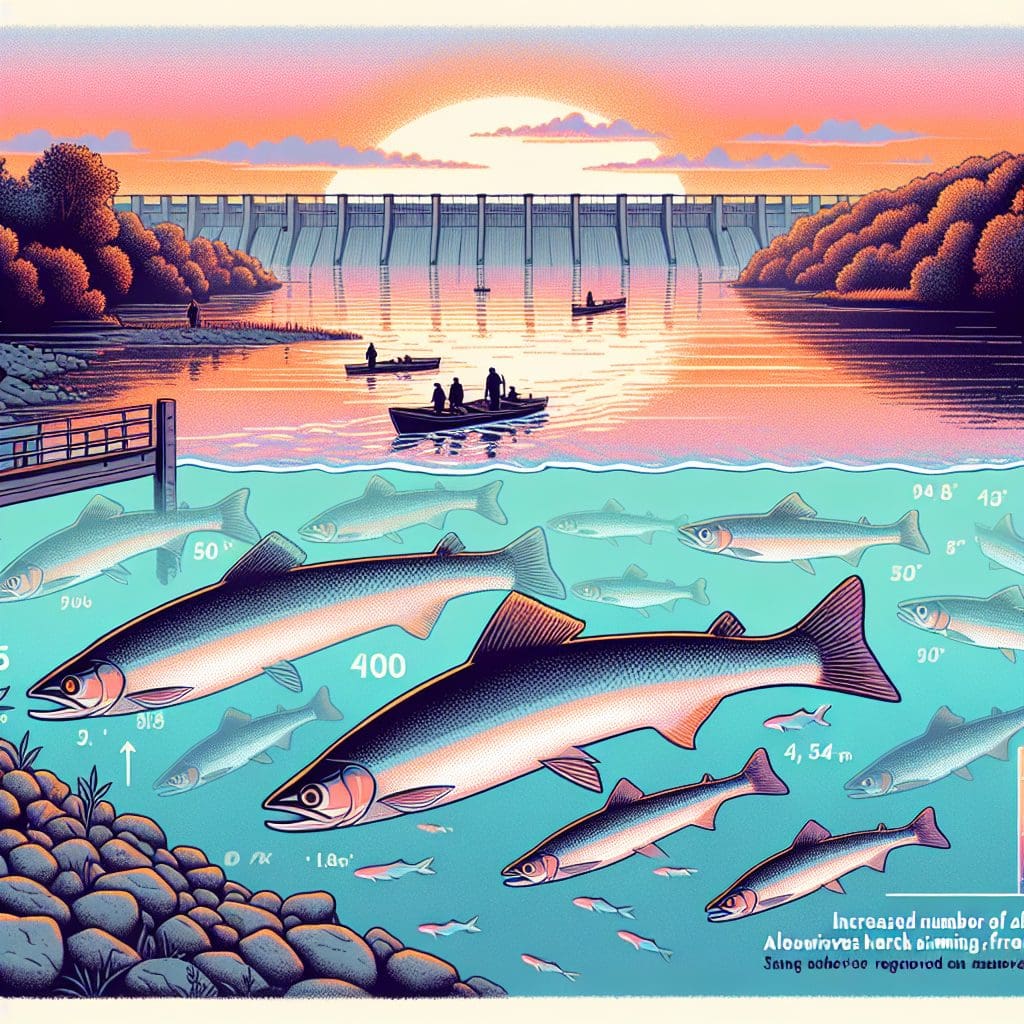

The recent report highlighting the resurgence of alewives and blueback herring in the St. Croix River following dam removal marks a significant ecological milestone. For decades, these migratory fish species faced significant challenges due to habitat fragmentation caused by dams. Their populations dwindled as they struggled to navigate barriers that restricted their access to spawning habitats.
Dam removal has become a pivotal strategy in river restoration efforts, aimed at reinstating natural ecosystems and promoting biodiversity. The removal of such structures on the St. Croix River has unveiled a flourishing aquatic environment conducive to the revival of these species. Alewives and blueback herring, both crucial components of the river’s ecosystem, have begun returning to their traditional spawning grounds, signaling a positive shift in the river’s ecological health.
A significant aspect of this recovery is the role these fish play within the food web. Alewives are a vital source of nourishment for a variety of predator species, including larger fish and birds. As their populations rise, we can anticipate a corresponding increase in these predator species, contributing to a healthier and more balanced ecosystem. The return of alewives and blueback herring also signifies improved water quality and habitat conditions in the St. Croix River, which is increasingly becoming an attractive site for wildlife.
The benefits of dam removal extend beyond just the fish populations. The St. Croix River, now with more unobstructed flow, has improved sediment transport, which is crucial for maintaining the natural riverbed and promoting diverse aquatic habitats. Riparian areas, or the zones adjacent to the river, are also thriving as a result. Increased vegetation along the riverbanks stabilizes the soil, provides habitat for terrestrial species, and contributes to enhanced water quality through natural filtration processes.
Community involvement and public awareness have been integral to the success of this restoration project. Local organizations, environmental advocates, and governmental agencies worked collaboratively to ensure that the dam removal was carried out with a focus on ecological restoration and community integration. This teamwork not only strengthens the relationship between humans and nature but also fosters a sense of stewardship within local communities.
Overall, the increased numbers of alewives and blueback herring in the St. Croix River signify a remarkable comeback for these fish species and a testament to the ecological benefits of dam removal. This success story serves as an encouraging example for other regions facing similar challenges, showcasing the potential for restoration efforts to revitalize ecosystems and foster resilience in aquatic environments.
For more details and the full reference, visit the source link below: