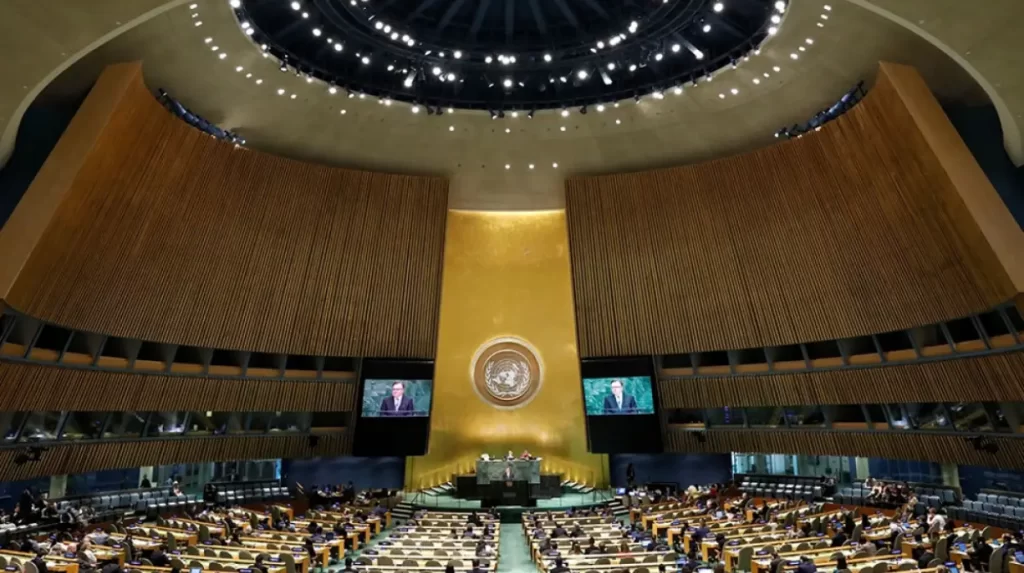

Indigenous Diplomacy Enters a New Era
In recent decades, Indigenous diplomacy has emerged as a significant and influential force in international relations, marking a pivotal shift in how Indigenous peoples engage with state actors and global governance frameworks. Traditionally marginalized in political discourse and decision-making processes, Indigenous communities worldwide are increasingly asserting their rights and sovereignty through diplomatic channels, fostering a new era of engagement characterized by self-determination and resilience.
One of the defining features of this new era is the recognition of Indigenous rights as enshrined in important instruments such as the United Nations Declaration on the Rights of Indigenous Peoples (UNDRIP), adopted in 2007. This landmark document underscores the rights of Indigenous peoples to maintain and strengthen their distinct political, legal, and economic systems. It has catalyzed a global movement where Indigenous voices are no longer mere observers but active participants in shaping policies that directly affect their lives and lands.
Moreover, Indigenous diplomacy is increasingly characterized by collaborative approaches that engage multiple stakeholders. Indigenous leaders are forming alliances with environmental organizations, human rights advocates, and academic institutions to amplify their voices on critical issues like climate change, resource extraction, and cultural preservation. These partnerships highlight the interconnectedness of social justice and environmental stewardship, framing Indigenous rights not only as issues of cultural heritage but also as essential components of global sustainability.
Technological advancements have further enabled Indigenous diplomacy to thrive. Social media platforms and digital tools allow for widespread dissemination of Indigenous perspectives and experiences, helping to combat stereotypes and educate the public about the challenges facing Indigenous communities. Virtual diplomacy, especially during the COVID-19 pandemic, demonstrated how Indigenous leaders could engage with global audiences without the constraints of geographical barriers, fostering greater global solidarity.
Additionally, Indigenous youth are becoming increasingly involved in diplomatic efforts, bringing fresh perspectives and innovative approaches to age-old issues. This generational shift infuses Indigenous diplomacy with new energy and urgency, ensuring that Indigenous voices are not only present in current discussions but also influential in shaping future policies and strategies.
However, the journey toward equitable engagement in diplomacy is fraught with challenges. Systemic inequalities, historical injustices, and ongoing discrimination continue to hinder the full realization of Indigenous rights. It is imperative that Indigenous communities remain vigilant and organized to navigate these obstacles, demanding accountability from state actors and international organizations.
In summary, Indigenous diplomacy has entered a dynamic and transformative phase, where recognition of rights, collaboration across sectors, technological engagement, and youth involvement are reshaping the landscape. As Indigenous peoples continue to assert their sovereignty and advocate for their interests, this new era promises not only to honor their past but also to forge a more equitable future for generations to come.
For more details and the full reference, visit the source link below: