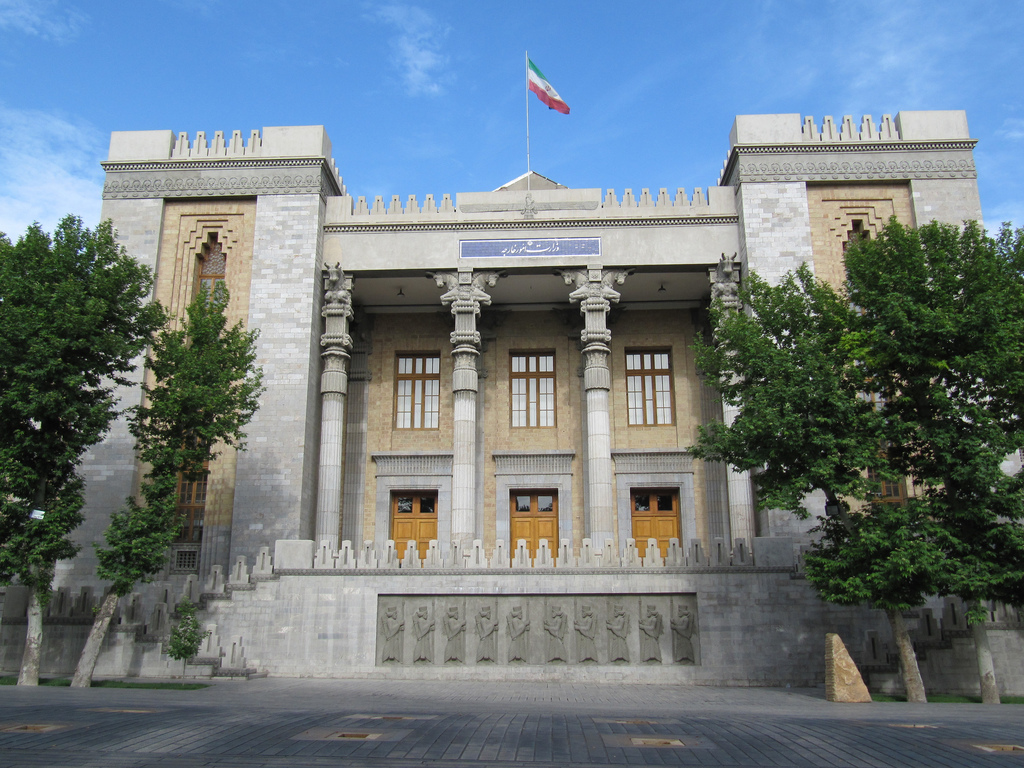

Iran’s Foreign Ministry has recently issued a statement reflecting the country’s growing concerns regarding the ongoing conflict in Ukraine. This development underscores Iran’s deepening engagement in global geopolitical issues, particularly as it seeks to navigate its own complex relationships with both the West and Russia.
In the statement, the Iranian Foreign Ministry expressed its apprehension about the humanitarian impact of the war, emphasizing the need for dialogue and diplomatic solutions. Iran has positioned itself as a proponent of peace, advocating for negotiations to end hostilities and highlighting the catastrophic toll the conflict has taken on civilian populations. This perspective aligns with Iran’s broader foreign policy strategy, which often involves calling for multilateral discussions in international crises.
Moreover, Iran’s statement is notable in the context of its evolving ties with Russia. While Tehran and Moscow have maintained a strategic partnership, particularly in military and economic domains, concerns about the ramifications of the Ukraine conflict could lead to shifts in these relations. Iran has observed the impact of Western sanctions against Russia and how they might inadvertently affect its own economic interests. As Iran continues to face harsh sanctions from the U.S. and its allies, any instability within its partner’s economy could pose risks to Tehran’s plans.
The Ministry also pointed to the significance of maintaining regional stability, indicating that any escalation from the Ukraine conflict could spill over into neighboring regions, including the Middle East. Iran’s experience in the Syrian conflict has made it acutely aware of the complexities involved when major powers engage in military actions and the potential for these conflicts to reshape regional dynamics.
Additionally, the Iranian government is mindful of its internal discourse on foreign policy. By voicing concerns about Ukraine, the government aims to connect with audiences both at home and abroad. Highlighting humanitarian issues allows Iran to project a moderate image, contrasting with perceptions shaped by its nuclear pursuits and tense relations with the West.
As the conflict in Ukraine continues to unfold, the implications for Iran’s foreign policy will likely become more pronounced. The Iranian leadership appears to be recalibrating its diplomatic stance in light of these developments, possibly seeking opportunities to mediate and enhance its role on the international stage.
In summary, Iran’s Foreign Ministry statement reflects a multifaceted approach to the Ukraine crisis, highlighting humanitarian concerns, regional stability, and the complex interplay of global alliances. As the situation evolves, Iran’s responses will be crucial in shaping its foreign policy and strategic objectives in a rapidly changing world.
For more details and the full reference, visit the source link below: