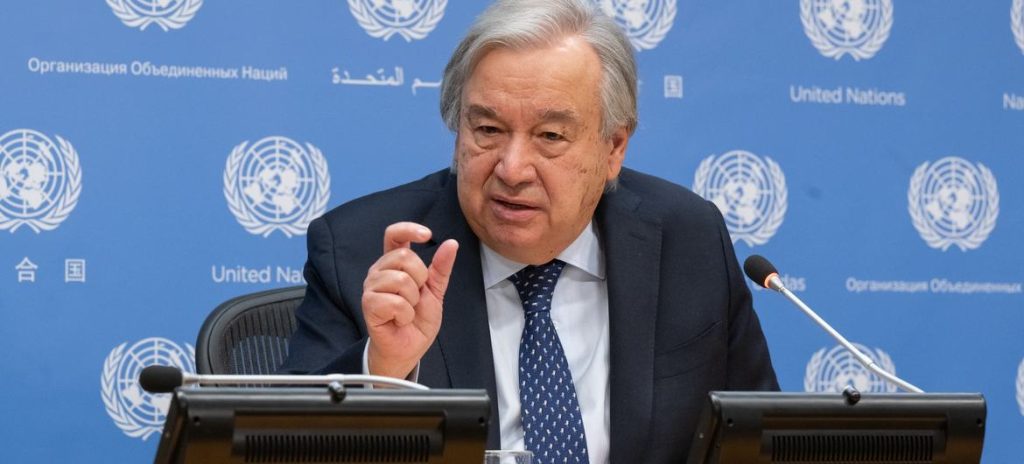

The recent report from the United Nations underscores seven critical security risks associated with Iran that are garnering attention on the global stage. As geopolitical tensions simmer, understanding these risks becomes essential for both regional stability and international relations.
First and foremost, Iran’s nuclear ambitions remain a central concern. Despite ongoing negotiations to revive the Joint Comprehensive Plan of Action (JCPOA), there is widespread skepticism about Tehran’s intentions. The potential for nuclear proliferation not only poses a direct threat to regional neighbors but also raises alarms in major global powers, particularly as tensions in the Middle East remain high.
Secondly, Iran’s support for proxy groups across the Middle East amplifies the risks. Organizations such as Hezbollah in Lebanon and various militias in Iraq act as extensions of Iranian influence, often undermining national governments and exacerbating sectarian divides. This network of proxies can provoke instability, extend conflicts, and complicate efforts for peaceful resolutions within the region.
Cybersecurity is another pressing issue. Iran has been implicated in numerous cyberattacks targeting both regional adversaries and international actors. These incidents range from espionage to attacks on critical infrastructure, posing significant risks to national security and economic stability worldwide.
Moreover, the situation surrounding human rights in Iran further complicates its global standing. The government’s crackdown on dissent and civil liberties has garnered international condemnation. These human rights abuses not only affect domestic policy but also influence how the international community perceives and interacts with Iran, potentially complicating diplomatic efforts.
The economic implications of sanctions also merit attention. The ongoing and often evolving sanctions regime has had profound impacts on Iran’s economy, escalating social unrest and leading to public discontent. This economic instability can drive Iran to adopt more aggressive foreign policy measures, further contributing to regional and global insecurity.
Terrorism remains a critical risk associated with Iran, not just in terms of its support for extremist groups but also in the possibility of radicalization at home. The potential for home-grown terrorism tied to Iran’s policies or foreign interventions could pose a threat beyond its borders.
Lastly, the geopolitical landscape regarding Iran is further complicated by the involvement of other global powers. Nations such as Russia and China have formed partnerships with Iran, which can challenge U.S. influence in the region, leading to a reconfiguration of alignments and alliances that can affect global security.
In conclusion, the UN report’s identification of these seven critical risks related to Iran highlights the multifaceted challenges confronting global security today. Without timely and coordinated international efforts, these risks have the potential to escalate, further destabilizing both the Middle East and the broader global landscape.
For more details and the full reference, visit the source link below: