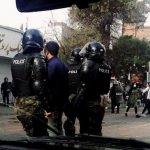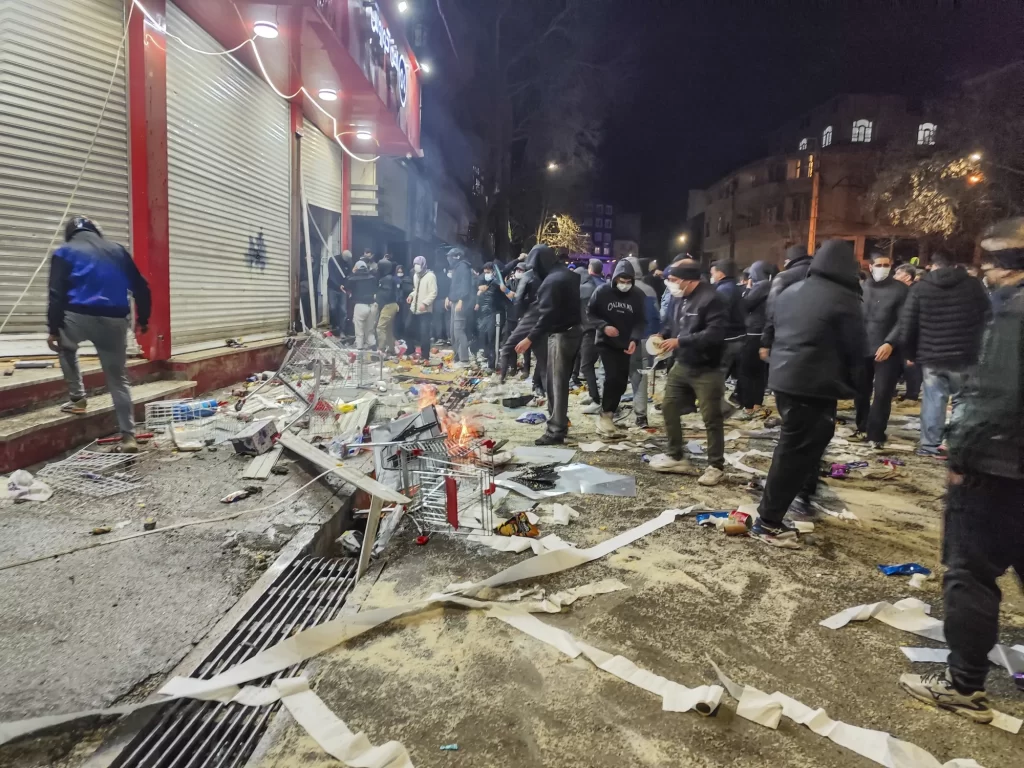

In 2026, Iran experienced one of its most severe internet blackouts amidst escalating nationwide protests, exacerbating the already volatile political climate. Initially ignited by widespread discontent over economic challenges and government repression, demonstrations quickly evolved into a broader call for freedom and reform. As citizens took to the streets demanding their rights, the Iranian government resorted to cutting off internet access to curb the spread of information and control the narrative.
The internet blackout was particularly chilling as it not only suppressed communication among protesters but also hindered the ability of journalists and human rights organizations to document the events. With social media silenced, the Iranian regime sought to stifle coordinating efforts among activists, aiming to isolate regions experiencing unrest. This tactic, while temporarily effective, only fueled anger and frustration among the population. Many Iranians viewed the blackout as a violation of their fundamental rights, further sharpening their determination to protest against an authoritarian regime.
Global reactions to the blackout were swift, as international human rights groups and foreign governments condemned the Iranian authorities for their draconian measures. The extensive use of censorship and repression only underscored the regime’s fear of public dissent. Meanwhile, activists outside of Iran launched campaigns to raise awareness about the situation, calling for solidarity with Iranian protesters. Public demonstrations were organized in various cities worldwide, emphasizing that the fight for freedom in Iran resonated far beyond its borders.
The internet shutdown also had immediate repercussions on various essential services within Iran, including banking, healthcare, and educational platforms. Citizens found themselves cut off from vital resources in a time of crisis. As rumors circulated regarding government crackdowns, misinformation spread rapidly, further complicating the situation. Iranians attempted to find alternative means of communication, resorting to satellite phones and offline messaging systems, but these methods were fraught with danger and uncertainty.
Despite the oppressive measures, the protests showed no signs of abating. Instead, they became a testament to the resilience and courage of the Iranian people, who continued to take to the streets in defiance of their government’s tactics. Solidarity among diverse groups, including women, students, and labor unions, emerged as they united for a common cause. As the world watched the struggle unfold, it became clear that the fight for freedom in Iran had reached a critical juncture.
In the backdrop of an internet blackout, the protests underscored the growing demand for change, with the people of Iran demonstrating their enduring spirit and determination to seek justice and accountability from their government, even in the face of significant adversity. The developments of 2026 will likely remain pivotal in shaping a new chapter in Iran’s ongoing quest for rights and freedoms.
For more details and the full reference, visit the source link below:
Read the complete article here: https://brusselsmorning.com/iran-internet-blackout-2026/89978/