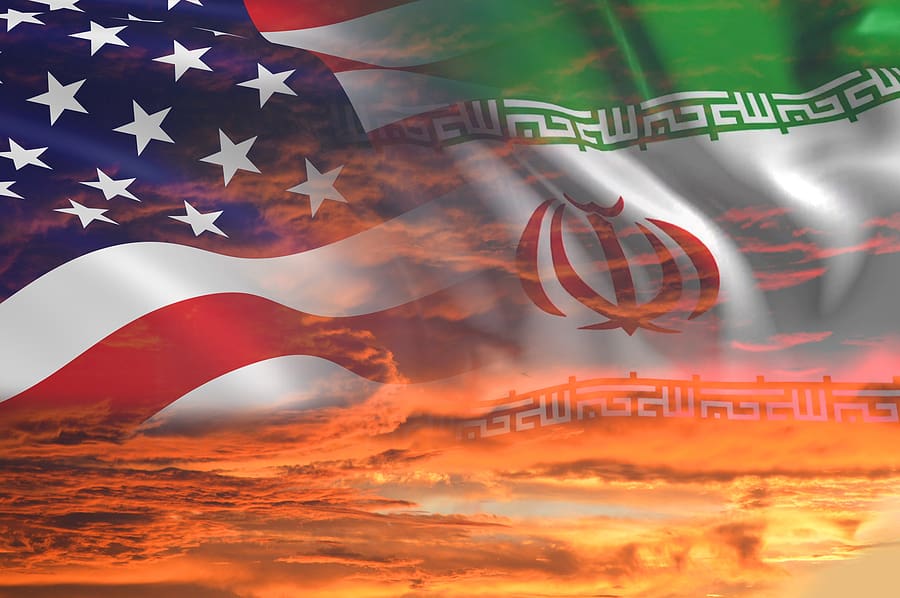

The recent claims from Iran regarding its nuclear program have triggered significant global concern, particularly affecting relations between Tehran and Western powers, especially the United States. Iran’s announcement regarding potential advancements in its nuclear technology raises alarms about its intentions and the broader implications for regional stability and global security.
Iran asserts that its nuclear program is for peaceful purposes; however, the international community remains skeptical, especially given the history of nuclear negotiations and previous agreements, such as the Joint Comprehensive Plan of Action (JCPOA) established in 2015. The Trump administration’s withdrawal from the JCPOA in 2018 exacerbated tensions, leading to a deterioration in trust between Iran and the West. As Iran enriches uranium and expands its nuclear capabilities, concerns mount that it could potentially develop nuclear weapons, altering the balance of power in a volatile region.
The U.S. response to these developments is critical. President Joe Biden’s administration has emphasized a diplomatic approach, aiming to revive the JCPOA or negotiate a new deal that would ensure Iran’s nuclear program remains peaceful. However, Iran’s recent claims complicate this diplomatic effort, stirring debates within the U.S. government and among allies about the best course of action. Some policymakers advocate for renewed sanctions, while others fear that aggressive measures could push Iran further from diplomatic engagement.
The situation is further complicated by regional dynamics; key players like Israel and Saudi Arabia view a nuclear-armed Iran as a direct threat to their national security. Israel has historically taken a strong stance against Iran’s nuclear ambitions, openly discussing military options should it deem Iran’s program an existential threat. This raises the specter of a potential military confrontation in the Middle East, which would have vast implications not just for the region but for global energy markets and security.
International bodies such as the International Atomic Energy Agency (IAEA) are monitoring the situation closely, but their ability to mitigate the crisis is limited without the cooperation of all parties involved. The U.S. and its allies must navigate a complex web of diplomacy while preparing for various scenarios, including sanctions, military posturing, and increased diplomatic efforts to engage with Iran.
In summary, Iran’s nuclear claims serve as a potent reminder of the fragility of global security. The response from the U.S. and the international community will be pivotal in shaping not only Iran’s future but also the geopolitical landscape of the Middle East and beyond. The stakes are high, and the global community watches closely as events unfold.
For more details and the full reference, visit the source link below: