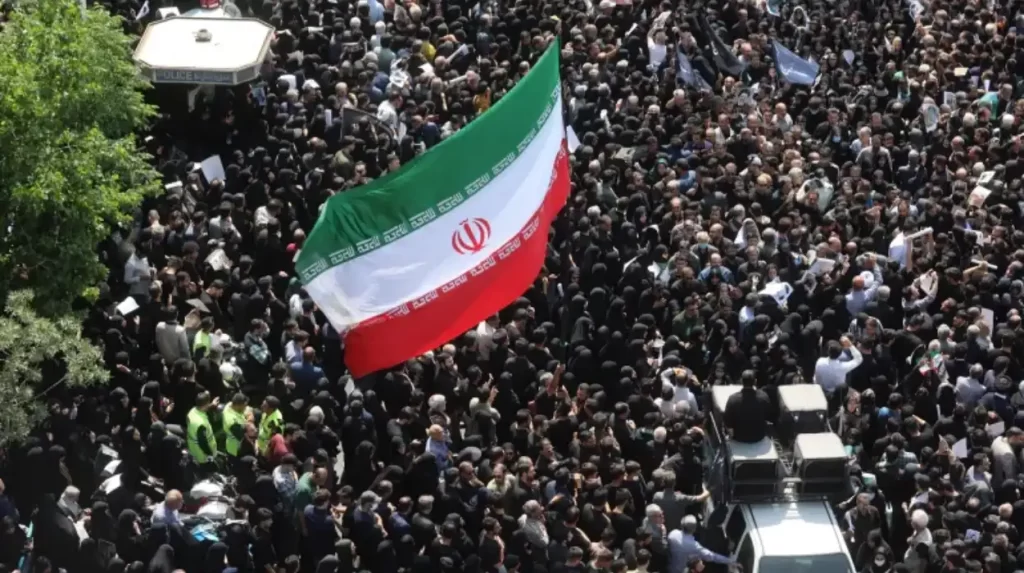

Iran has been at a historical crossroads, marked by political, social, and economic tensions, leading to a potential revolutionary influx. A structural analysis of Iran’s current situation emphasizes the interplay between governance, social dynamics, and economic policies that can ignite revolutionary fervor.
At the core of Iran’s political structure is the Islamic Republic, founded in 1979 after a popular revolution that overthrew the Western-backed monarchy of Mohammad Reza Shah Pahlavi. This regime is characterized by a dual structure of authority, wherein both elected representatives and unelected religious leaders wield significant power. The Supreme Leader, currently Ayatollah Ali Khamenei, holds substantial influence, often overshadowing elected bodies like the President and Parliament. This concentration of power in the hands of a few has resulted in widespread disaffection, particularly among youth and educated urban populations who yearn for greater democratic freedoms and political inclusion.
The social fabric of Iran is diverse, comprising various ethnic groups and religious minorities. Over recent decades, demographic shifts and increased access to education have fueled a rising middle class that is increasingly disillusioned with the current regime. Economic disparities exacerbate this discontent, striking hard against the youth who face high unemployment rates and limited opportunities. Inflation and economic mismanagement, particularly accentuated by international sanctions following Iran’s nuclear program, have added to the public’s grievances. This economic turmoil leads to frustration among citizens who feel the regime has failed to translate its revolutionary ideals into tangible improvements in their lives.
Moreover, a growing divide between the regime’s promises and the lived realities of ordinary Iranians fosters a climate of dissent. Protests, often sparked by issues like fuel prices or social freedoms, signify a population at the edge of rebellion. These movements reflect not only economic discontent but also a cultural pushback against stringent social regulations imposed by the Islamic government, particularly on women and the youth.
Additionally, the influence of social media has proliferated, granting citizens a platform to organize, share grievances, and mobilize. This digital landscape allows for rapid dissemination of dissenting voices and ideas, further energizing the push for change.
To conclude, Iran stands at a pivotal threshold, where deep-seated structural issues could catalyze revolutionary change. The interplay of authoritarian governance, social discontent, and economic hardship outlines a landscape ripe for upheaval. As historical precedents show, societal resolve, if united, can challenge even the most entrenched regimes, leading Iran towards a new chapter in its storied narrative.
For more details and the full reference, visit the source link below: