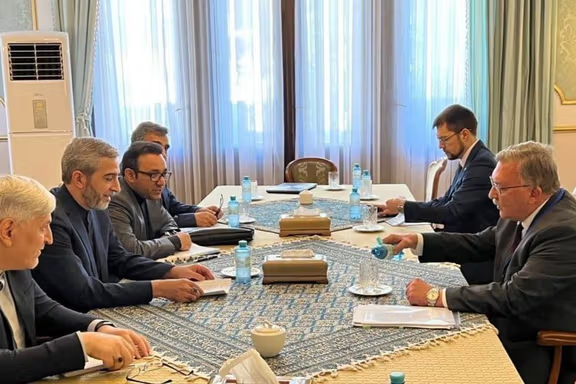

In 2026, the question of sanctions relief for Iran remains a pivotal issue shaping international diplomacy. The intricate web of geopolitical tensions surrounding Iran, particularly regarding its nuclear program, has drawn the attention of major global powers. This issue not only affects regional stability in the Middle East but also has profound implications for global energy markets and international security.
In 2015, the Joint Comprehensive Plan of Action (JCPOA) was established, offering Iran sanctions relief in exchange for limitations on its nuclear activities. However, the U.S. withdrawal from the agreement in 2018 led to the re-imposition of stringent sanctions, straining Iran’s economy and exacerbating tensions. As negotiations paused and resumed over the years, the diplomatic landscape has become increasingly complicated. By 2026, the urgency of addressing sanctions relief has escalated as both Iran and world powers grapple with the consequences of a prolonged stalemate.
The implications of these sanctions extend beyond Iran’s nuclear ambitions. Nations reliant on Iranian oil have faced increased prices and market volatility due to U.S. sanctions. China and Russia, both key players in the sanctions debate, have strengthened their ties with Iran, seeking to provide economic support while countering U.S. influence. This evolution highlights the need for a diplomatic approach that recognizes not just the nuclear issue, but Iran’s role in regional geopolitics.
In an environment fraught with mistrust, establishing a framework for negotiations on sanctions relief requires deft diplomacy. The growing urgency is underscored not only by economic pressures in Iran but also by domestic political changes that may influence Tehran’s willingness to engage. Iranian leaders face a populace demanding improved living conditions, further complicating the state’s position in negotiations. Acknowledging these internal dynamics is crucial for external negotiators aiming for a sustainable resolution.
Moreover, the implications of sanctions relief extend into addressing broader regional conflicts, such as in Syria and Yemen, where Iran’s involvement has been a contentious issue. Navigating these complex scenarios demands not only a robust understanding of the Iranian landscape but also a strategic vision that considers long-term regional implications.
In conclusion, the question of sanctions relief for Iran in 2026 is not merely a technical issue tied to nuclear limitations; it is a critical test for diplomacy in an interconnected world. Successful resolutions will require collaboration, understanding, and a willingness to adapt strategies that foster long-term peace and stability in the region. The stakes are high, and the outcome will significantly shape the future of international diplomacy.
For more details and the full reference, visit the source link below: