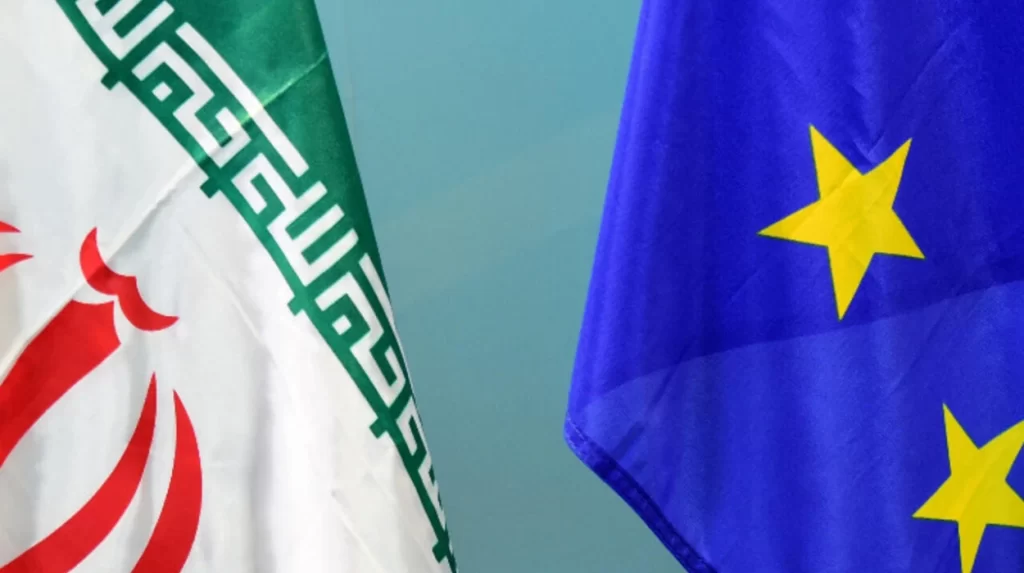

In a significant diplomatic move, Iran has summoned European Union ambassadors to express its discontent regarding their perceived interference in the country’s internal affairs, particularly concerning the recent wave of protests. This decision comes amidst escalating tensions in the Middle East, where the Iranian government seeks to assert its sovereignty and control over domestic matters.
The protests in question have erupted across various Iranian cities, fueled by a combination of social grievances, economic hardships, and political dissatisfaction. Many citizens have taken to the streets to voice their frustration over rising inflation, unemployment, and restrictions on personal freedoms. The Iranian Parliament, reflecting the state’s irritation, has criticized the West’s responses to these protests, accusing foreign nations of inciting unrest to destabilize the Iranian regime.
Iran’s leadership, particularly under President Ebrahim Raisi, has maintained a steadfast stance against foreign intervention. The government views the protests as attempts to undermine its authority, often suggesting that external actors, including those in Europe, are exploiting the situation to advance their agendas. The summoning of EU ambassadors serves as a clear message that the Iranian state will not tolerate perceived meddling and is prepared to take a firm stand against what it considers unlawful external influences.
The criticism from Iran’s Parliament highlights a broader narrative where the government seeks to unify national sentiment against foreign interference. By framing the protests as a product of foreign instigation, the Iranian leadership aims to galvanize support among the populace, portraying dissent as a threat to national integrity. This narrative is especially compelling in a nation with a long history of foreign interventions and sanctions that many Iranians believe have exacerbated their struggles.
The situation places the EU in a complex position. While European nations have expressed concern for human rights and have called for dialogue between the Iranian government and its citizens, they risk being seen as opposing forces when their actions are perceived as meddling. The EU’s potential responses must balance diplomatic engagement with a commitment to human rights without inflaming tensions or further alienating Tehran.
As protests continue and the political landscape evolves, the relationship between Iran and the EU is likely to be tested. The Iranian government’s pushback against European criticism showcases its commitment to sovereignty, while simultaneously raising questions about the effectiveness of external actors in influencing change within nations facing internal turmoil. The interplay between domestic unrest and international diplomacy will remain a focal point in understanding Iran’s future trajectory.
For more details and the full reference, visit the source link below: