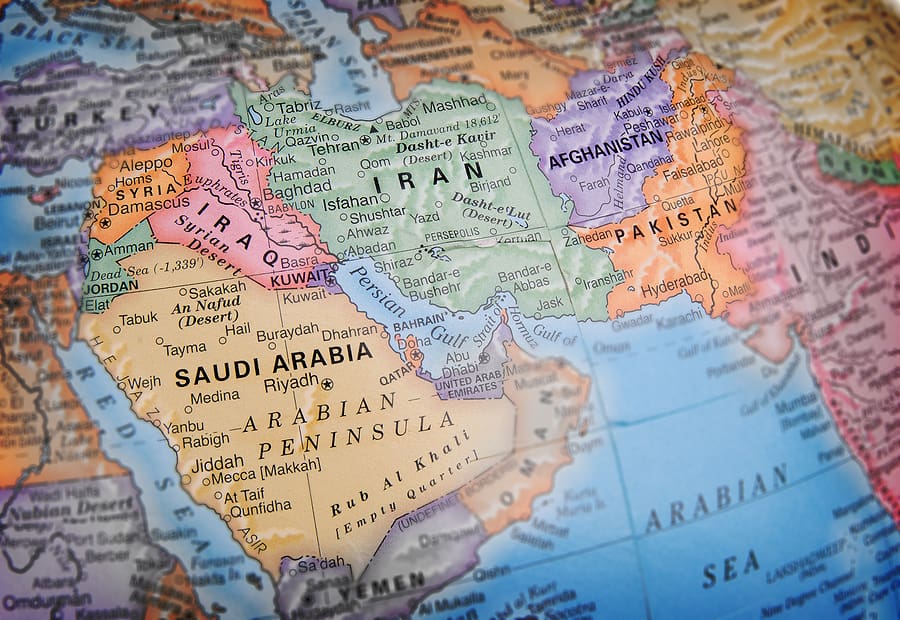

The ongoing tensions surrounding Iran have significant implications for the global economy, particularly in terms of inflation and growth rates. As geopolitical instability persists, primarily due to military confrontations and threats of war, the effects ripple beyond Iran’s borders, impacting energy prices, supply chains, and inflation rates worldwide.
Iran’s strategic position, especially in relation to the Strait of Hormuz, through which a large portion of the world’s oil is shipped, renders it pivotal in the global energy market. Periodic escalations, such as military posturing or attacks on oil infrastructure, tend to cause immediate spikes in crude oil prices. For instance, when conflicts arise, fears of a potential interruption in oil supplies can lead to speculative trading, further driving up costs. This situation compromises not only Iran’s economy but also contributes to inflationary pressures in major economies reliant on oil imports. It creates a cascading effect wherein rising fuel costs lead to increased transportation and production expenses, ultimately resulting in higher prices for consumers.
Moreover, the threat of sanctions exacerbates the economic landscape. Countries and businesses tend to hedge against the risk of investing in Iran or in businesses that conduct transactions with Iranian entities. This reluctance stifles potential growth opportunities both within Iran and for its trade partners. Such hesitancy may deter foreign direct investment and hinder economic diversification, which are vital for long-term growth. Countries neighboring Iran, like Iraq and Turkey, also face instability that can lead to economic stagnation, as they grapple with the repercussions of Iran’s isolating conflicts.
On the domestic front, the Iranian government is also under pressure to manage its economy amidst these challenges. Despite attempts to stabilize the economy through monetary policies, the constant threat of war and sanctions complicates matters, leading to uncertainty among consumers and businesses. High inflation rates can result from this instability, as citizens lose confidence in the national currency and spend quickly to avoid losses, further driving inflation.
Additionally, the psychological impact of war pressures cannot be underestimated. Market sentiments are often heavily influenced by fears regarding military conflicts. Businesses may delay investments, and consumers may curb spending in anticipation of economic downturns, creating a self-fulfilling prophecy of sluggish growth and runaway inflation.
In conclusion, the interplay of war pressures in Iran is a complex web that affects global growth and inflation. The persisting military tensions and the associated economic repercussions create challenges that extend far beyond Iran’s borders, underscoring the interconnected nature of today’s global economy. Balancing national interests while navigating these turbulent waters remains a crucial task for policymakers around the world.
For more details and the full reference, visit the source link below: