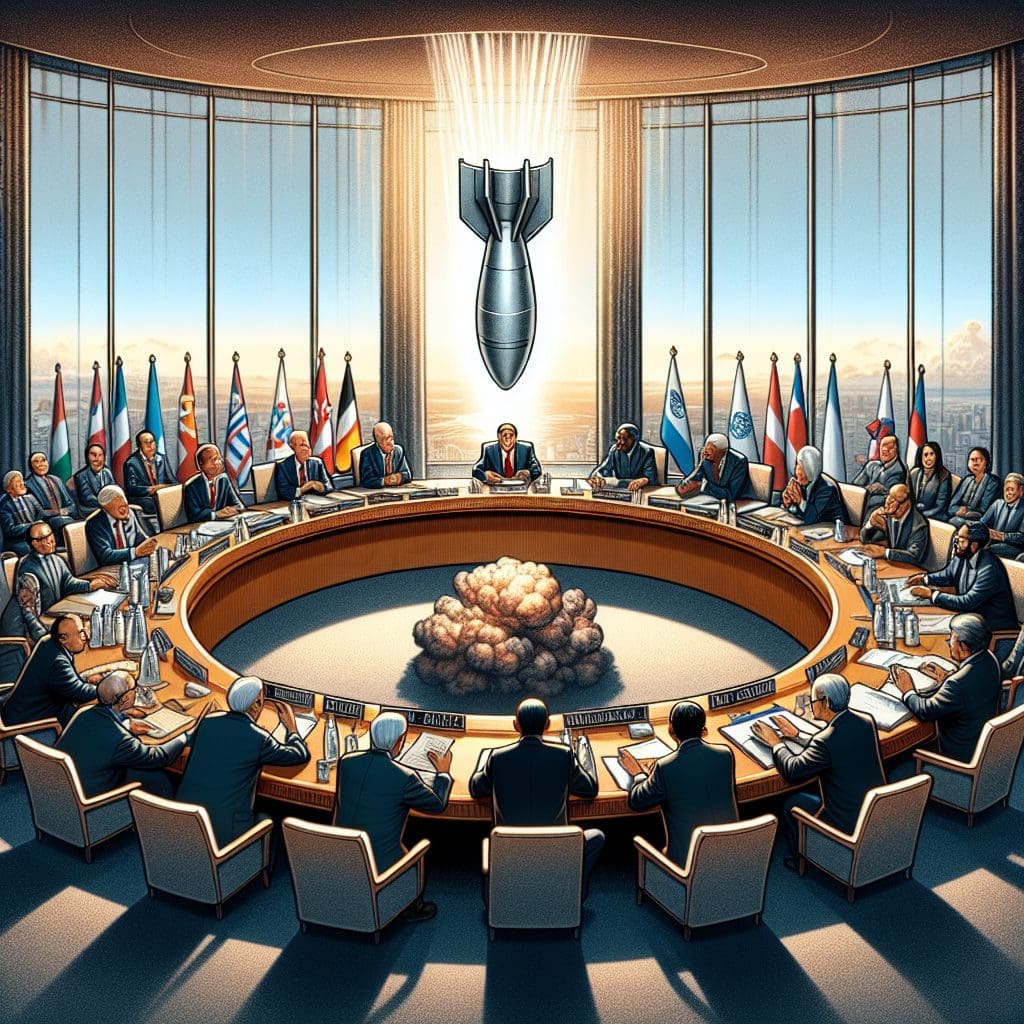

The narrative surrounding Iran’s nuclear program has been shaped by the intricate interplay of diplomacy, international relations, and the technological advancements within the country. Historically, Iran’s commitment to its nuclear ambitions has predominantly stemmed from diplomatic engagements, as opposed to sheer technological prowess. The early phases of its nuclear initiative witnessed a series of negotiations and agreements, aimed at ensuring that its nuclear activities remained peaceful under the auspices of the International Atomic Energy Agency (IAEA).
Following the 1979 Islamic Revolution, Iran’s nuclear ambitions shifted dramatically. The country sought to assert itself regionally and globally, positioning its nuclear program as a symbol of technological progress and national pride. However, the key to Iran’s nuclear limitations during this period was diplomacy—most notably exemplified by the Joint Comprehensive Plan of Action (JCPOA) of 2015. This landmark agreement, reached between Iran and the P5+1 countries (the United States, the United Kingdom, France, Russia, China, and Germany), sought to impose constraints on Iran’s nuclear activities in exchange for the lifting of economic sanctions. The diplomatic efforts surrounding the JCPOA illustrated the effectiveness of dialogue in addressing concerns over nuclear proliferation, allowing Iran to maintain some level of nuclear development while addressing the fears of the international community.
However, the situation transformed drastically in the wake of escalating tensions and subsequent military actions in the region. The failure to sustain diplomatic momentum, particularly following the United States’ withdrawal from the JCPOA in 2018, marked a pivotal point in the discourse surrounding Iran’s nuclear capabilities. As bombs began to fall—whether through military interventions by Israel or other regional actors—Iran’s strategic calculus began to shift. The perception of an existential threat compelled Iran to accelerate its nuclear pursuits, often bypassing diplomatic channels in favor of technological advancements as a form of deterrent.
This transition highlights a critical inflection point where technology and military capacity began to take precedence over diplomacy. Iran’s increasingly complex nuclear infrastructure, combined with the geopolitical pressures of a fraught regional landscape, began to overshadow the previously dominant narrative of negotiation and compromise. The urgency of national security concerns and the recognition of the potential for military conflict prompted Iran to focus on developing a robust nuclear capability, effectively sidelining diplomatic resolutions.
In summary, while Iran’s nuclear limitations were initially dictated by diplomatic negotiations, the collapse of these frameworks in the face of military actions and regional hostilities has pivoted the nation’s focus toward technological enhancement. The trajectory of Iran’s nuclear ambitions underscores the fragile balance between diplomacy and technology, with the specter of conflict reshaping its strategic objectives in profound ways.
For more details and the full reference, visit the source link below: