
Is Trump Tough on China? A Closer Look at U.S. Policy and Global Strategy
When Donald Trump ascended to the presidency in 2017, his administration adopted a markedly different approach towards China compared to his predecessors. A significant aspect of Trump’s policy was encapsulated in his assertion that he would take a tougher stance on China, aimed at addressing trade imbalances, intellectual property theft, and the broader challenge posed by China’s rising global influence.
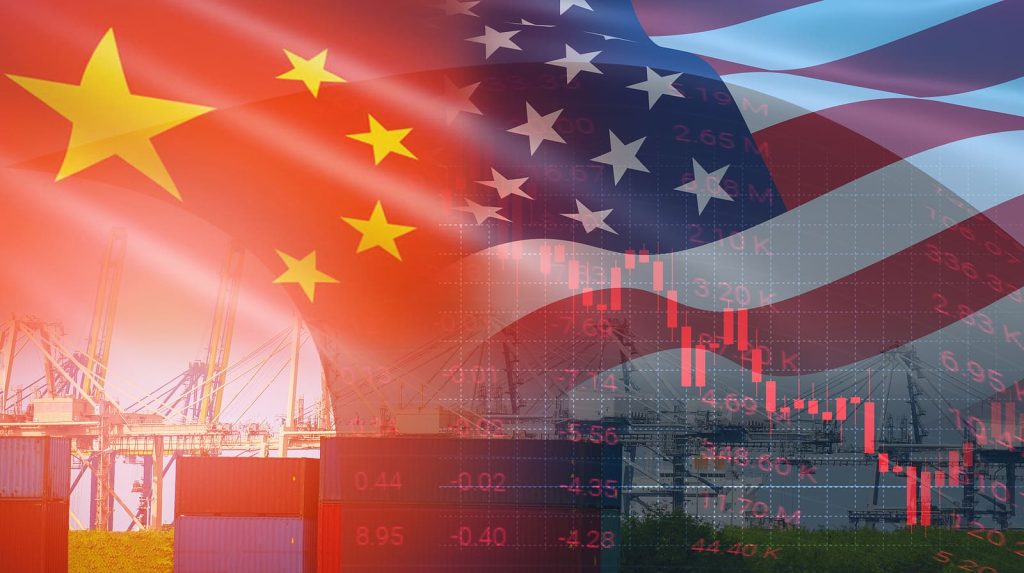
One of the most immediate manifestations of this tough approach was the initiation of a trade war. The Trump administration imposed tariffs on hundreds of billions of dollars’ worth of Chinese goods, citing unfair trade practices and the need to protect American jobs. This action was part of a broader strategy that sought to pressure China into altering its trade behavior and intellectual property policies. The tariffs were designed not only to generate revenue for the United States but also to shift the balance of trade more favorably for American industries.
Moreover, the Trump administration sought to rally international allies against China. By framing China as a strategic competitor rather than just a trade partner, Trump aimed to unite countries around shared concerns about China’s influence in global affairs, including issues of security and trade. For instance, the administration bolstered relations with countries in the Asia-Pacific region, such as Japan and Australia, which face their own challenges from China’s assertiveness.
However, while Trump’s tactics may have been perceived as tough, they also faced criticism. Many experts argued that the approach lacked a comprehensive strategy to deal with China, often focusing too heavily on tariffs without addressing underlying systemic issues. Furthermore, the trade war led to complications in global supply chains and increased costs for American consumers. Critics contended that the tactics could provoke retaliation from China, leading to an escalation that benefitted neither nation.
Additionally, while Trump’s hardline stance sought to contain China’s rise, aspects of U.S. policy continued in a more traditional bipartisan manner. Engagement through dialogues on climate change and global health, for example, was still deemed necessary despite tensions. This illustrates the complexity of U.S.-China relations, where competition and cooperation often coexist.
In conclusion, Trump’s policies towards China were unmistakably tougher than previous administrations, marked by aggressive tariffs and efforts to unite allies against perceived threats. However, the effectiveness and sustainability of this approach remain hotly debated. The long-term consequences of these policies will continue to shape U.S.-China relations and require careful consideration in the years to come. Balancing competition with cooperation remains a delicate endeavor for any administration faced with the realities of a rising Chinese influence on the world stage.
For more details and the full reference, visit the source link below: