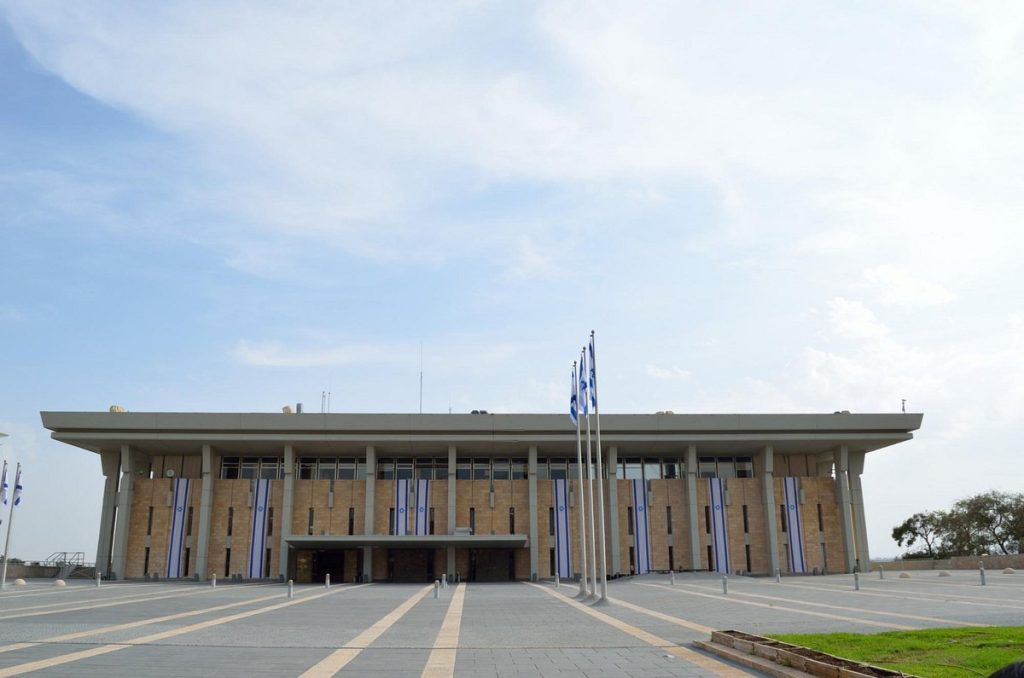

The Israeli elections of 2026 are poised to be a critical test for the country’s democracy, reflecting the growing ideological divides and pressing socio-political challenges faced by the nation. As Israel approaches these elections, the implications for its democratic framework are more significant than ever.
The political landscape in Israel has become increasingly polarized in recent years, with issues such as security, social justice, and ethnic divisions taking center stage. The rise of right-wing populism has transformed traditional political alliances, leading to a fragmentation of parties and complicating the electoral process. This fragmentation raises questions about governance and the ability to form stable coalitions. In an environment ripe for discontent, the way forward hinges on how elected leaders navigate these complexities while maintaining democratic norms.
Moreover, the influence of minority groups, including Arab citizens and the ultra-Orthodox community, has grown, challenging the longstanding dominance of Jewish parties. The 2026 elections will test whether these groups can galvanize their constituencies to play a more significant role in shaping the national agenda. Their participation is not just vital for representation but also for fostering a more inclusive democracy that reflects the diverse demographic tapestry of Israel.
Another imminent challenge impacting the elections is the ongoing Israeli-Palestinian conflict. The lack of progress towards a viable peace process continues to inflame tensions and influence voter sentiment. Political candidates will need to address security concerns while advocating for human rights and potential pathways for future negotiations. Their ability to balance these often conflicting narratives will be critical in appealing to a wide electorate and reinforcing democratic principles.
The role of the judiciary in Israel’s democracy is also under scrutiny, particularly concerning recent attempts to reform or curtail the power of the courts. Proposals perceived as undermining judicial independence provoke widespread public backlash and have led to mass protests. How political parties approach judicial reform during the elections could signal their commitment to the rule of law and democratic norms, setting the tone for governance in the years to come.
In this electoral cycle, transparency, accountability, and voter engagement are paramount. The methods by which campaigns are conducted, media freedom is upheld, and public discourse is fostered will reflect the health of Israel’s democracy. As citizens prepare to head to the polls, their choices will not only decide the direction of their government but will also signify their commitment to the democratic ideals that Israel espouses. In essence, the 2026 elections are not merely a political exercise; they are a decisive moment for the future of democracy in Israel.
For more details and the full reference, visit the source link below:
Read the complete article here: https://brusselsmorning.com/israeli-elections-2026/91037/